

- By kelly
- October 28, 2025
- Logistics, Tips or Guide
Fast Customs Clearance from Shenzhen to France: Complete Import Guide
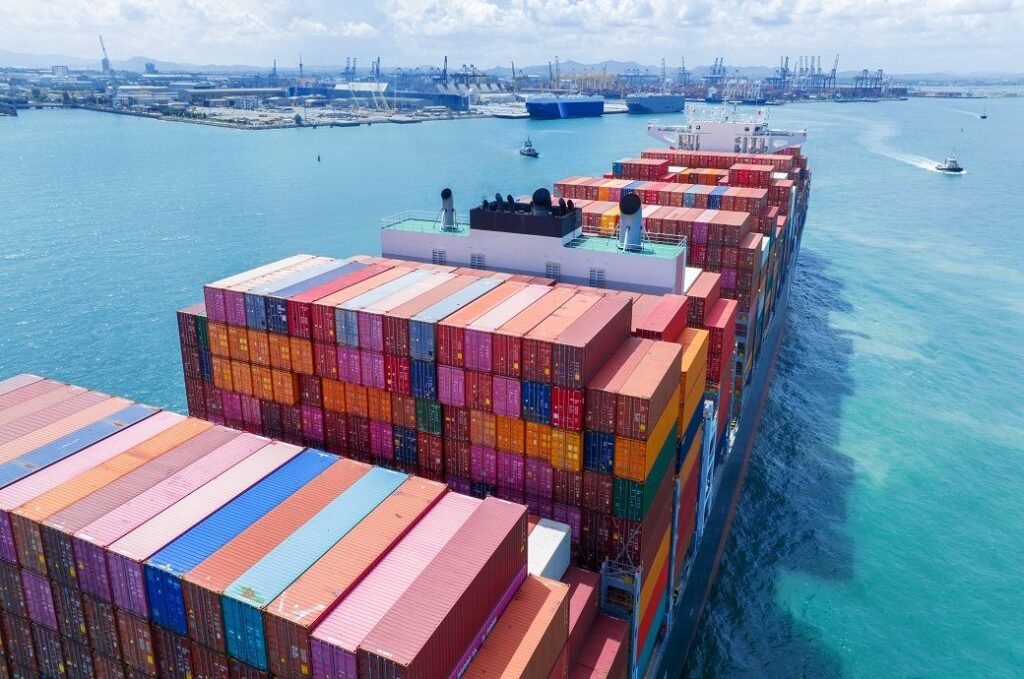
When importing goods into Europe, businesses need fast customs clearance from Shenzhen to France to avoid costly delays, missed deadlines, or extra storage fees. Customs compliance plays a decisive role in ensuring smooth cargo movement, whether you ship by sea, air, or rail. This guide explains everything from documentation and costs to timelines, transport modes, and practical tips for speeding up the clearance process.
1. Why Is Fast Customs Clearance Important for Shenzhen–France Trade?
Efficient customs clearance ensures goods move quickly from Chinese suppliers to French destinations. Delays at French ports such as Le Havre, Marseille, or Fos-sur-Mer can:
- Increase demurrage or detention costs.
- Cause missed delivery schedules.
- Disrupt supply chain reliability.
Therefore, importers handling electronics, furniture, textiles, or automotive parts benefit significantly from timely customs support.
2. How Does the Customs Clearance Process Work?
The customs process for shipments from Shenzhen to France involves:
- Pre-shipment preparation – Verify HS codes and product classification.
- Export clearance in China – Supplier files export declarations.
- International shipping – Cargo moves via sea, air, or rail.
- Import declaration in France – Broker files with French Customs (Douane).
- Duties and VAT payment – Based on product HS codes.
- Cargo release – Goods delivered to final consignee.
3. What Documents Are Required for Customs Clearance?

Accuracy and completeness of paperwork are critical for fast approval.
Customs Documents Checklist
| Document | Required | Notes |
|---|---|---|
| Commercial Invoice | Yes | Must include HS codes and declared value |
| Packing List | Yes | Itemized cargo details |
| Bill of Lading / Air Waybill | Yes | Proof of shipment |
| Certificate of Origin | Conditional | Needed for certain products |
| Import License | Conditional | Required for restricted goods |
| EUR1 or ATR certificate | Optional | For preferential tariffs |
| EORI Number | Yes | Needed by EU importers |
4. How Much Does Customs Clearance Cost?
Customs charges include brokerage fees, duties, and taxes.
Estimated Clearance Costs (France)
| Service | Cost Range |
|---|---|
| Customs Brokerage | €120–€200 per entry |
| Import VAT (20%) | Based on product value |
| Duties | 0–15% depending on HS code |
| Additional Fees | Inspection or storage charges |
5. What Are the Transit Times from Shenzhen to France?
The shipping method significantly affects delivery schedules.
Transit Time by Shipping Method
| Mode | Transit Time | Best Use Case |
|---|---|---|
| Sea Freight (FCL/LCL) | 28–35 days | High-volume shipments |
| Air Freight | 5–7 days | Urgent cargo |
| Rail Freight (via Europe) | 20–25 days | Faster than sea, cheaper than air |
6. Which Shipping Method Is Best for Fast Customs Clearance?
- Air Freight: Fastest, but expensive.
- Sea Freight (FCL): Reliable for large volumes.
- Rail Freight: Balanced option for speed and cost.
Pros and Cons: Air vs Sea vs Rail
| Mode | Pros | Cons |
|---|---|---|
| Air Freight | Fast, low storage costs | High rates, limited cargo types |
| Sea Freight | Economical, high capacity | Slower transit, port congestion |
| Rail Freight | Balanced speed and cost | Indirect routes, limited capacity |
7. What Delays Commonly Occur in Customs?
Importers may face:
- Incorrect HS codes → delays and fines.
- Missing documents → shipment held at port.
- Random inspections → extra time and fees.
- Peak season congestion → longer clearance times.
8. How to Speed Up Customs Clearance in France?
- Work with a licensed customs broker.
- Ensure pre-shipment compliance (HS codes, documents).
- Use EORI registration for faster EU entry.
- Submit documents electronically for quick filing.
- Plan shipments outside peak seasons to avoid congestion.
9. Do Duties and VAT Impact Clearance Speed?
Yes. Cargo is not released until duties and VAT are paid. France applies:
- Standard VAT rate: 20% on most goods.
- Reduced VAT rates: 5.5% for essentials.
- Customs duties: Based on EU Common Customs Tariff.
Therefore, calculating taxes in advance ensures faster clearance.
10. Should You Choose FCL or LCL for Faster Clearance?
- FCL (Full Container Load): Cleared as a single unit, faster.
- LCL (Less than Container Load): Slower due to cargo sharing.
Comparison: FCL vs LCL
| Factor | FCL | LCL |
|---|---|---|
| Customs Handling | Faster | Slower |
| Risk of Delays | Lower | Higher |
| Cost Efficiency | Best for >15 CBM | Best for <15 CBM |
📦Get a Free Quote
If your business needs fast customs clearance from Shenzhen to France, our logistics experts streamline the process with proper documentation, electronic filing, and direct coordination with French Customs. Contact us today for tailored freight solutions.
❓ Frequently Asked Questions
Q1: How much does fast customs clearance from Shenzhen to France cost?
Clearance fees range from €120 to €200 per entry, excluding duties and VAT, which vary by HS code and cargo value.
Q2: How long does customs clearance in France usually take?
If documents are accurate, clearance can be completed within 24–48 hours. Delays occur if inspections or missing data arise.
Q3: What shipping method is best for urgent customs clearance?
Air freight ensures the fastest customs clearance and delivery, typically within a week from Shenzhen to France.
Q4: Can I use rail freight for faster customs processing?
Yes. Rail freight reduces transit time compared to sea and typically allows quicker clearance at inland European terminals.
Q5: Do I need an EORI number for France imports?
Yes. All EU importers must have a valid EORI number for customs declarations, regardless of shipment size or value.
Conclusion
Efficient logistics depend on fast customs clearance from Shenzhen to France. By preparing accurate documents, working with licensed brokers, and choosing the right shipping method, importers can avoid costly delays and maintain smooth supply chains.
For companies importing electronics, furniture, or industrial products, partnering with experienced freight forwarders ensures predictable costs, timely clearance, and stress-free delivery into France’s key logistics hubs.