

Fast Door to Door Delivery from China to Germany
Securing fast door to door delivery from China to Germany is paramount for businesses in today’s global market. Delays can significantly impact production schedules and customer satisfaction, therefore reliable logistics are essential. Navigating complex international shipping requires expertise and a trusted partner, which is where China Top Freight excels. This comprehensive guide explores optimal strategies to ensure your goods arrive swiftly and efficiently.
Why Fast Door to Door Delivery from China to Germany is Crucial
In the competitive landscape of international trade, speed and reliability are key differentiators. Businesses importing from China to Germany often face tight deadlines and fluctuating market demands. Consequently, a streamlined delivery process from origin to final destination is not just a convenience but a strategic advantage.
Furthermore, fast door to door delivery minimizes transit times and reduces logistical complexities. This comprehensive service covers everything from factory pickup in China to final delivery at your German warehouse or customer’s doorstep. Moreover, it includes all necessary customs procedures and transportation legs, offering unparalleled peace of mind for importers seeking efficiency.
Ultimately, choosing an expedited door-to-door solution mitigates risks associated with multiple handovers and potential delays. It ensures predictable delivery schedules, allowing for better inventory management and improved supply chain resilience. Therefore, understanding the nuances of this service is vital for successful import operations.
Understanding Your Options for Fast Door to Door Delivery
Several shipping methods facilitate quick transit from China to Germany, each with distinct advantages. The best choice depends largely on your cargo’s characteristics, urgency, and budget. Exploring these options carefully is the first step toward optimizing your shipping strategy.
Moreover, consider the specific requirements of your goods, such as size, weight, and fragility. Different methods are better suited for varying types of cargo. Therefore, a tailored approach is often necessary for optimal outcomes.
Air Freight: Speed and Urgency
Air freight is unequivocally the fastest option for urgent shipments from China to Germany. It offers transit times as short as 3-7 days, making it ideal for high-value goods, perishable items, or time-sensitive components. However, this speed comes at a higher cost compared to other methods.
Additionally, air cargo is subject to strict weight and size limitations. While offering rapid delivery, it may not be suitable for extremely bulky or heavy consignments. Consequently, careful planning is required to balance speed with cost-effectiveness for air shipments.
Rail Freight: A Balanced Approach
For a compelling balance between speed and cost, rail freight offers an excellent alternative. The China-Europe railway express typically delivers goods to Germany within 15-20 days. This makes it significantly faster than sea freight and more economical than air freight.
Furthermore, rail transport is known for its reliability and environmental benefits. It is particularly well-suited for medium-to-large sized shipments that require a faster transit time than ocean shipping but do not demand air freight’s premium cost. Therefore, it’s a popular choice for many businesses seeking efficient delivery schedules.
Express Services: Ultimate Expediency
For small parcels and extremely time-critical documents, express services like DHL, UPS, or FedEx are unparalleled. These services often provide door-to-door delivery within 2-5 business days. This makes them perfect for samples, prototypes, or urgent spare parts.
Nevertheless, express shipping can become very expensive for larger or heavier packages. While offering maximum speed and convenience, its cost structure often limits its use to smaller, high-value, or extremely urgent items. Consequently, it’s crucial to weigh the cost against the urgency for such shipments.
Sea Freight: Cost-Effective for Bulk
While not typically ‘fast’ in the same vein as air or rail, sea freight remains the most cost-effective option for large volume shipments. Standard transit times from major Chinese ports to Germany can range from 28-35 days. This makes it suitable for non-urgent, bulk cargo. However, for door-to-door shipping from China, even sea freight can be optimized for efficiency.
Moreover, combining sea freight with efficient inland logistics in Germany can significantly reduce the overall door-to-door timeline. For example, less than container load (LCL) shipments can be consolidated and moved efficiently. Thus, despite longer ocean transit, the overall supply chain can be well-managed for cost-effective delivery.
How Do Different Shipping Methods Compare for China-Germany Routes?
Choosing the right shipping method for fast door to door delivery from China to Germany involves a careful comparison of various factors. Cost, transit time, and cargo suitability are primary considerations. The table below provides a clear overview to help you make an informed decision.
Furthermore, each method has unique limitations and ideal use cases. Understanding these differences is crucial for optimizing your logistics strategy. Therefore, evaluate your specific needs against these comparisons.
| Shipping Method | Cost Range (per kg/CBM) | Transit Time (Door-to-Door) | Best For | Limitations |
|---|---|---|---|---|
| Air Freight | $5-10/kg (Volumetric) | 3-7 Days | Urgent, High-Value, Perishables | High cost, Weight/size restrictions |
| Rail Freight | $0.5-1.5/kg (Volumetric) | 15-20 Days | Medium-Urgency, Bulk, Heavy | Less flexible routes, Not as fast as air |
| Express Service | $8-20/kg (Volumetric) | 2-5 Days | Small, Urgent Parcels/Documents | Very high cost for larger items, Weight limits |
| Sea Freight (FCL/LCL) | $0.05-0.2/kg (Volumetric) | 30-45 Days | Large Volume, Non-Urgent, Heavy | Long transit time, Port congestion risk |

Navigating Customs and Documentation for Germany Imports
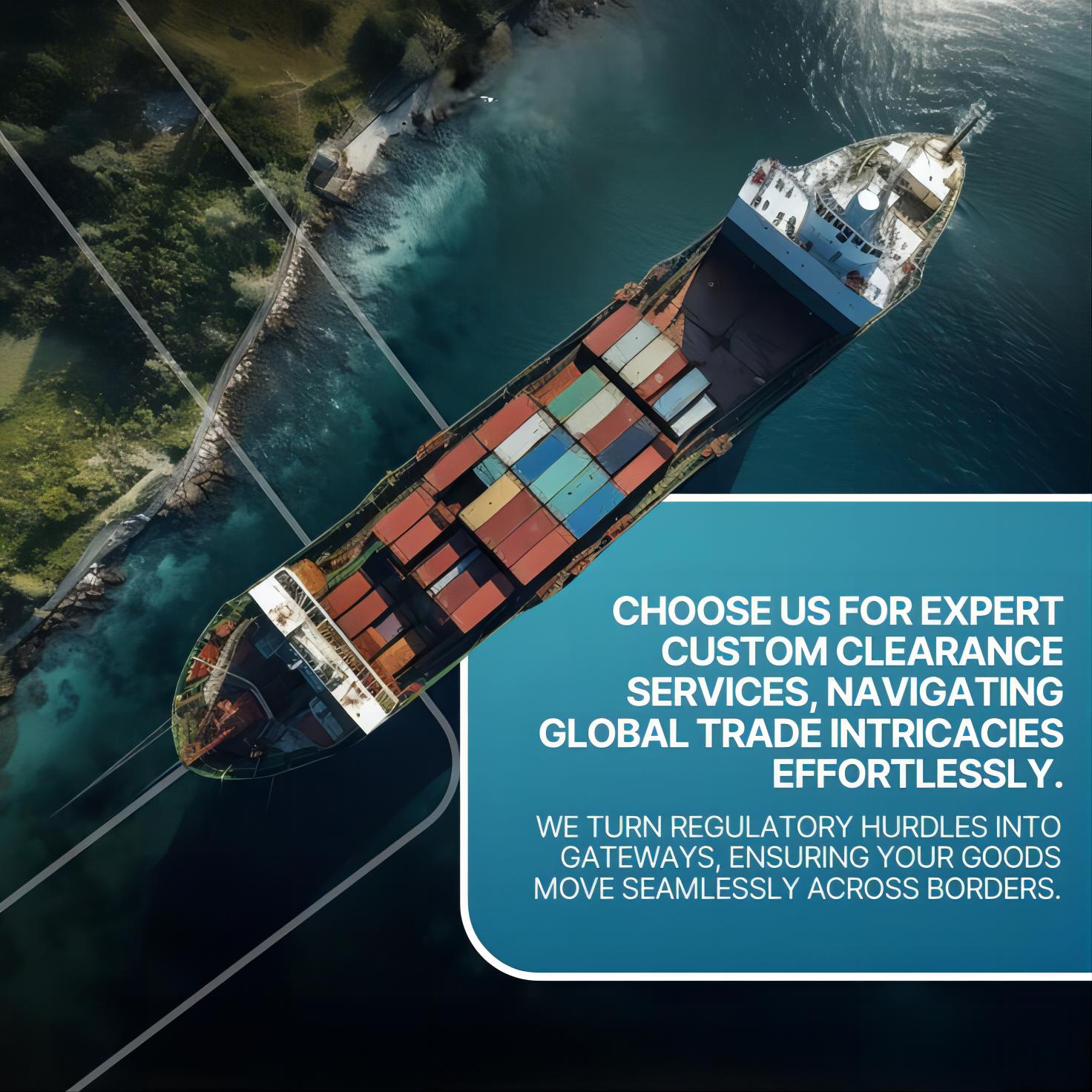
Efficient customs clearance is a cornerstone of fast door to door delivery from China to Germany. Any delays at customs can negate the benefits of expedited shipping. Therefore, meticulous preparation of all required documents is paramount for smooth importation.
Moreover, Germany, as an EU member, adheres to strict import regulations. Importers must ensure compliance with all EU directives, including CE marking, REACH regulations, and specific product safety standards. Consequently, a thorough understanding of these requirements prevents costly hold-ups.
Key documents typically include the commercial invoice, packing list, bill of lading (for sea freight) or air waybill (for air freight), and a certificate of origin. Additionally, specific goods may require licenses, permits, or health certificates. Partnering with a knowledgeable customs brokerage service is highly recommended to manage these complexities effectively.
Optimizing Your Supply Chain for China-Germany Routes
Achieving truly fast door to door delivery from China to Germany extends beyond just selecting a shipping method. It involves optimizing your entire supply chain. Strategic planning and efficient execution at every stage are critical for reducing lead times and improving overall logistics performance.
Firstly, consider supplier consolidation. If you source from multiple vendors in China, consolidating shipments at a single warehouse before export can save significant time and money. This approach minimizes separate customs clearances and reduces fragmented transportation costs. Furthermore, it streamlines cargo handling.
Secondly, leverage technology for real-time tracking and visibility. Modern logistics platforms offer end-to-end monitoring of your shipments. This transparency allows for proactive problem-solving and accurate delivery schedule predictions. Consequently, you can provide better service to your end customers.
Thirdly, explore hybrid shipping solutions. For instance, combining sea freight for the main leg with air or rail for the final mile can offer a cost-effective yet relatively fast option. This strategy is especially useful for businesses managing diverse product lines with varying urgency levels. Therefore, flexibility in approach is key.
Real-World Success: Case Studies in Fast Door to Door Delivery
Examining real-world examples illustrates the practical application of fast door to door delivery from China to Germany. These case studies highlight how different businesses successfully navigated their unique shipping challenges. They showcase the importance of choosing the right method and partner. Based on Q3 2024 market rates, these scenarios offer valuable insights.
Case Study 1: High-Value Electronics (Air Freight)
Route: Shenzhen, China Munich, Germany
Cargo: 5 CBM, 800 kg of high-end consumer electronics (laptops, cameras)
Container: LCL 5 CBM
Shipping Details:
– Carrier/Service: Major airline (e.g., Lufthansa Cargo)
– Port of Loading: Shenzhen Bao’an International Airport
– Port of Discharge: Munich Airport
– Route Type: Direct
Cost Breakdown:
– Air Freight: $4,800
– Origin Charges (Handling, Documentation): $450
– Destination Charges (Customs Clearance, Handling): $600
– Customs & Duties (estimated): $1,200
– Total Landed Cost: $7,050
Timeline:
– Booking to Loading: 2 days
– Air Transit: 2 days
– Customs Clearance: 1 day
– Total Door-to-Door: 5 days
Key Insight: This client needed to launch a new product line quickly. Air freight was chosen despite the higher cost due to the critical time-to-market requirement and high product value. Efficient customs pre-clearance played a vital role in the swift delivery.
Case Study 2: Industrial Components (Rail Freight)
Route: Chongqing, China Hamburg, Germany
Cargo: 20 CBM, 12,000 kg of industrial machinery parts
Container: 20GP
Shipping Details:
– Carrier/Service: China-Europe Railway Express (e.g., Yuxinou)
– Port of Loading: Chongqing Railway Station
– Port of Discharge: Hamburg Intermodal Terminal
– Route Type: Direct Rail
Cost Breakdown:
– Rail Freight: $6,500
– Origin Charges (Loading, Documentation): $700
– Destination Charges (Customs Clearance, Inland Transport): $950
– Customs & Duties (estimated): $1,500
– Total Landed Cost: $9,650
Timeline:
– Booking to Loading: 3 days
– Rail Transit: 16 days
– Customs Clearance: 2 days
– Total Door-to-Door: 21 days
Key Insight: The client required a balance of speed and cost for heavy, non-urgent but time-sensitive components. Rail freight proved to be the ideal solution, offering significant savings over air freight while still delivering much faster than sea freight. Documentation accuracy prevented any border delays.
Case Study 3: E-commerce Goods (Express/LCL Sea Hybrid)
Route: Ningbo, China Berlin, Germany
Cargo: 8 CBM, 2,500 kg of various e-commerce products (textiles, small gadgets)
Container: LCL 8 CBM
Shipping Details:
– Carrier/Service: Major carrier (e.g., Maersk for ocean, local courier for final mile)
– Port of Loading: Ningbo Port
– Port of Discharge: Hamburg Port, then rail to Berlin
– Route Type: Ocean + Inland Rail/Truck
Cost Breakdown:
– Ocean Freight (LCL): $1,400
– Origin Charges: $350
– Destination Charges (Inland Germany, Customs Clearance): $800
– Customs & Duties (estimated): $500
– Total Landed Cost: $3,050
Timeline:
– Booking to Loading: 4 days
– Sea Transit: 30 days
– Customs Clearance: 3 days
– Total Door-to-Door: 37 days
Key Insight: This e-commerce business prioritized cost-efficiency for regular stock replenishment while maintaining a reasonable lead time. A well-managed LCL sea freight combined with efficient German inland logistics provided the necessary fast door to door delivery from China to Germany for their specific needs. Note: Freight rates are subject to change based on fuel costs, carrier capacity, and seasonal demand. Contact us for a current quote tailored to your specific shipment.
Which Fast Door to Door Delivery Option is Right for You?
Selecting the optimal shipping method depends heavily on your business priorities and cargo specifics. A clear decision framework can guide you in making the best choice for fast door to door delivery from China to Germany. Consider these key criteria carefully.
Furthermore, your long-term supply chain goals should influence these decisions. Strategic planning now can lead to significant savings and improved efficiency later. Therefore, align your shipping choices with your overall business objectives.
Budget Priority
If cost-effectiveness is your primary concern, especially for large volumes, sea freight is generally the most economical choice. However, be prepared for longer transit times. For a better balance of cost and speed, rail freight offers a compelling alternative. This option significantly reduces expenses compared to air transport while still being faster than ocean routes.
Speed Priority
For urgent cargo or time-sensitive goods, air freight is the undisputed champion. It provides the quickest transit, albeit at a higher premium. For small, critical items, express courier services offer unparalleled speed and convenience. Therefore, if time is money, these are your go-to options.
Cargo Type Considerations
High-value, perishable, or fragile goods often benefit from the faster, more secure handling of air freight or express services. Conversely, bulky, heavy, or non-perishable items are usually best suited for sea or rail freight. Hazardous materials also have specific handling requirements that dictate method choice. Consequently, cargo nature is a major determinant.
Volume Thresholds for Switching Methods
For shipments under 1 CBM or 100 kg, express services or air freight might be surprisingly competitive due to minimum charges for sea/rail. For volumes between 1-15 CBM, LCL sea freight or rail freight often become more economical. Over 15 CBM, a full container load (FCL) via sea or rail typically offers the best value. Thus, volume dictates the most cost-efficient method.
Market Insights and Future Trends in China-Germany Logistics
The landscape of fast door to door delivery from China to Germany is continually evolving. Staying informed about current market conditions and emerging trends is essential for optimizing your logistics strategy. Market intelligence can provide a significant competitive edge. As of Q1 2025, freight rates from China to Europe have stabilized after the 2024 Red Sea disruptions, though some volatility persists. Furthermore, industry average for this route indicates a steady demand.
Moreover, digital transformation is revolutionizing the logistics sector. Advanced tracking systems, AI-driven route optimization, and blockchain for documentation are becoming more prevalent. These innovations promise even greater efficiency and transparency in the supply chain. Consequently, embracing these technologies is crucial for future readiness.
Lastly, sustainability is an increasing concern. Businesses are looking for greener shipping options, with rail freight gaining popularity due to its lower carbon footprint compared to air or sea. This trend will likely influence future logistics decisions. Typical rates as of early 2025 also reflect a growing preference for balanced solutions.
Choosing the Right Partner for Fast Door to Door Delivery from China to Germany
Selecting an experienced and reliable logistics partner is arguably the most critical step for successful fast door to door delivery from China to Germany. A competent freight forwarder acts as your extended team, navigating complexities and ensuring smooth operations. Their expertise minimizes risks and maximizes efficiency.
Look for a partner with extensive experience on the China-Europe route and a strong network in both countries. They should offer comprehensive door-to-door services, including customs clearance, warehousing, and last-mile delivery. Furthermore, transparent communication and proactive problem-solving capabilities are indispensable. Ultimately, a good partner provides peace of mind and allows you to focus on your core business.
Achieving Seamless Fast Door to Door Delivery from China to Germany
In conclusion, achieving fast door to door delivery from China to Germany requires a strategic approach, a clear understanding of your options, and a trusted logistics partner. Whether you prioritize speed, cost, or a balance of both, viable solutions exist to meet your specific needs. By optimizing your supply chain, managing customs meticulously, and leveraging expert services, you can ensure your goods arrive efficiently and reliably.
Moreover, staying informed about market trends and embracing innovative solutions will further enhance your competitive edge. Ultimately, a well-executed logistics strategy for fast door to door delivery is fundamental to sustained business success in the dynamic global marketplace.
Start Your Shipment
Ready to streamline your imports with fast door to door delivery from China to Germany? Contact our experts today for a personalized consultation and a competitive quote. Let us help you achieve seamless and efficient logistics for your business.
Request Quote