

- By carlie tj
- October 28, 2025
- Tips or Guide, Transport
Importers seeking fast LCL shipping from China to Italy need freight solutions that combine speed, cost-efficiency, and reliable handling. At China Top Freight, we provide professional LCL services designed to reduce shipping costs, optimize transit schedules, and ensure smooth customs clearance for businesses shipping to Italy.
1. What Is LCL Shipping and Why Is It a Fast Solution?
LCL (Less than Container Load) shipping allows importers to share container space with other shippers. It’s considered fast because:
- Frequent sailings reduce waiting time for cargo departures.
- Efficient consolidation streamlines logistics for smaller shipments.
- Multiple Italian entry ports enable quicker inland distribution.
2. How Does Fast LCL Shipping from China to Italy Work?
The process involves several steps coordinated by professional freight forwarders:
- Cargo collection or delivery to a Chinese consolidation warehouse.
- Grouping goods with shipments from other suppliers.
- Sea freight to Italian ports such as Genoa, Trieste, or La Spezia.
- Customs clearance at destination.
- Door-to-door delivery across Italy.
This systematic approach ensures reliability while keeping shipping costs low.
3. What Are the Costs of LCL Shipping?
LCL shipping costs depend on cargo volume (CBM), weight, and final delivery needs. Additional charges apply for customs duties and local Italian transport.
| Method | Avg Cost (per CBM) | Transit Time | Pros | Cons |
|---|---|---|---|---|
| LCL Sea Freight | $90–$160 | 30–38 days | Affordable, flexible | Slower than air |
| FCL Sea Freight | $1800–$2200 (20ft) | 27–33 days | Exclusive use, secure | Expensive for small cargo |
| Air Freight | $5–$8 per kg | 5–9 days | Very fast | High cost |
| Rail Freight | $200–$260 per CBM | 20–25 days | Balanced cost & time | Limited routes |
4. Which Documents Are Needed for Smooth LCL Shipping?
Documentation is vital to avoid costly customs delays in Italy.
- Commercial Invoice
- Packing List
- Bill of Lading or Sea Waybill
- Certificate of Origin
- Import License (if applicable)
- HS Code classification
5. How Long Does Fast LCL Shipping from China to Italy Take?
Sea transit usually takes 30–38 days, depending on ports and customs efficiency.
Factors affecting delivery include:
- Congestion at Chinese or Italian ports
- Customs inspections at arrival
- Holiday seasons in China and Europe
- Weather or vessel scheduling changes
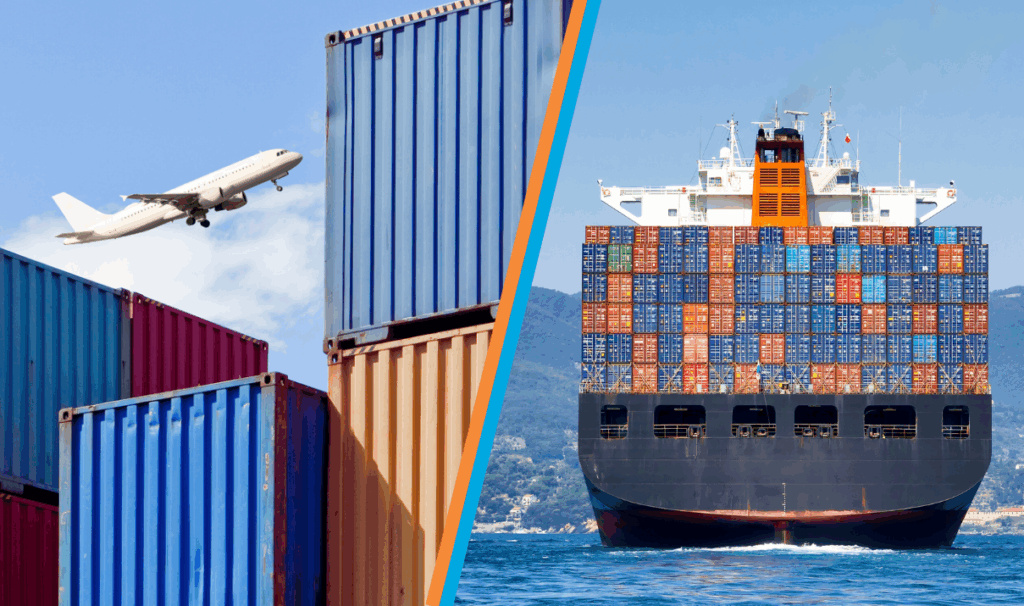
6. Why Is LCL the Best Choice Compared to Other Freight Options?
LCL balances speed and cost, making it suitable for businesses with mid-volume shipments.
| Mode | Pros | Cons |
|---|---|---|
| LCL Sea | Low cost, frequent departures | Slower than air |
| FCL Sea | Secure, dedicated container | Expensive for small loads |
| Air Freight | Fastest option | High price per kg |
| Rail Freight | Faster than sea, eco-friendly | Limited capacity |
7.Conclusion
In summary, fast LCL shipping from China to Italy is an excellent solution for businesses that prioritize both affordability and dependable logistics. By preparing proper documentation, understanding customs duties, and working with experienced freight forwarders, importers can enjoy smoother supply chain operations. Partnering with China Top Freight ensures timely, reliable, and cost-effective deliveries from China to Italy.
8. Request a Quote
China Top Freight offers:
- ✅ Origin and Destination Countries
- ✅ Cargo Type and Volume
- ✅ Preferred Transport Method (Air, Sea, Rail, Road)
- ✅ Delivery Timeline
- ✅ Special Handling Requirements (if any)
9. FAQ
Q1: What is the minimum shipment size for LCL cargo to Italy?
The minimum chargeable volume is one cubic meter, which makes LCL ideal for businesses shipping smaller quantities without needing a full container.
Q2: How can fragile cargo be shipped safely via LCL?
Goods should be packed with protective materials, clearly labeled, and entrusted to forwarders who implement strict cargo handling procedures.
Q3: Do freight rates increase during peak seasons?
Yes, rates typically rise during Chinese New Year and holidays due to space shortages, high demand, and shipping surcharges.
Q4: Which Italian ports handle the most LCL shipments?
Key ports include Genoa, Trieste, and La Spezia, each offering efficient logistics networks connected to major Italian industrial hubs.
Q5: Can shipments from multiple suppliers be consolidated into one LCL booking?
Freight forwarders can consolidate cargo from different suppliers, reducing per-unit costs while streamlining customs and delivery processes.