

- By kelly
- November 13, 2025
- Logistics, Tips or Guide
Fast LCL Shipping from Shenzhen to Canada: Complete 2025 Guide
Businesses looking for fast LCL shipping from Shenzhen to Canada need a transport method that balances speed, cost, and reliability. Although LCL (Less than Container Load) shipments usually take longer than air freight, modern consolidation networks and optimized supply chains now make it possible to achieve faster and more predictable sea freight delivery to major cities across Canada—without overspending on logistics.
1. What Is LCL Shipping and Why Is It Ideal for Canadian Imports?
LCL shipping allows multiple shippers to share space in the same container. Therefore, it is the perfect solution when your shipment does not fill a full container but still requires professional handling, competitive pricing, and stable delivery schedules.
LCL is especially beneficial for:
- Small and medium shipment volumes
- E-commerce restocks requiring consistent flow
- Non-urgent but time-sensitive inventory
- Lower-cost alternatives to air freight
- Reducing warehouse storage needs
Moreover, LCL provides flexibility for Canadian importers managing dynamic inventory.
2. How Does Fast LCL Shipping from Shenzhen to Canada Work?
Fast LCL shipping follows a structured and coordinated process that reduces delays.
Step-by-Step LCL Workflow
- Goods are picked up from Shenzhen suppliers
- Cargo delivered to consolidation warehouse
- Export customs clearance prepared
- Container loading and consolidation
- Ocean shipping to Canadian port
- Deconsolidation at destination warehouse
- Import customs clearance
- Final delivery via truck to Canadian address
Because this process involves multiple checkpoints, working with experienced freight forwarders ensures smooth execution.
3. What Are the Key Shipping Routes from Shenzhen to Canada?
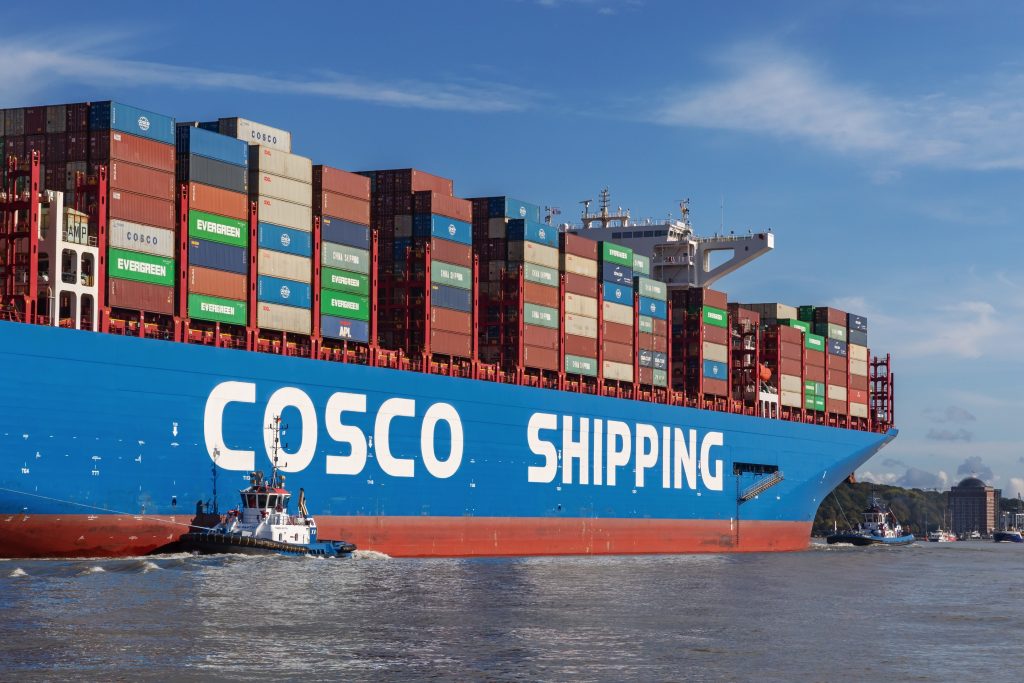
Canada receives LCL freight primarily via its major ports.
Transit Time by Destination
| Destination Port | Transit Time (Days) | Notes |
|---|---|---|
| Vancouver | 18–23 | Fastest, most common route |
| Toronto (via Vancouver) | 23–28 | Includes inland rail transport |
| Montreal | 28–35 | Longer but stable schedule |
| Calgary / Edmonton | 25–30 | Rail from Vancouver |
Most importers prefer Vancouver for shortest lead time.
4. How Much Does LCL Shipping from Shenzhen to Canada Cost?
Prices vary by volume, cargo type, port, and season.
LCL Pricing Reference Table
| Cargo Volume | Estimated Cost (USD) | Inclusions |
|---|---|---|
| 1–2 CBM | $190–$260/CBM | Freight + consolidation |
| 3–5 CBM | $160–$220/CBM | Better rate with higher volume |
| 6–12 CBM | $130–$190/CBM | Most cost-efficient range |
| >12 CBM | Consider FCL | Lower total cost for larger volume |
Destination charges (DDC, port fees, warehouse handling) also apply upon arrival.
5. What Documents Are Required for LCL Shipping to Canada?
Smooth customs clearance requires accurate paperwork. Missing documents cause delays.
Customs Documents Checklist| Document | Purpose |
|---|---|
| Commercial Invoice | Declares cargo value |
| Packing List | Cargo dimensions & weight |
| Bill of Lading (B/L) | Shipping contract |
| HS Codes | Duty classification |
| Canada BN Number | Required for importers |
| Import Permits (if needed) | For restricted items |
| MSDS (for chemicals) | Safety requirements |
Forwarders typically help prepare these documents.
6. What Are the Pros and Cons of LCL Compared to Other Freight Modes?
Understanding alternatives helps importers choose wisely.
Shipping Method Comparison
| Mode | Cost | Speed | Best For | Pros | Cons |
|---|---|---|---|---|---|
| LCL Sea | Low | Medium | 1–15 CBM cargo | Cost-effective | Extra handling time |
| FCL Sea | Lowest per CBM | Medium | 15+ CBM | Fast loading/unloading | Higher total cost |
| Air Freight | High | Fastest | Urgent goods | Very fast | Expensive |
| Rail + Sea | Moderate | Medium | Mid-sized cargo | Good balance | Limited routing |
| Courier | Highest | Fast | Samples & parcels | Convenient | Not suitable for bulk |
For most SMEs, LCL strikes the perfect balance between cost and delivery performance.
7. How to Speed Up LCL Shipping from Shenzhen to Canada?
To achieve the fastest LCL shipping, importers should:
- Book early to secure weekly sailings
- Provide complete documents promptly
- Optimize packaging to reduce CBM
- Avoid peak seasons when possible
- Use a reputable Shenzhen freight forwarder
- Select direct routes to Vancouver when time matters
This significantly reduces delays during consolidation or at destination ports.
8. Which Goods Are Ideal for LCL Shipping?
LCL is suitable for:
- Electronics and accessories
- Household goods
- Sports equipment
- Clothing and textiles
- Small machinery
- LED lighting
- Tools and hardware
- E-commerce replenishment
These goods fit well into shared container shipments and can tolerate slightly longer transit times.
9. How Does Customs Clearance Work in Canada?
Canadian customs processes are strict but efficient when documents are accurate.
Clearance Steps
- Manifest submission before arrival
- Import declaration through CBSA
- Duty/GST calculation
- Cargo release
- Final-mile delivery
Delays typically occur due to improper HS codes, incomplete invoices, or missing permits.
10. Should You Choose FOB, CIF, or DDP for LCL Shipping?
Choosing the right trade term reduces risks.
Incoterms Comparison
| Incoterm | Importer Responsibility | Best For |
|---|---|---|
| FOB | Freight + customs + inland delivery | Experienced importers |
| CIF | Import clearance + inland delivery | Medium-risk shipments |
| DDP | None (all done by seller/forwarder) | New importers & e-commerce |
DDP is the simplest option but usually costs more due to prepaid duties and taxes.
📦Get a Free Quote
If you’re ready to secure fast LCL shipping from Shenzhen to Canada, our experienced logistics team ensures smooth consolidation, reliable sailing schedules, and complete customs support. Contact us today for competitive LCL shipping solutions tailored to your Canadian import needs.
❓ Frequently Asked Questions
Q1: How long does LCL shipping from Shenzhen to Canada take?
Transit time ranges from 18 to 35 days depending on the destination port and inland transportation requirements.
Q2: What is the cheapest way to ship small volumes to Canada?
LCL sea freight is the most affordable solution for shipments under 15 CBM.
Q3: Do I need a Business Number (BN) to import into Canada?
Yes, all commercial importers require a BN for customs declaration and tax processing.
Q4: Can I consolidate goods from different suppliers in Shenzhen?
Yes, consolidation warehouses can combine multiple shipments to save cost and simplify customs processing.
Q5: Are duties and taxes included in LCL freight charges?
No, unless using DDP service. Importers normally pay GST, duties, and brokerage fees separately.
Conclusion
Choosing fast LCL shipping from Shenzhen to Canada is the ideal balance between affordability and efficiency. Moreover, with optimized consolidation, reliable weekly sailings, and professional customs management, LCL provides businesses with a stable supply chain solution for imports of all sizes. Whether you’re expanding e-commerce operations or restocking inventory, fast LCL shipping ensures your cargo arrives safely—and at a lower cost—while maintaining predictable delivery times.