

- By carlie tj
- November 3, 2025
- Tips or Guide, Transport
In the dynamic world of international logistics, fast rail freight from China to France is revolutionizing cargo transportation. As businesses seek quicker alternatives to ocean freight and cheaper options than air freight, rail has emerged as the ideal middle path. With ChinaTopFreight, shippers gain access to a fast, secure, and cost-effective rail solution that keeps their supply chains moving seamlessly across continents.
1. What Makes Fast Rail Freight from China to France a Smart Choice?
Shippers are increasingly choosing rail freight for its speed, affordability, and environmental benefits. With average transit times of 18–22 days, it significantly outpaces sea freight while avoiding the high rates of air cargo. Moreover, rail freight offers fixed schedules, greater security, and fewer disruptions, making it a strategic logistics solution.
2. How Does Rail Freight Compare to Other Shipping Modes?
To better understand the value of rail, compare it with sea and air transport:
| Shipping Mode | Transit Time | Cost (CBM or FCL) | Pros | Cons |
|---|---|---|---|---|
| Rail Freight | 18–22 days | $150–$200 (LCL) | Fast, lower carbon footprint, secure | Limited to fixed routes |
| Sea Freight | 30–45 days | $80–$120 (LCL) | Cheapest for bulk goods | Slow, risk of port congestion |
| Air Freight | 5–8 days | $500–$700 (per CBM) | Fastest, ideal for high-value cargo | Very expensive, volume restrictions |
Therefore, rail freight balances time, cost, and reliability—perfect for time-sensitive but cost-conscious shipments.
3. Which Chinese Cities Are Rail Freight Hubs for France?
Several major Chinese cities operate direct rail links to France via the China-Europe Railway Express:
- Chengdu – Centralized and highly connected
- Xi’an – Strong manufacturing and electronics base
- Zhengzhou – Industrial center with large cargo volume
- Chongqing – Major hub for rail and multimodal freight
These hubs offer frequent departures, optimized schedules, and support for both FCL and LCL shipments.
4. What Types of Cargo Are Ideal for Rail Freight to France?
Rail freight suits a wide range of industries and cargo types. Examples include:
- Consumer electronics and accessories
- Automotive parts and machinery
- Furniture and home appliances
- Apparel, textiles, and footwear
- Medical equipment and devices
Furthermore, goods requiring moderate transit speed and secure transport benefit the most from this mode.
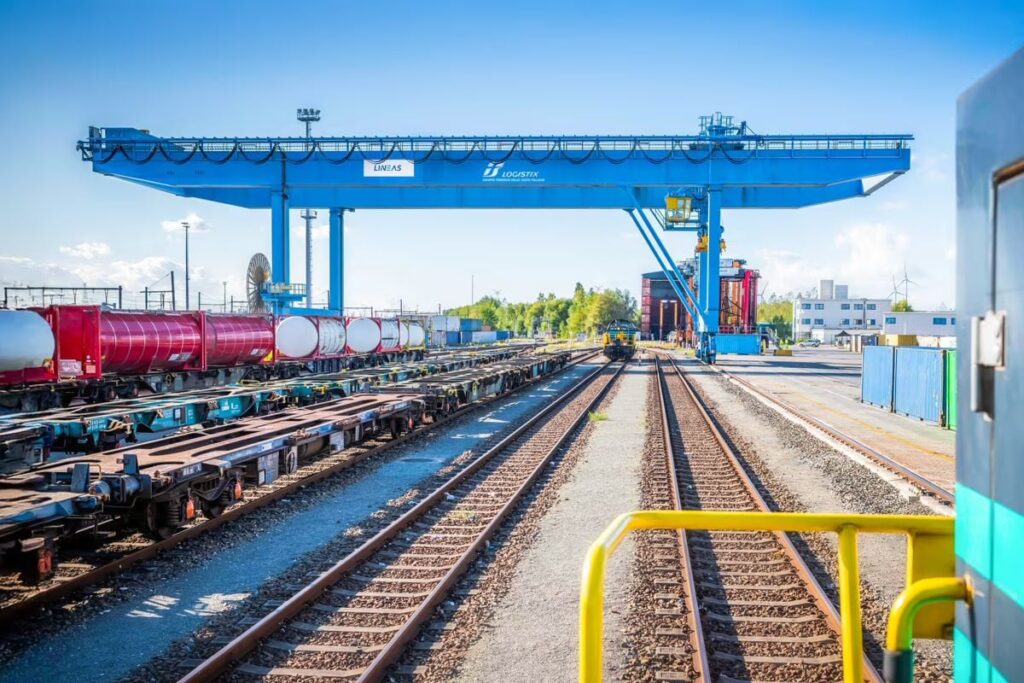
5. How Long Does Rail Freight Take to Reach France from China?
Transit times are considerably shorter than sea shipping. Here’s a breakdown:
| Origin City (China) | Destination (France) | Estimated Transit Time |
|---|---|---|
| Xi’an | Paris | 18 days |
| Chengdu | Lyon | 20 days |
| Zhengzhou | Marseille | 21 days |
| Chongqing | Strasbourg | 22 days |
While delays may occur due to border checks or rail congestion, schedules are typically reliable.
6.What Customs Documents Are Required for Rail Freight?
Efficient documentation ensures timely clearance. Here’s a typical customs checklist:
| Document | Description |
|---|---|
| Commercial Invoice | Includes item details, HS codes, and declared value |
| Packing List | Describes quantity, weight, and packaging of goods |
| Bill of Lading (Rail) | Proof of shipment issued by rail carrier |
| EORI Number | Required by EU importers for customs processing |
| CE Certification | Necessary for regulated items such as electronics and toys |
| Import Declaration | Filed with French customs to assess duties and taxes |
Incorrect or missing documentation can cause delays or fines, so it’s best to rely on experienced freight partners.
7.Conclusion
Fast rail freight from China to France is no longer just an alternative—it’s a competitive advantage. With shorter transit times, lower costs than air, and greater sustainability than sea, rail shipping offers the efficiency and reliability modern supply chains demand. Whether you’re a small importer or a large enterprise, this solution enables timely, cost-effective, and customs-compliant delivery.
8. Request a Quote
China Top Freight offers:
- ✅ Origin and Destination Countries
- ✅ Cargo Type and Volume
- ✅ Preferred Transport Method (Air, Sea, Rail, Road)
- ✅ Delivery Timeline
- ✅ Special Handling Requirements (if any)
9. FAQ
What is the typical departure frequency for rail freight trains?
Multiple departures per week are available from major Chinese hubs, offering flexibility in planning and cargo readiness.
Is there a minimum shipment size for rail freight?
LCL services allow small cargo volumes, making it accessible for startups and SMEs with modest shipment needs.
Are customs duties included in the rail freight quote?
Most quotes exclude duties and taxes, but freight forwarders can help calculate and prepay customs fees upon request.
Can goods be insured during rail transport?
Optional insurance coverage is offered to protect shipments against loss, theft, or damage while in transit.
How are delivery schedules maintained during holidays?
Rail operators adjust schedules in advance to avoid disruption, maintaining a consistent supply chain throughout the year.