

Businesses today need speed and cost efficiency when moving goods across borders. Fast rail freight from China to UK offers a practical balance—faster than sea freight, cheaper than air freight, and more predictable than congested ports. This guide explains costs, transit times, customs, and how importers can maximize efficiency.

What Makes Fast Rail Freight from China to UK Attractive?
Rail freight is growing in popularity because it provides timely deliveries without the high expenses of air. Moreover, it reduces port delays and is more environmentally sustainable. Therefore, companies in manufacturing, electronics, textiles, and e-commerce often choose rail as their preferred logistics method.
How Much Does Fast Rail Freight Cost?
While costs fluctuate with fuel, demand, and container space, rail remains competitively priced. On average, it is 50–60% cheaper than air but slightly more expensive than sea.
| Container Size | Estimated Cost (USD) | Notes |
|---|---|---|
| 20ft FCL | $6,300 – $7,100 | Standard container cargo |
| 40ft FCL | $11,500 – $12,800 | Best for bulk loads |
| LCL (per CBM) | $110 – $150 | Flexible for smaller shipments |
How Long Does Rail Freight Take from China to UK?
Transit time for fast rail freight from China to UK averages 16–22 days depending on the departure city. This makes it twice as fast as sea freight.
| Departure City (China) | UK Destination | Transit Time |
|---|---|---|
| Xi’an | London | 16–18 days |
| Chongqing | Manchester | 18–20 days |
| Zhengzhou | Birmingham | 17–19 days |
| Shenzhen | Felixstowe | 20–22 days |
Why Choose Rail Freight Over Air or Sea?
Every transport mode has trade-offs. Rail stands in between, offering a cost-time balance.
| Method | Transit Time | Cost Level | Advantages | Disadvantages |
|---|---|---|---|---|
| Air | 5–7 days | $$$$ | Fastest delivery, reliable scheduling | Very high cost, limited capacity |
| Rail | 16–22 days | $$–$$$ | Balanced cost, eco-friendly, stable schedule | Slightly slower than air |
| Sea | 30–40 days | $ | Cheapest per unit, large capacity | Long delays, port congestion |
What are you waiting for?
Contact chinatopfreight for a fast, free quote.
Are you ready to book?
Access live instant freight quotes
What Documents Do You Need for Rail Freight?
Efficient customs clearance requires complete paperwork. Missing any document can lead to shipment delays or penalties.
| Document | Purpose |
|---|---|
| Commercial Invoice | Confirms product value and transaction details |
| Packing List | Describes cargo content, volume, and packaging |
| Rail Bill of Lading | Transport contract and receipt |
| Certificate of Origin | Determines tariffs and duties |
| Import Licenses | Needed for controlled goods categories |
Can Small Businesses Use Rail Freight from China to UK?
Yes. Many logistics providers offer Less-than-Container Load (LCL) services. This allows small businesses to share container space, lowering expenses while still enjoying faster delivery than sea freight.
How Does Customs Clearance Work for Rail Freight?
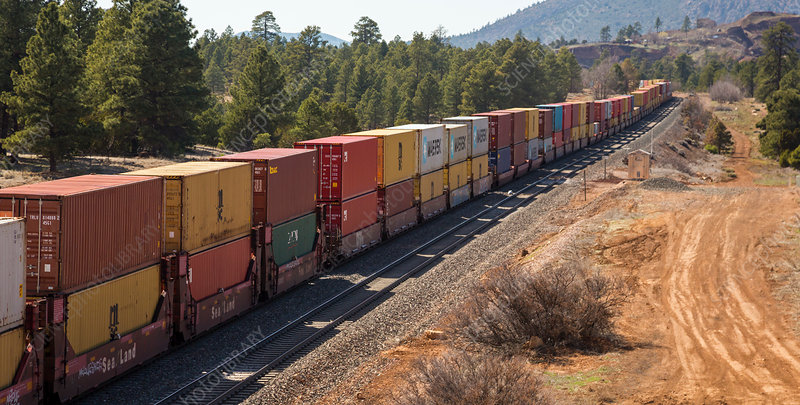
Rail shipments must pass both Chinese export clearance and UK import clearance. Therefore, it is crucial to partner with experienced freight forwarders who handle HS codes, VAT, tariffs, and customs duties. This prevents unnecessary delays and ensures compliance with both countries’ regulations.
Do Rail Services Provide Door-to-Door Delivery?
Yes. Rail freight often integrates with trucking services for last-mile delivery. After arriving in European hubs such as Duisburg or Warsaw, goods can continue by truck or ferry to the UK, ensuring warehouses in cities like London and Birmingham receive shipments on schedule.
Should You Consider Multimodal Rail Solutions?
Many shippers use rail + sea or rail + truck multimodal options. For instance, goods may travel by rail to mainland Europe and then move to the UK via road or ferry. This flexibility improves delivery scheduling, especially post-Brexit.
Is Fast Rail Freight Reliable During Peak Seasons?
Although peak seasons like Christmas and Chinese New Year create heavy demand, rail remains less congested than sea freight. However, space should be booked at least 2–3 weeks in advance to secure reliable scheduling.
What Industries Benefit Most from Rail Freight?
Industries such as electronics, textiles, automotive parts, furniture, and e-commerce retail benefit significantly from fast rail freight. The service offers dependable delivery schedules while keeping shipping costs under control.
How to Select the Right Freight Forwarder?
When evaluating freight forwarders for fast rail freight from China to UK, ensure they provide:
- Transparent pricing and no hidden charges
- Expertise in customs clearance at both ends
- Real-time tracking solutions
- Flexible FCL and LCL services
- Door-to-door delivery options
Conclusion
Opting for fast rail freight from China to UK offers businesses the perfect balance between speed, cost, and reliability. With average transit times under three weeks, rail provides a faster option than sea and a cheaper alternative to air. Moreover, it is eco-friendly and increasingly favored by industries requiring dependable schedules. By working with an experienced freight forwarder, businesses can ensure smooth customs clearance, transparent pricing, and door-to-door solutions that strengthen their supply chain.
FAQ
1. Can I ship perishable goods via rail freight?
Yes, with reefer containers. Rail is faster than sea, but temperature-sensitive goods require strict monitoring and professional handling for safety.
2. How much earlier should I book rail freight space?
Booking 2–3 weeks in advance is recommended, especially before holidays or peak shopping seasons when demand for container space increases.
3. Can I ship hazardous cargo using rail freight?
Yes, but hazardous goods require special documentation, packaging, and permits. Always confirm with your freight forwarder before booking.
4. Does rail freight include insurance coverage?
Basic liability is included, but it is advisable to purchase comprehensive cargo insurance to protect against loss, damage, or delays.
5. What Incoterms are commonly used in rail freight?
FOB, EXW, and DAP are most common. Many shippers prefer DAP for door-to-door service, reducing responsibility for customs clearance and delivery.