

Businesses importing goods need fast sea freight from China to UK to stay competitive. Delays can disrupt supply chains, increase costs, and affect customer satisfaction. However, with the right shipping strategies and professional logistics support, importers can enjoy quick, reliable, and cost-effective sea freight solutions that balance speed with affordability.
1. Why Choose Fast Sea Freight from China to UK?
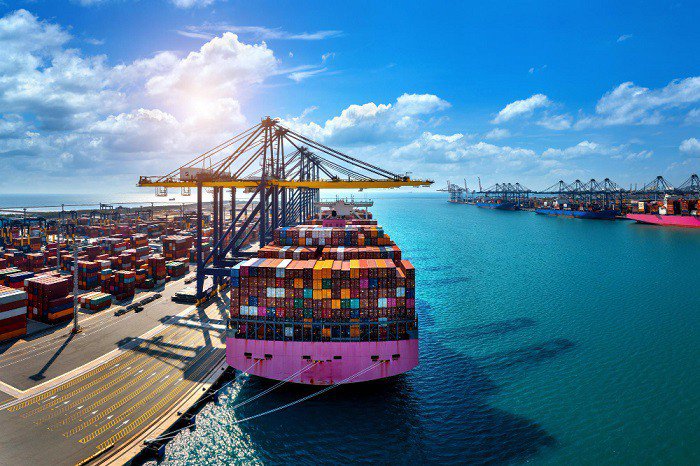
Sea freight is typically slower than air freight, but advancements in shipping lanes, port operations, and digital tracking now make fast sea freight a reliable option.
Moreover, using direct routes and experienced freight forwarders helps reduce delays, ensuring products arrive on schedule. Therefore, businesses that prioritize planning and efficiency can achieve significant time savings.
2. How Long Does Fast Sea Freight from China to UK Take?
Transit times vary by port pairing and service type.
| Route (Port-to-Port) | Average Transit (Days) | Notes |
|---|---|---|
| Shanghai – Felixstowe | 28–32 | Standard East China to UK service |
| Ningbo – Southampton | 27–30 | Competitive transit with strong carrier links |
| Shenzhen – London Gateway | 30–34 | Direct access to London distribution |
| Qingdao – Liverpool | 32–36 | Slightly longer but suits Northern UK markets |
Additionally, express services can reduce lead times by prioritizing vessel loading and customs clearance.
3. What Are the Shipping Costs for Fast Sea Freight?
Costs remain lower than air freight while offering competitive delivery times.
| Container Size | Estimated Cost (USD) | Best Suited Cargo |
|---|---|---|
| 20ft FCL | $2,100–$2,900 | Small-medium cargo needing full container |
| 40ft FCL | $3,200–$4,600 | Bulk imports such as furniture or machinery |
| 40ft HQ | $3,500–$4,900 | Voluminous but lighter shipments |
| LCL (per CBM) | $50–$80 | Small shipments consolidated for savings |
Therefore, fast sea freight remains cost-effective compared to air, especially for bulk cargo.
What are you waiting for?
Contact chinatopfreight for a fast, free quote.
Are you ready to book?
Access live instant freight quotes
4. FCL vs. LCL: Which Option Is Faster?
| Method | Advantages | Disadvantages |
|---|---|---|
| FCL | Direct shipping, fewer delays, secure cargo | Higher upfront costs, needs larger volume |
| LCL | Cost-effective for small loads | Consolidation and deconsolidation add delays |
For importers focused on speed, FCL is usually the better option.
5. What Customs Documents Are Required?
Accurate paperwork ensures faster clearance and prevents delays.
| Document | Purpose |
|---|---|
| Bill of Lading (B/L) | Proof of shipment and cargo ownership |
| Commercial Invoice | Declares cargo value for customs duties |
| Packing List | Provides item details for inspection |
| UK Import Declaration | Required for customs entry |
| Certificates of Origin | Needed for specific regulated goods |
Moreover, trusted freight forwarders assist in filing documents correctly and on time.
6. How Does Sea Freight Compare to Air and Rail?
Thus, sea freight strikes the right balance between affordability and reasonable speed.
7. Which UK Ports Are Best for Fast Sea Freight?
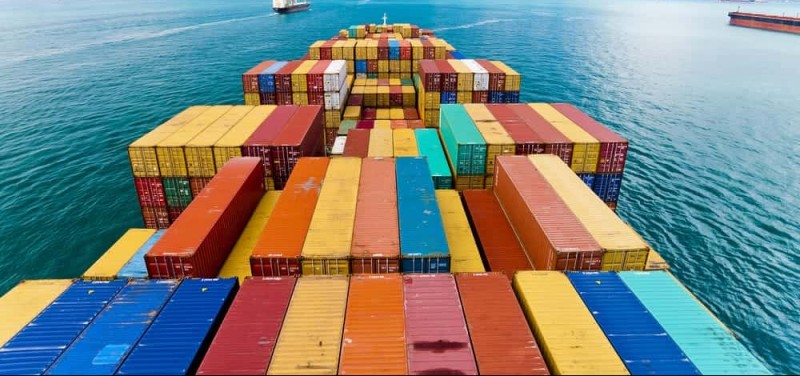
- Felixstowe – Handles over 40% of UK imports, fast rail/truck access.
- Southampton – Key for Southern UK distribution.
- London Gateway – Modern port with advanced facilities.
- Liverpool – Ideal for Northern markets and reduced inland transport.
Selecting the right port ensures faster final delivery.
8. How Do Freight Forwarders Speed Up Shipping?
Professional freight forwarders provide:
- Carrier selection with faster transit times.
- Pre-clearance services to reduce customs delays.
- Space allocation on reliable vessels.
- Digital shipment tracking for visibility.
- End-to-end door-to-door logistics support.
Therefore, choosing the right forwarder directly impacts your delivery speed.
9. Can Importers Reduce Delays and Hidden Costs?
Yes, by following these strategies:
- Book containers early in peak season.
- Prepare documents accurately with HS codes.
- Use bonded warehouses for flexible duty payments.
- Work with experienced customs brokers.
- Select carriers with strong performance records.
Additionally, real-time shipment tracking prevents last-minute disruptions.
10. What Trends Shape the Future of Fast Sea Freight?
Emerging trends include:
- Green Shipping: Low-emission vessels improving efficiency.
- Digital Transformation: Blockchain bills of lading and AI logistics.
- Infrastructure Growth: Expansions at UK ports for quicker handling.
- Resilience Planning: Diversifying routes to avoid congestion.
Thus, businesses should adapt to these trends to maintain speed and competitiveness.
Conclusion
In conclusion, fast sea freight from China to UK is the ideal choice for importers needing affordable, reliable, and timely delivery. With the right freight forwarder, businesses can secure quick customs clearance, optimized routes, and lower overall costs. Proper planning ensures that goods arrive on time and within budget, strengthening supply chain resilience.
FAQ
Q1: Can I ship small packages via fast sea freight?
Yes, small shipments can go through LCL services, but FCL is faster since it avoids consolidation delays.
Q2: What is the difference between express sea freight and standard sea freight?
Express services prioritize vessel loading and customs clearance, reducing transit time by several days compared to standard services.
Q3: Do I need a customs broker for UK imports from China?
Yes, brokers streamline clearance, ensure compliance, and prevent costly mistakes, making shipments smoother and faster.
Q4: How much buffer time should I plan for peak season shipments?
During peak seasons, allow an additional 7–10 days to accommodate possible delays due to congestion or customs checks.
Q5: Is cargo insurance necessary for sea freight shipments?
Yes, cargo insurance is recommended as carriers provide limited liability. Insurance protects against loss, theft, or damage during transit.