

- By kelly
- October 28, 2025
- Logistics, Tips or Guide
Fast Sea Freight from Shenzhen to Australia: Everything You Need to Know

For importers sourcing from China, finding fast sea freight from Shenzhen to Australia is crucial for maintaining a competitive supply chain. Many businesses want lower costs than air freight but quicker, more reliable delivery than traditional sea freight. This guide explores shipping costs, transit times, customs, and strategies to optimize your logistics from Shenzhen to major Australian ports.
1. What Is Fast Sea Freight?
Fast sea freight is a premium shipping service designed to shorten traditional ocean transit times while maintaining cost efficiency. Carriers achieve this by:
- Using direct shipping routes between Shenzhen and Australia.
- Partnering with priority services at ports to reduce waiting times.
- Combining sea freight efficiency with faster inland delivery.
For companies importing electronics, furniture, auto parts, or consumer goods, fast sea freight balances speed and affordability.
2. How Does Fast Sea Freight from Shenzhen to Australia Work?
The process typically involves:
- Cargo pickup from supplier in Shenzhen.
- Consolidation at the freight forwarder’s warehouse.
- Export customs clearance in China.
- Direct ocean transport to Australia.
- Import clearance at ports like Sydney, Melbourne, Brisbane, or Perth.
- Domestic delivery by truck or rail.
This streamlined chain ensures goods arrive on time with minimal disruptions.
3. What Are the Costs of Fast Sea Freight?
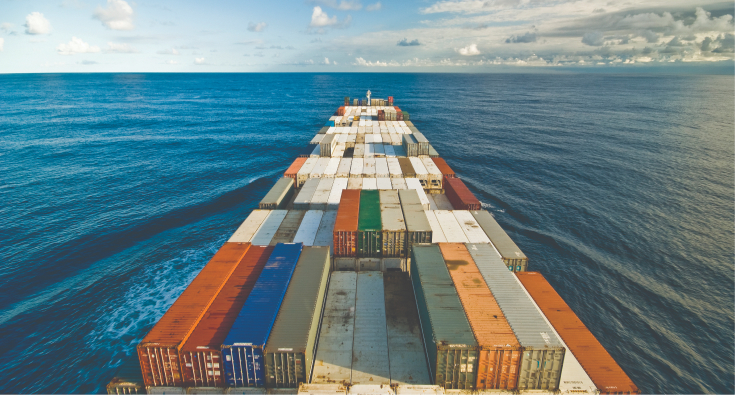
Shipping costs vary depending on cargo size, season, and port of entry.
Estimated Cost Comparison (Shenzhen–Australia)
| Shipping Method | Cost Estimate | Transit Time | Pros | Cons |
|---|---|---|---|---|
| Fast Sea Freight (LCL) | $45 – $70/CBM | 20–25 days | Affordable & faster | Still slower than air |
| FCL 20ft | $1,200 – $1,600 | 18–22 days | Full control, reliable | Costlier for small loads |
| Air Freight | $6 – $9/kg | 5–8 days | Fastest | Expensive |
| Rail Freight (China–Europe + re-route) | Not practical | — | Limited | Indirect |
Note: Prices fluctuate due to fuel surcharges, demand, and carrier schedules.
4. How Long Does Shipping Take?
Average sea freight from Shenzhen to Australia takes 28–35 days. However, fast sea freight reduces this to 18–25 days depending on the destination port.
Transit Time by Destination Port
| Destination Port | Fast Sea Freight | Standard Sea Freight |
|---|---|---|
| Sydney | 18–22 days | 28–32 days |
| Melbourne | 20–24 days | 30–35 days |
| Brisbane | 18–22 days | 28–33 days |
| Perth | 15–20 days | 25–30 days |
5. What Customs Documents Are Needed for Australia?
Importing to Australia requires strict compliance with documentation rules.
Customs Documents Checklist
| Document | Required? | Notes |
|---|---|---|
| Bill of Lading | Yes | Provided by carrier |
| Commercial Invoice | Yes | Must list accurate HS codes |
| Packing List | Yes | Includes dimensions & weight |
| Import Declaration | Yes | Submitted via ICS system |
| AQIS Biosecurity Docs | Yes | For food, wood, plants |
| Import License | Conditional | For restricted goods |
Australia enforces biosecurity laws strictly, so delays often occur if packaging materials are not ISPM-15 compliant.
6. Why Choose Fast Sea Freight Over Standard Sea?
There are several benefits:
- Reduced transit times by up to 30%.
- Cost-effective compared to air freight.
- Suitable for bulk shipments with medium urgency.
- Reliable schedules with fewer transshipments.

7. Should You Consider Air Freight Instead?
Air freight is ideal for urgent shipments under 500kg, delivering in 5–8 days. However, it costs significantly more than fast sea freight.
Pros and Cons: Air vs Fast Sea Freight
| Criteria | Air Freight | Fast Sea Freight |
|---|---|---|
| Cost | High ($6–9/kg) | Lower ($45–70/CBM) |
| Speed | 5–8 days | 18–25 days |
| Cargo Type | Small, urgent | Bulk, medium urgency |
| Environmental Impact | High | Lower |
8. Can Fast Sea Freight Be Used for Amazon FBA Shipments?
Yes. Many forwarders provide door-to-door delivery directly to Amazon FBA warehouses in Australia. Fast sea freight ensures products arrive quickly while staying within cost-effective budgets for e-commerce sellers.
9. How to Reduce Fast Sea Freight Costs?
Importers can save by:
- Consolidating shipments to minimize per-CBM charges.
- Booking early before peak seasons.
- Avoiding unnecessary packaging to reduce dimensional weight.
- Working with experienced freight forwarders for transparent costs.
10. What Are the Challenges of Fast Sea Freight?
Despite its benefits, challenges include:
- Limited capacity during peak seasons.
- Higher costs than standard sea freight.
- Customs inspections that may cause delays.
- Strict biosecurity regulations in Australia.
Proper planning and reliable partners can help minimize risks.
11. Why Work with a Professional Freight Forwarder?
Freight forwarders simplify the process by offering:
- End-to-end logistics management from Shenzhen to Australia.
- Competitive pricing with consolidated cargo.
- Expert customs clearance in both countries.
- Flexible solutions for air, sea, and multimodal shipments.
📦Get a Free Quote
If you are looking for fast sea freight from Shenzhen to Australia, our team provides competitive pricing, reliable transit schedules, and complete customs support. Contact us today to request a tailored quote and simplify your supply chain operations.
❓ Frequently Asked Questions
Q1: How much does fast sea freight from Shenzhen to Australia cost?
Rates average $45–70 per CBM for LCL shipments, while FCL containers range from $1,200–1,600 depending on destination and season.
Q2: How long does fast sea freight take to Australia?
Fast sea freight takes 18–25 days compared to standard sea freight, which typically requires 28–35 days, depending on the port.
Q3: Which ports in Australia accept fast sea freight from Shenzhen?
Major ports include Sydney, Melbourne, Brisbane, and Perth. Each has slightly different transit times and customs processing speeds.
Q4: What goods are ideal for fast sea freight?
Electronics, furniture, home goods, textiles, and auto parts are common. Perishable or highly urgent goods are better suited for air freight.
Q5: Do I need an import license to ship to Australia?
Not always. General goods don’t require a license, but restricted items such as chemicals, medicines, and food products may need permits.
Conclusion
For companies seeking a balance between cost and speed, fast sea freight from Shenzhen to Australia is the ideal solution. It offers significantly shorter transit times than standard ocean shipping while remaining more affordable than air freight. By choosing the right freight forwarder, importers can ensure smooth customs clearance, transparent pricing, and reliable delivery to Australian destinations.
Ultimately, fast sea freight supports supply chain efficiency and helps businesses stay competitive in today’s global market.