

- By ayla tj
- October 27, 2025
- Uncategorized
In today’s competitive trade environment, businesses rely on speed and reliability to stay ahead. For importers and exporters, the demand for fast shipping China to Japan continues to rise due to e-commerce growth, just-in-time production, and short lead times. However, choosing the right method requires understanding costs, transit times, customs regulations, and packaging requirements. By selecting the right logistics partner and shipping mode, companies can reduce risks, streamline operations, and ensure timely deliveries.
1. Why Is Fast Shipping Important Between China and Japan?
China and Japan are two of Asia’s largest trading partners. Electronics, auto parts, textiles, and household goods dominate this route. Businesses prioritize speed because:
- Retailers depend on shorter delivery schedules to restock inventory.
- E-commerce platforms promise fast delivery to customers.
- Manufacturers need components quickly for just-in-time supply chains.
- Seasonal goods lose value if delayed.
Therefore, choosing the right shipping strategy ensures supply chains stay competitive.
2. What Are the Main Shipping Methods from China to Japan?
Several transport options are available, each with advantages and disadvantages:
| Method | Transit Time | Cost Level | Best For | Challenges |
|---|---|---|---|---|
| Air Freight | 1–3 days | High | Urgent cargo, e-commerce parcels | Expensive, strict weight limits |
| Sea Freight | 5–10 days | Low | Bulk goods, furniture, heavy cargo | Port congestion, weather risks |
| Rail Freight | 10–15 days | Medium | Limited goods, inland connections | Indirect routes, slower |
| Courier/Express | 1–3 days | Very High | Samples, small parcels | Expensive for volume |
Air freight is the fastest, while sea freight remains the most economical for bulk shipments. Courier is ideal for small packages but not scalable.
3. How Much Does Fast Shipping Cost?
Costs depend on weight, volume, and method:
| Shipping Type | Typical Cost Range (USD) | Notes |
|---|---|---|
| Air Freight (per kg) | $4–$8 | Fast and reliable, ideal for electronics |
| Sea Freight (20ft container) | $800–$1,200 | Best for heavy goods |
| Sea Freight (40ft container) | $1,400–$2,000 | Lower per-unit cost |
| Express Courier (per kg) | $10–$20 | Premium, fast delivery |
| Rail Freight (40ft container) | $3,500–$4,500 | Limited option, indirect |
Additionally, businesses must consider handling charges, fuel surcharges, and customs duties.
What are you waiting for?
Contact chinatopfreight for a fast, free quote.
Are you ready to book?
Access live instant freight quotes
4. How Long Does It Take to Ship from China to Japan?
Transit times vary by method and origin city:
| Origin (China) | Destination (Japan) | Air | Sea | Rail |
|---|---|---|---|---|
| Shanghai | Tokyo | 1–2 days | 5–7 days | N/A |
| Shenzhen | Osaka | 1–3 days | 6–8 days | N/A |
| Qingdao | Yokohama | 1–2 days | 7–10 days | N/A |
| Beijing | Tokyo | 2–3 days | 6–8 days | 10–15 days |
Therefore, air freight is optimal for urgent shipments, while sea offers a balance for bulk imports.
5. What Goods Are Commonly Shipped?
Popular categories include:
- Electronics and semiconductors
- Automotive parts
- Textiles and apparel
- Household appliances
- Furniture and home goods
- E-commerce parcels
Each product type may require specific compliance with Japanese import laws.
6. What Are the Customs Requirements?
Accurate documentation is critical for smooth clearance.
| Document | Purpose |
|---|---|
| Commercial Invoice | Declares product details and values |
| Packing List | Outlines cartons, dimensions, weights |
| Bill of Lading / Air Waybill | Proof of shipment contract |
| Certificate of Origin | Verifies country of manufacture |
| Import Declaration | Required by Japanese customs |
| Compliance Certificates | Safety or product-specific requirements |
Japan Customs applies HS codes to determine duties. Missing paperwork can delay cargo significantly.
7. How Does Customs Clearance Work in Japan?
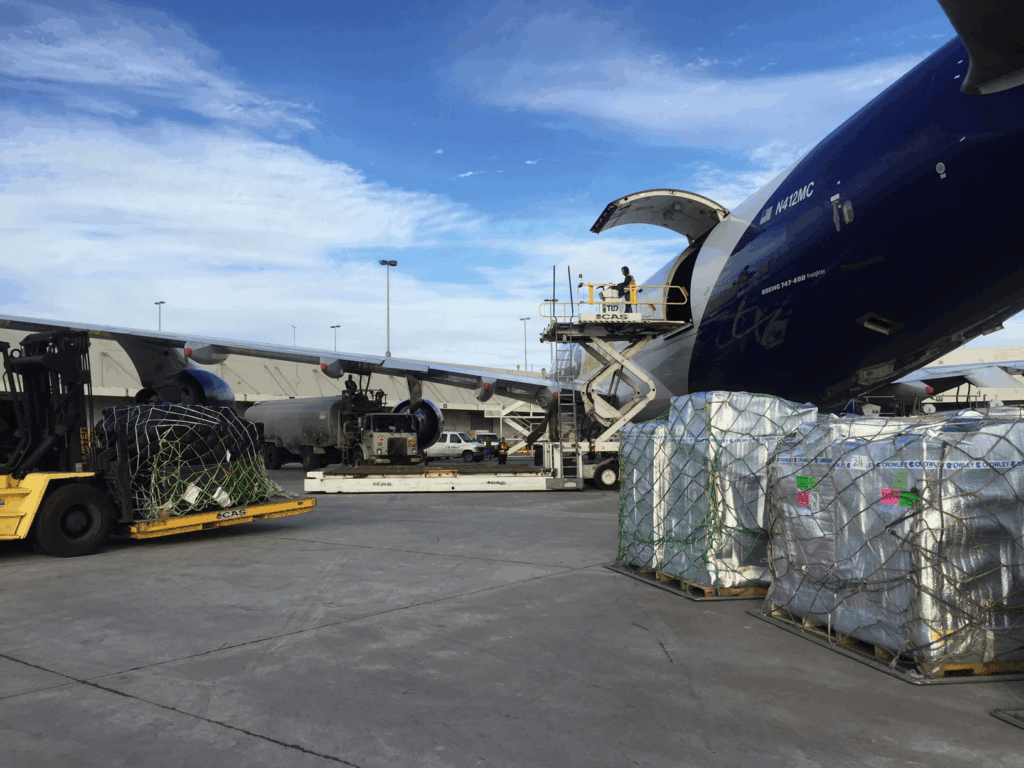
The clearance process involves:
- Submission of Import Declaration via Japan Customs’ online system.
- Inspection of goods if flagged.
- Duty and tax assessment (including consumption tax).
- Release of cargo for final delivery.
Partnering with a forwarder familiar with Japanese regulations ensures compliance and faster clearance.
8. What Are the Duty and Tax Rates?
Import duties and consumption tax apply to shipments:
- Duties: Vary by product type (e.g., 0–10% for electronics, 5–12% for textiles).
- Consumption Tax: 10% on CIF (Cost, Insurance, Freight) + duty value.
- Free Trade Agreement (FTA): Japan and China’s RCEP agreement reduces tariffs on many goods.
Therefore, importers should always calculate total landed cost, not just freight charges.
9. What Are the Pros and Cons of Each Shipping Mode?
| Method | Pros | Cons |
|---|---|---|
| Air Freight | Fastest option, reliable schedules | High costs, limited cargo size |
| Sea Freight | Lowest cost per unit, large capacity | Longer transit, weather risk |
| Rail Freight | Eco-friendly, balanced cost | Limited routes, slower |
| Courier | Fastest door-to-door | Extremely expensive |
10. How Should Cargo Be Packed for Fast Shipping?
Japan enforces strict packaging standards:
- Use sturdy cartons or wooden crates.
- Add cushioning to prevent breakage.
- Apply “Fragile” and “Handle with Care” labels.
- For electronics, use anti-static bags and moisture protection.
- Palletize for easier handling and stacking.
Proper packaging reduces risks of customs rejection or damage.
Conclusion
The fast shipping China to Japan route is vital for businesses that need speed, efficiency, and compliance. Air freight and express couriers provide the fastest solutions, while sea freight offers cost savings for bulk goods. With customs requirements, duties, and packaging standards in mind, companies must carefully select the right method.
By working with trusted freight partners, businesses can secure timely deliveries, avoid customs delays, and strengthen their position in the Japan–China trade corridor.
FAQ
1. Can small businesses use air freight for shipping to Japan?
Yes, many freight forwarders offer consolidation services, allowing SMEs to share space and reduce costs while benefiting from faster air freight deliveries.
2. Are there restrictions on shipping electronics with batteries to Japan?
Yes, lithium batteries are classified as dangerous goods. They require UN 38.3 certification, special packaging, and labeling to comply with air transport rules.
3. How can importers reduce delays during Japan Customs clearance?
Submitting accurate documents, using licensed customs brokers, and pre-clearing shipments electronically can significantly reduce customs delays in Japan.
4. Is rail freight a practical option for fast shipping between China and Japan?
Rail is less common for direct shipping, but inland routes connecting through China’s hubs to Japanese ports can be combined with sea freight for efficiency.
5. Do Free Trade Agreements lower import duties on Chinese goods?
Yes, under RCEP, many goods from China enjoy reduced tariffs in Japan. Importers should confirm product eligibility under the agreement.