

FBA Freight China to Middle East: Your Ultimate Shipping Guide
Expanding your Amazon FBA business into the Middle East presents immense opportunities. However, navigating the complexities of FBA freight from China to the Middle East requires specialized knowledge. This comprehensive guide will demystify the process, offering insights into efficient, cost-effective, and timely logistics solutions for your e-commerce venture.

Why FBA in the Middle East is a Strategic Move
The Middle East e-commerce market is experiencing rapid growth, fueled by a young, tech-savvy population and increasing internet penetration. Amazon FBA provides a robust infrastructure, allowing sellers to tap into this lucrative region without managing local warehousing.
Consequently, leveraging Amazon’s fulfillment network in countries like the UAE and Saudi Arabia significantly enhances customer trust and delivery speeds. This strategic expansion can unlock new revenue streams and establish a strong brand presence in emerging markets.
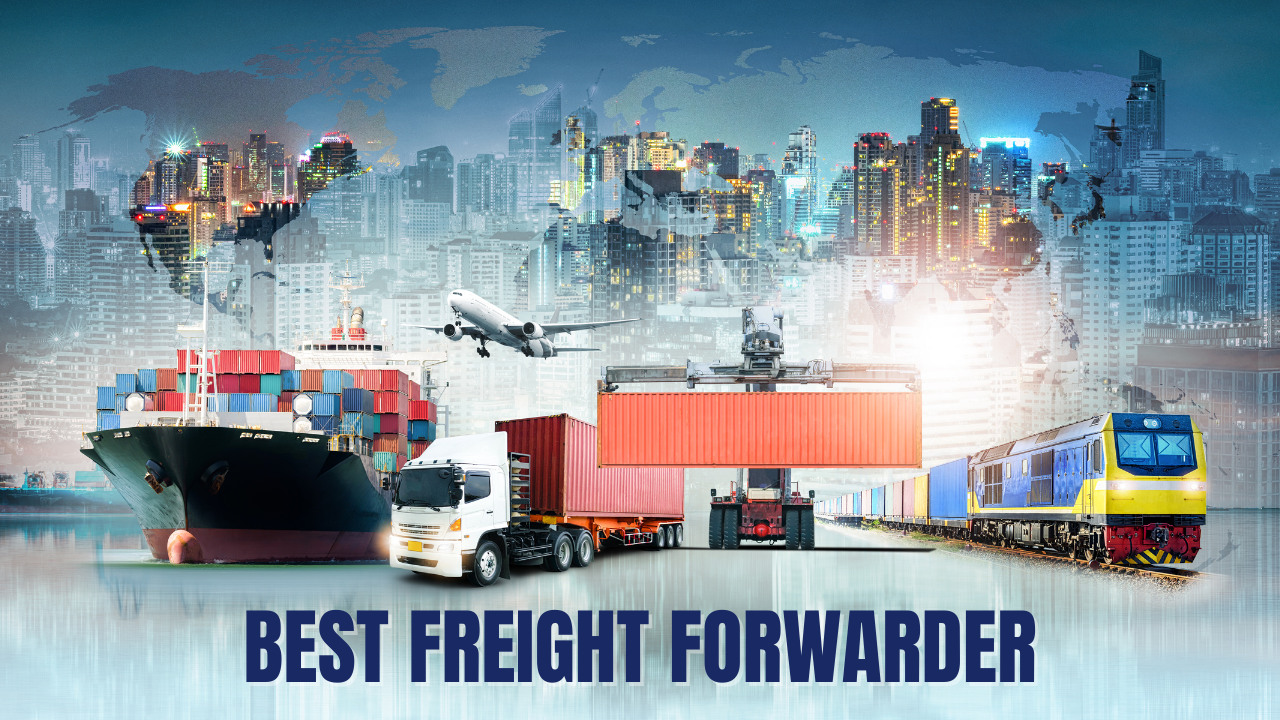
Understanding Key Challenges in FBA Freight China to Middle East
Shipping goods from China to the Middle East for FBA involves several unique challenges. Firstly, understanding diverse customs regulations and import duties across different Middle Eastern countries is crucial for compliance.
Secondly, transit times can vary significantly depending on the chosen shipping method and port congestion. Furthermore, managing documentation, ensuring proper product labeling, and coordinating last-mile delivery to Amazon fulfillment centers demand careful planning. These factors collectively impact the overall shipping costs and delivery schedule.
Primary Shipping Methods: Sea, Air, and Express
Choosing the right shipping method is paramount for balancing cost, speed, and cargo volume. Generally, three main options are available for FBA freight from China to the Middle East: sea freight, air freight, and express shipping.
Each method offers distinct advantages and disadvantages, catering to different business needs and inventory management strategies. Therefore, a thorough understanding of each is essential for making informed logistics decisions.
| Shipping Method | Cost Range (per kg) | Transit Time (days) | Best For |
|---|---|---|---|
| Sea Freight (FCL/LCL) | $0.50 – $1.50 | 20 – 40 | Large, heavy, non-urgent shipments |
| Air Freight | $4.00 – $8.00 | 5 – 10 | Medium-sized, time-sensitive goods |
| Express Shipping | $8.00 – $15.00+ | 2 – 5 | Small, urgent, high-value items |

Sea Freight: The Cost-Effective Choice for Bulk Shipments
Sea freight is undoubtedly the most economical option for shipping large volumes of goods from China to the Middle East. It is ideal for non-urgent inventory, especially for products with lower profit margins where shipping costs significantly impact profitability.
Typically, full container load (FCL) offers better per-unit costs for substantial quantities, while less than container load (LCL) is suitable for smaller volumes that don’t fill an entire container. Major ports like Jebel Ali (UAE), Jeddah (Saudi Arabia), and Hamad Port (Qatar) are key entry points.
Air Freight: Speed and Reliability for Urgent Inventory
When speed is a priority, air freight provides a rapid solution for getting your products from China to Middle Eastern FBA centers. Although more expensive than sea freight, it drastically reduces transit times, which is crucial for fast-moving consumer goods or seasonal products.
This method helps maintain optimal inventory levels and respond quickly to market demand shifts. Major international airports in Dubai (DXB), Riyadh (RUH), and Doha (DOH) serve as primary gateways for air cargo, facilitating quicker delivery schedules.
Express Shipping: For Small, High-Value, or Sample Shipments
For very small packages, samples, or extremely urgent, high-value items, express shipping services like DHL, FedEx, or UPS offer unparalleled speed and door-to-door convenience. This option is typically the fastest but also the most expensive per kilogram.
Many FBA sellers utilize express service for initial product launches or emergency stock replenishment. It provides end-to-end tracking and expedited customs clearance, minimizing delays for critical shipments.
The FBA Shipping Process: A Step-by-Step Guide
Navigating the FBA shipping process from China to the Middle East involves several critical stages. Adhering to Amazon’s strict requirements and local import regulations is fundamental to avoid costly delays and penalties.
Understanding each step, from preparation to final delivery, ensures a smooth and efficient supply chain for your FBA business. Therefore, proactive planning and meticulous execution are key to success.
1. Product Preparation and Labeling
Before shipping, ensure all products are properly packaged, labeled, and barcoded according to Amazon FBA specifications for the Middle East. This includes FNSKU labels, box content information, and shipping labels. Incorrect labeling is a common cause of delays at fulfillment centers.
Utilizing a reputable freight forwarder familiar with Amazon FBA requirements can significantly streamline this process. They can assist with inspection, repacking, and precise labeling to meet compliance standards.
2. Documentation and Customs Clearance
Accurate and complete documentation is vital for smooth customs clearance in Middle Eastern countries. Key documents include the commercial invoice, packing list, bill of lading (for sea freight) or air waybill (for air freight), and certificates of origin.
Engaging an experienced customs brokerage service is highly recommended. They can navigate complex import duties, VAT regulations, and specific product certifications required by authorities in the UAE, Saudi Arabia, or other GCC states, preventing potential customs issues.
3. Choosing Incoterms and Delivery Options
Selecting the correct Incoterms (International Commercial Terms) is essential for defining responsibilities and costs between seller and buyer. For FBA shipments, DDP (Delivered Duty Paid) is often preferred, as it ensures all duties and taxes are paid upfront, simplifying the process for Amazon.
Many freight forwarders offer door-to-door services, handling everything from your supplier’s factory in China to the Amazon FBA warehouse in the Middle East. This comprehensive service minimizes your logistical burden and provides a single point of contact.
How Does FBA Freight from China Compare to Other Shipping Options?
When planning your supply chain for the Middle East, it’s crucial to compare FBA-specific freight solutions against general cargo shipping. FBA freight inherently includes services tailored to Amazon’s network, such as specific labeling, booking appointments, and direct delivery to fulfillment centers.
Conversely, standard cargo shipping might only deliver to a port or airport, requiring additional arrangements for customs clearance and last-mile delivery. Therefore, the integrated nature of FBA freight often justifies its specialized approach, despite potentially higher initial costs.
Comprehensive Shipping Method Comparison
Evaluating different shipping methods based on cost, transit time, and suitability is vital for optimizing your FBA supply chain. Each option caters to distinct inventory needs and business models, influencing your overall logistics trends and profitability.
Consider the trade-offs between speed and expense to align your shipping strategy with your product type and market demand. This table provides a clear overview of the main choices.
| Shipping Method | Cost Range (USD) | Transit Time (Days) | Key Characteristics |
|---|---|---|---|
| LCL Sea Freight | Low to Medium | 25-40 | Cost-effective for smaller volumes; longer transit |
| FCL Sea Freight | Medium | 20-35 | Most cost-effective for large volumes; reliable |
| Standard Air Freight | Medium to High | 5-10 | Faster than sea, good for urgent stock, higher cost |
| Express Air Freight | High | 2-5 | Fastest option, premium service, highest cost |
Which Option Should You Choose?
The optimal shipping solution for your FBA freight China to Middle East largely depends on your priorities. If budget is your primary concern, sea freight, especially LCL for smaller quantities or FCL for larger ones, is generally recommended.
However, if speed is critical for product launches or avoiding stockouts, air freight or express shipping will be more suitable. Consider your cargo type, volume thresholds, and the urgency of your delivery schedule before finalizing your decision.
For example, high-value, low-volume electronics might benefit from air freight, while bulky, low-margin home goods are better suited for sea freight. Hybrid solutions, combining sea and air for different stages, can also be explored for unique supply chain needs.
Cost-Saving Strategies and Considerations
Optimizing your FBA freight China to Middle East costs involves strategic planning and attention to detail. Every dollar saved on shipping directly impacts your profit margins, especially in competitive e-commerce markets.
Therefore, implementing effective cost-saving measures is a continuous process that requires vigilance and informed decision-making. Focusing on these areas can significantly reduce your overall logistics expenses.
Consolidation and LCL Shipments
For businesses with smaller inventory requirements, consolidating multiple orders into a single Less than Container Load (LCL) shipment can significantly reduce freight rates. This approach allows you to share container space and costs with other shippers.
Working with a freight forwarder who specializes in cargo handling and consolidation services from various suppliers in China can be highly beneficial. This strategy minimizes shipping costs per unit, making smaller orders more viable.
Optimizing Packaging and Labeling
Efficient packaging plays a crucial role in minimizing volumetric weight for air freight and maximizing space utilization for sea freight. Reducing package dimensions and weight without compromising product safety can lead to substantial savings.
Furthermore, ensuring correct and durable labeling prevents issues during transit and at Amazon’s fulfillment centers. Poor packaging or labeling can result in re-labeling fees, delays, or even rejection of your shipment, adding unexpected expenses.
Insurance and Risk Management
While often seen as an additional cost, freight insurance is a vital investment for protecting your goods against loss or damage during transit. The risks associated with international shipping, including handling errors or unforeseen events, are considerable.
Carefully assess the value of your cargo and choose appropriate insurance coverage. This proactive measure safeguards your investment and provides peace of mind, mitigating potential financial losses from supply chain disruptions. Always factor this into your overall shipping costs.
Real-World FBA Freight Case Studies
Examining actual shipping scenarios provides valuable insights into the practical application of FBA freight from China to the Middle East. These case studies highlight common challenges, effective solutions, and realistic outcomes for various product types and volumes.
Based on Q3 2024 market rates, these examples illustrate the complexities and successful navigation of international logistics. They demonstrate how strategic choices in shipping methods and forwarder partnerships lead to efficient delivery schedules.
Case Study 1: Electronics to UAE FBA
This case study involved a client shipping consumer electronics, requiring a balance between cost and moderate speed. The choice of LCL sea freight proved optimal for their inventory management strategy, ensuring competitive shipping costs.
The key insight was the meticulous pre-shipment inspection and FBA-compliant labeling by the forwarder, which prevented any delays at Jebel Ali customs or Amazon’s fulfillment center.
| Aspect | Details | Value | Notes |
|---|---|---|---|
| Route | Shenzhen, China | Dubai, UAE | Amazon FBA DED1 |
| Cargo | Smartwatches | 8 CBM, 1200 kg | 3000 units |
| Container | LCL | 8 CBM | Consolidated shipment |
| Shipping Details | Carrier: Maersk | POL: Shenzhen, POD: Jebel Ali | Route Type: Transshipment via Singapore |
| Cost Breakdown | Ocean Freight: | $750 | Per CBM rate applied |
| Origin Charges: | $180 | THC, Docs | |
| Destination Charges: | $250 | Customs clearance, DDU | |
| Customs & Duties (est.): | $450 | 5% VAT + 5% Duty | |
| Total Landed Cost | $1630 | Excluding product cost | |
| Timeline | Booking to Loading: | 5 days | Peak season booking |
| Sea Transit: | 22 days | Including transshipment | |
| Customs Clearance: | 3 days | Smooth process | |
| Total Door-to-Door: | 30 days | Delivered to FBA |
Case Study 2: Apparel to Saudi Arabia FBA
This scenario involved a fashion brand launching a new collection, requiring a faster turnaround than sea freight but not the extreme urgency of express. Standard air freight was chosen for its balance of speed and manageable freight rates.
The primary challenge was navigating Saudi Arabian textile import regulations and ensuring all certifications were in place. Proactive customs brokerage was instrumental in preventing delays at Riyadh airport.
| Aspect | Details | Value | Notes |
|---|---|---|---|
| Route | Shanghai, China | Riyadh, Saudi Arabia | Amazon FBA RUH1 |
| Cargo | Fashion Apparel | 2 CBM, 300 kg | 1500 units |
| Container | Air Cargo | 300 kg (Volumetric) | Standard air freight |
| Shipping Details | Carrier: Emirates SkyCargo | POL: PVG, POD: RUH | Route Type: Direct |
| Cost Breakdown | Air Freight: | $1800 | $6.00/kg |
| Origin Charges: | $120 | Handling, Docs | |
| Destination Charges: | $150 | Customs clearance, DDU | |
| Customs & Duties (est.): | $350 | 15% VAT + 5% Duty | |
| Total Landed Cost | $2420 | Excluding product cost | |
| Timeline | Booking to Loading: | 2 days | Expedited booking |
| Air Transit: | 3 days | Direct flight | |
| Customs Clearance: | 2 days | Pre-clearance | |
| Total Door-to-Door: | 7 days | Delivered to FBA |
Case Study 3: Home Goods to Qatar FBA
This client needed to ship a full container of various home goods to Qatar. Given the volume and non-urgent nature, FCL sea freight was the most cost-efficient choice. The key was managing the larger cargo handling requirements.
The main challenge involved coordinating the container loading at multiple supplier locations in China and ensuring all items were properly manifested for Qatari customs. Timely communication with the freight forwarder was critical for success.
| Aspect | Details | Value | Notes |
|---|---|---|---|
| Route | Ningbo, China | Doha, Qatar | Amazon FBA DOH1 |
| Cargo | Various Home Goods | 28 CBM, 8000 kg | Mixed items |
| Container | 20GP | Full Container Load | Maximized space |
| Shipping Details | Carrier: COSCO | POL: Ningbo, POD: Hamad Port | Route Type: Direct |
| Cost Breakdown | Ocean Freight: | $2800 | Flat 20GP rate |
| Origin Charges: | $350 | THC, Docs, Drayage | |
| Destination Charges: | $400 | Customs clearance, DDU | |
| Customs & Duties (est.): | $800 | 5% VAT + 5% Duty | |
| Total Landed Cost | $4350 | Excluding product cost | |
| Timeline | Booking to Loading: | 7 days | Multiple suppliers |
| Sea Transit: | 20 days | Direct route | |
| Customs Clearance: | 4 days | Standard process | |
| Total Door-to-Door: | 31 days | Delivered to FBA |
Market Context and Future Trends for FBA Freight
As of Q1 2025, freight rates from China to the Middle East have largely stabilized following the 2024 Red Sea disruptions, although some volatility remains. Industry trends indicate a growing demand for multimodal solutions and increased reliance on technology for supply chain visibility.
Seasonal patterns continue to influence pricing, with rates typically increasing by 15-25% during August-October peak season leading up to major holidays. E-commerce expansion in the Middle East suggests sustained growth in FBA freight volumes. Note: Freight rates are subject to change based on fuel costs, carrier capacity, and seasonal demand. Contact us for a current quote tailored to your specific shipment.
Conclusion: Master Your FBA Freight China to Middle East Logistics
Successfully managing FBA freight from China to the Middle East is achievable with careful planning and the right logistics partner. Understanding the nuances of shipping methods, customs regulations, and Amazon’s requirements is paramount for e-commerce success.
By leveraging expert services and strategic insights, you can navigate the complexities, optimize your shipping costs, and ensure timely delivery of your products to Amazon’s fulfillment centers. This ultimately supports your business growth in the dynamic Middle Eastern market.
Start Your Shipment
Ready to streamline your FBA freight from China to the Middle East? Partner with China Top Freight for expert guidance and reliable shipping solutions. Contact us today for a personalized quote and optimize your supply chain efficiency.
Request Quote