

Selling on Amazon Australia is growing quickly, yet many sellers struggle with shipping efficiency and customs compliance. When choosing an fba service China to Australia, businesses often face high logistics costs, inconsistent transit times, and strict FBA packaging requirements. However, with a clear plan and expert guidance, you can streamline your supply chain and deliver cargo to Australian Fulfillment Centers smoothly.

1. What Is Included in FBA Service China to Australia?
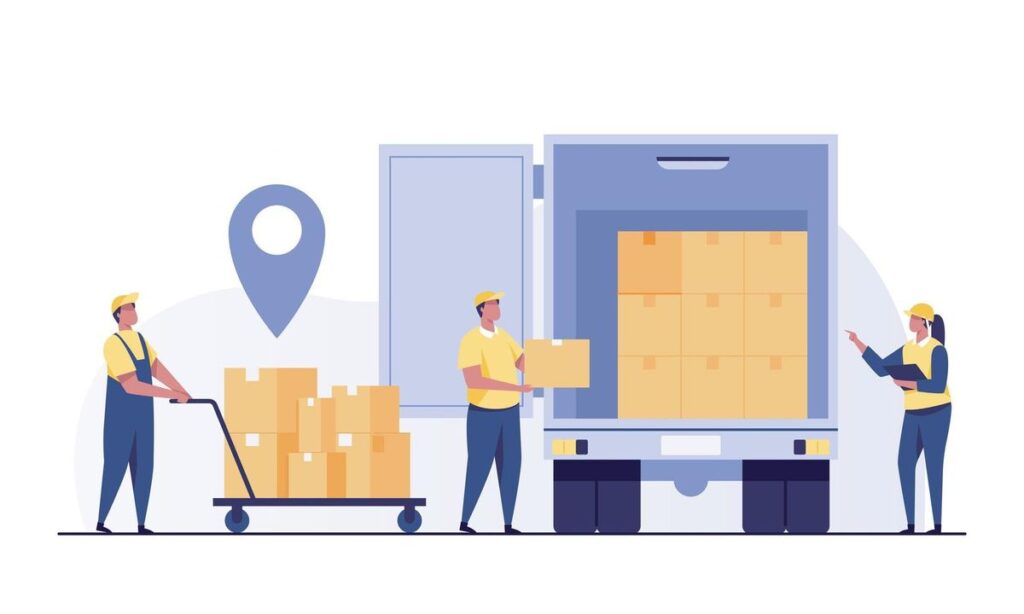
A complete FBA service covers everything needed to move products from your Chinese supplier to Amazon Australia fulfillment centers. Moreover, it handles each step—from pickup to labeling—ensuring smooth compliance with Amazon requirements.
Typical FBA Service Components
- Factory pickup & consolidation
- Export customs clearance
- Sea or air freight
- Import handling in Australia
- Labeling, palletizing & carton prep
- Delivery to FBA warehouses in Sydney, Melbourne, Brisbane, or Perth
- Amazon-compliant packaging support
Because Australia’s Amazon network is rapidly expanding, reliable FBA integration is extremely important for marketplace sellers.
2. What Shipping Methods Are Best for FBA Service China to Australia?
Choosing the right transport mode affects transit time, delivery speed, and cost-efficiency. Additionally, Amazon has strict deadlines, making accuracy essential.
| Shipping Method | Average Cost | Transit Time | Best For | Pros | Cons |
|---|---|---|---|---|---|
| Air Freight | $6–$10/kg | 5–10 days | Urgent inventory | Fast, stable schedules | Higher cost |
| Express (DHL/UPS/FedEx) | $8–$15/kg | 3–6 days | Samples & small shipments | Fastest & door-to-door | Most expensive |
| Sea Freight LCL | $80–$150/CBM | 14–22 days | Medium shipments | Affordable & flexible | More handling steps |
| Sea Freight FCL | $1,500–$3,200/container | 13–20 days | High-volume sellers | Lowest cost/unit | Requires larger quantity |
3. How Much Does FBA Service China to Australia Cost?
Pricing depends on shipment size, weight, port of entry, and season. However, typical costs fall within predictable ranges.
| Shipment Type | Price Range | Notes |
|---|---|---|
| 20GP Container | $1,500–$2,400 | Best for bulk orders |
| 40GP Container | $2,400–$3,200 | Lowest cost per unit |
| LCL Freight | $80–$150/CBM | Good for SMEs |
| Air Freight | $6–$10/kg | Stable but more costly |
| Express | $8–$15/kg | Fast but expensive |
Additionally, FBA sellers must consider port charges, labeling fees, and local Australian inland transport.
What are you waiting for?
Contact chinatopfreight for a fast, free quote.
Are you ready to book?
Access live instant freight quotes
4. What Is the Transit Time for FBA Service China to Australia?
Transit times vary depending on origin port and freight mode. Fortunately, China–Australia routes are efficient and stable throughout the year.
| China Port | Amazon AU Warehouse | Sea Transit | Air Transit |
|---|---|---|---|
| Shenzhen | Sydney | 13–18 days | 5–8 days |
| Shanghai | Melbourne | 14–20 days | 6–9 days |
| Ningbo | Brisbane | 14–21 days | 5–10 days |
| Qingdao | Perth | 16–22 days | 6–10 days |
Additionally, FBA warehouse appointment scheduling can add 1–3 days.
5. What Documents Do You Need for FBA Service China to Australia?
Accurate documents ensure fast customs clearance and prevent delays at Australian ports.
| Document | Purpose | Required For |
|---|---|---|
| Commercial Invoice | Product details & value | All shipments |
| Packing List | Carton description | All shipments |
| Bill of Lading / Air Waybill | Shipping record | Sea/Air |
| Certificate of Origin | Tariff benefits | Some commodities |
| HS Code Declaration | Customs classification | Required |
| Product Certifications | Compliance proof | Electronics, food, cosmetics |
| FBA Labels | Warehouse identification | Amazon intake |
6. Why Is Compliance Important for FBA Service China to Australia?
Australia has some of the world’s strictest import and biosecurity regulations. Therefore, all goods must meet safety, labeling, and packaging requirements.
Key Compliance Areas
- Correct HS codes & product descriptions
- Accurate customs valuation
- Biosecurity (Department of Agriculture) checks
- Testing for electronics & battery products
- Amazon FBA carton labeling rules
- No banned substances or materials
Moreover, inaccurate labeling often causes delays or costly rework at FBA warehouses.
7. How Do You Prepare Products for Amazon FBA Australia?
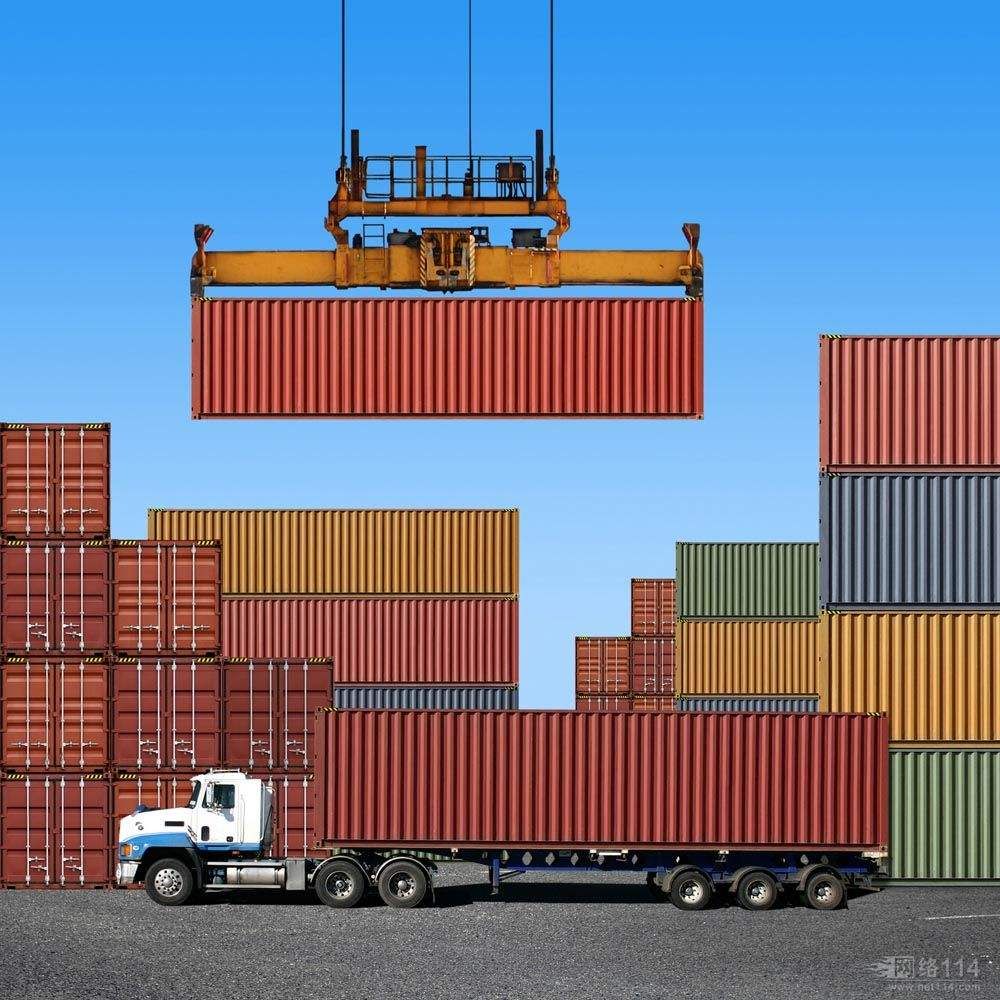
Preparing products in China saves time and cost. Additionally, proper prep helps avoid noncompliance penalties at Amazon warehouses.
FBA Preparation Requirements
- FNSKU labels on each unit
- Carton labels for warehouse intake
- Strong export cartons
- Poly bags with suffocation warnings
- Palletization to Australian standards
- Removal of old barcodes
- Proper bubble wrap for fragile items
Moreover, meeting Amazon’s packaging standards reduces damage claims.
8. What Are the Pros and Cons of Sea vs Air for FBA Shipping?
Both modes offer different advantages depending on your timeline and budget.
| Mode | Pros | Cons |
|---|---|---|
| Sea Freight | Lowest cost, suitable for bulk inventory | Longer transit |
| Air Freight | Fast & predictable | Higher price |
| Express | Fastest & hassle-free | Very expensive |
| LCL Sea | Flexible & affordable | More handling, slight delays |
9. Can You Use DDP Shipping for FBA Service China to Australia?
Yes. DDP (Delivered Duty Paid) is extremely popular among Amazon sellers because it simplifies the entire process.
Benefits of DDP for Amazon FBA
- Duties & GST included
- No need to act as importer of record
- Door-to-door handling by the forwarder
- Predictable total cost
- Faster customs clearance
However, for high-value or restricted goods, importers may still need to provide documentation.
10. How Can You Reduce Costs for FBA Service China to Australia?
A smart strategy reduces inventory expenses and improves profit margins.
Cost-Reduction Techniques
- Ship early to avoid peak surcharges
- Combine shipments to reduce LCL fees
- Request factory consolidation
- Use FCL for large orders
- Optimize carton dimensions to reduce volumetric weight
- Choose Air + Sea hybrid solutions
- Work with an experienced FBA freight forwarder
Additionally, regular forecasting helps avoid expensive emergency air shipments.
Conclusion
Managing fba service China to Australia requires careful planning, compliance with Amazon standards, and selecting the right freight method for each shipment. However, by preparing products correctly, choosing between air and sea freight strategically, and ensuring all customs documents are accurate, sellers can maintain a stable supply chain and reduce costs. Whether shipping small cartons or full containers, partnering with a reliable FBA freight specialist ensures smooth, timely delivery to Amazon warehouses across Australia.
FAQ
1. Do I need to register as an importer to ship to Amazon Australia?
Not always. With DDP shipping, the freight forwarder handles duties, taxes, and customs formalities, allowing sellers to avoid importer registration.
2. How early should I ship to avoid FBA stockouts in Australia?
Most sellers ship 30–45 days in advance. This buffer prevents stockouts during peak demand and avoids costly last-minute air shipments.
3. Are batteries allowed in FBA shipments to Australia?
Yes, but they must meet UN38.3 and other safety standards. Proper packaging, labeling, and MSDS documentation are required before shipping.
4. Can I send products to multiple Amazon warehouses in one shipment?
Yes. The forwarder can split shipments by warehouse destination, ensuring accurate delivery to Sydney, Melbourne, Brisbane, or Perth FBA centers.
5. Does Amazon require specific pallet sizes in Australia?
Yes. Australia uses CHEP-sized pallets (1165×1165mm). Proper palletization helps prevent rework and reduces intake delays at FBA warehouses.