

FBA Service China to Middle East: Your Ultimate Shipping Guide
Expanding your Amazon FBA business into the Middle East requires a robust and efficient shipping strategy from China. Understanding the complexities of international logistics is crucial for success. This comprehensive guide, brought to you by China Top Freight, will help you navigate the process, ensuring your products reach Amazon’s fulfillment centers seamlessly.
What is FBA Service from China to the Middle East?
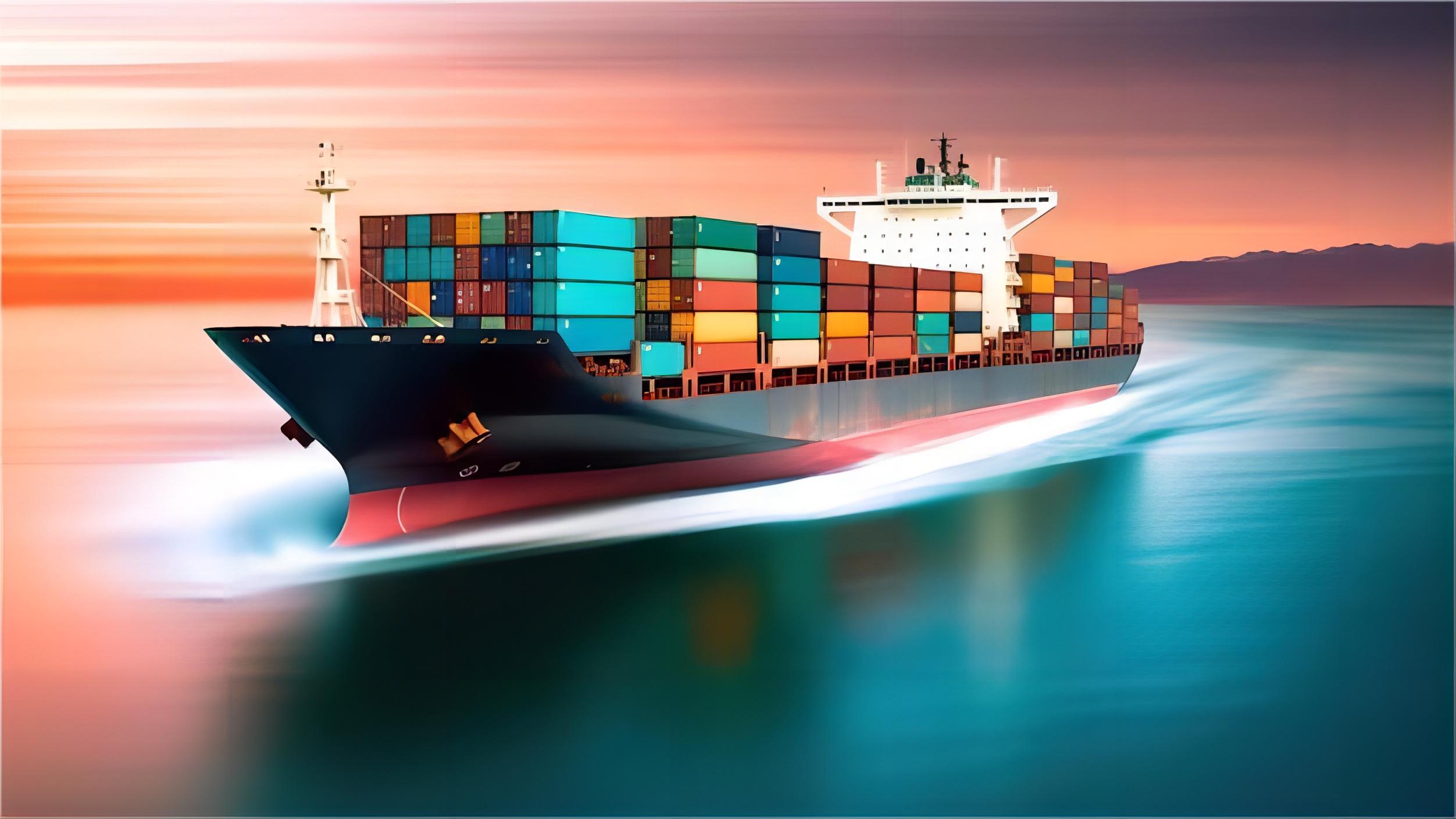
FBA service from China to the Middle East involves transporting products from Chinese manufacturers directly to Amazon’s Fulfillment By Amazon (FBA) warehouses in countries like UAE or Saudi Arabia. This process requires careful coordination, detailed documentation, and adherence to specific Amazon requirements.
Ultimately, this service enables Amazon sellers to leverage Amazon’s robust logistics network for storage, picking, packing, and shipping to end customers. Consequently, sellers can focus more on sales and marketing rather than operational complexities.
Why is FBA Shipping to the Middle East Important for Sellers?
The Middle East, particularly the UAE and Saudi Arabia, presents a rapidly growing e-commerce market with high consumer spending power. Therefore, expanding your FBA operations into this region can unlock significant sales opportunities and diversify your market presence.
Moreover, by utilizing Amazon FBA, sellers benefit from Amazon’s trusted brand, fast delivery options, and customer service. This strategy enhances customer satisfaction and helps build brand loyalty in a competitive landscape.
How Does FBA Service China to Middle East Work?
The FBA shipping process typically begins with product sourcing and manufacturing in China. Once products are ready, they must be properly inspected, packaged, and labeled according to Amazon’s strict guidelines. This includes specific FNSKU labels and carton labels.
Next, a reliable freight forwarder consolidates your cargo and arranges for international transportation. Upon arrival in the Middle East, customs clearance procedures are managed, and applicable duties and taxes are paid. Finally, the goods are delivered to the designated Amazon FBA warehouse. Efficient handling of each step is paramount for timely delivery.
Key Shipping Methods for FBA from China to the Middle East
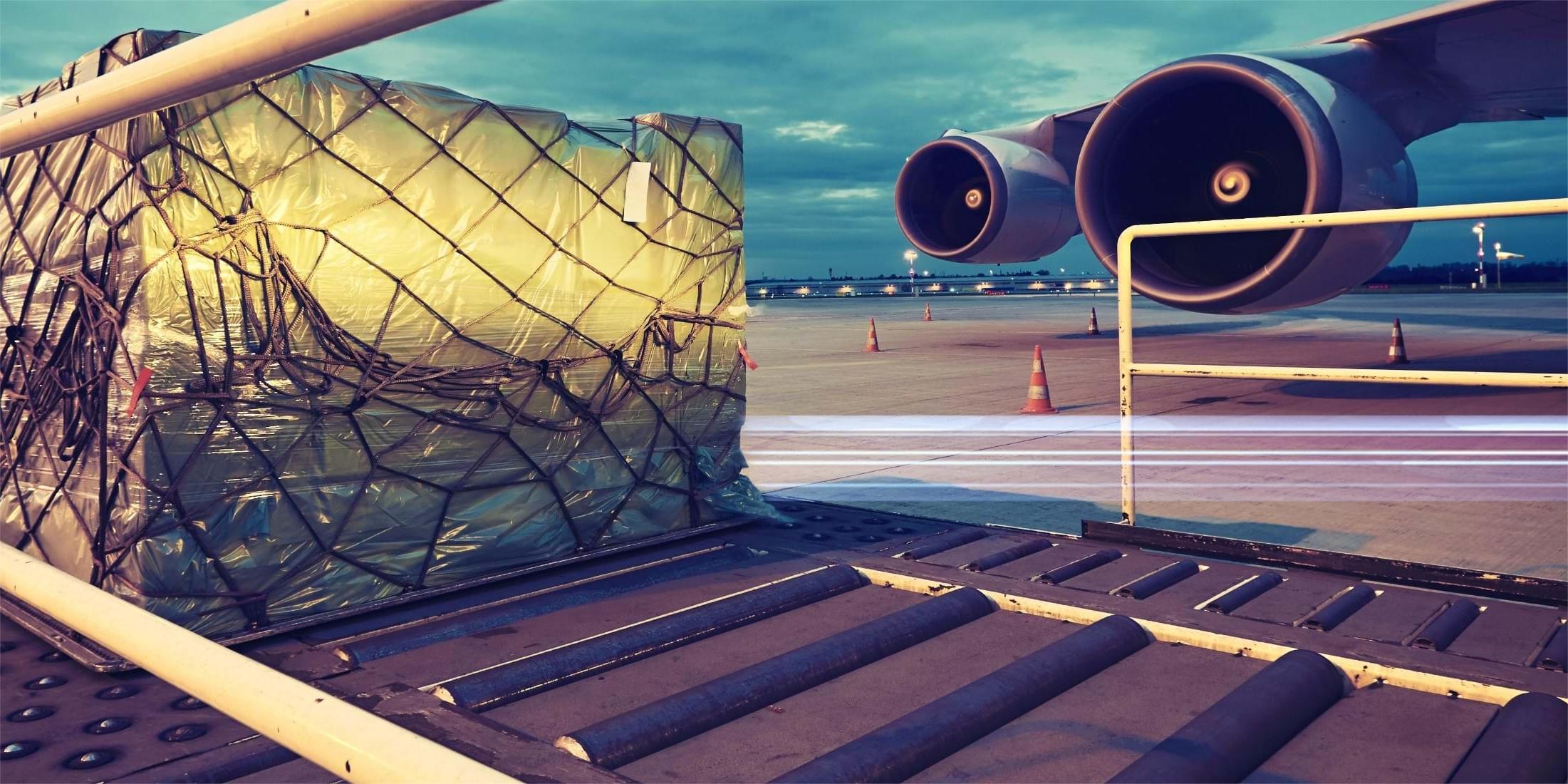
Choosing the right shipping method is crucial for balancing speed, cost, and cargo requirements. Two primary methods dominate the China to Middle East route: sea freight and air freight. Each offers distinct advantages depending on your specific needs.
Consider your inventory turnover rate, product value, and urgency when making this decision. Optimal selection helps manage your FBA shipping costs and delivery schedule effectively.
| Shipping Method | Cost Range (per kg) | Transit Time | Best For | Limitations |
|---|---|---|---|---|
| Sea Freight (LCL) | $0.50 – $1.50 | 25-35 days | Large, heavy, non-urgent goods | Long transit times, less flexibility |
| Sea Freight (FCL) | $0.20 – $0.80 | 25-35 days | Very large volumes, bulk orders | High upfront cost, not suitable for small volumes |
| Air Freight | $3.00 – $6.00 | 5-7 days | Urgent, high-value, small shipments | High cost, weight/size restrictions |
| Express Service | $6.00 – $15.00 | 2-4 days | Samples, very small, critical shipments | Highest cost, strict size/weight limits |
Sea Freight
Sea freight is generally the most cost-effective option for large or heavy shipments. Although transit times are longer, it offers significant savings, especially for non-urgent inventory replenishment. You can choose between Full Container Load (FCL) or Less than Container Load (LCL).
For example, a 40-foot container from Shanghai to Jebel Ali (Dubai) might take 25-35 days. This method is ideal for bulk orders and stable products with predictable demand. Explore sea freight options for your large volume needs.
Air Freight
Air freight offers significantly faster transit times, making it suitable for high-value, time-sensitive, or smaller shipments. While more expensive, it helps maintain lean inventory levels and quickly respond to market demands. Air cargo from China to Dubai usually arrives within 5-7 days.
This method is often preferred for new product launches, urgent stock replenishments, or products with short shelf lives. For rapid delivery, consider air freight services.
Navigating Customs and Documentation for Middle East FBA
Customs clearance is a critical step in the FBA shipping process. In fact, incorrect documentation can lead to significant delays and additional costs. Therefore, meticulous preparation is essential to ensure smooth entry into Middle Eastern countries.
Key documents typically include the commercial invoice, packing list, bill of lading (for sea freight) or air waybill (for air freight), certificate of origin, and potentially product-specific certifications. Engaging a freight forwarder with expertise in Middle East customs is highly recommended. Learn more about customs brokerage here.
Essential Documents Checklist
Preparing all necessary paperwork correctly and in advance minimizes potential issues. This checklist outlines the common documents required for FBA shipments to the Middle East.
| Document | Purpose | Notes |
|---|---|---|
| Commercial Invoice | Details goods, value, seller/buyer | Accurate valuation for duties |
| Packing List | Details contents of each package | Matches invoice, aids inspection |
| Bill of Lading / Air Waybill | Contract between shipper and carrier | Proof of shipment, tracking |
| Certificate of Origin | Confirms country of manufacture | May impact duty rates |
| Product Certificates (e.g., SASO) | Ensures compliance with local standards | Mandatory for certain products in Saudi Arabia |
Duties, Taxes, and Import Regulations
Import duties and Value Added Tax (VAT) are applicable in most Middle Eastern countries. For instance, the UAE has a 5% VAT and varying import duties. Saudi Arabia also applies VAT and duties.
Crucially, Amazon requires FBA shipments to be delivered with duties and taxes paid (DDP – Delivered Duty Paid). This means the seller, or their appointed agent, is responsible for all import costs. Failure to comply can result in refusal of shipment by Amazon. Consider a door to door service for DDP shipments.
Optimizing Your FBA Logistics: Tips and Best Practices
Effective logistics management is key to successful FBA operations. Implementing best practices can significantly reduce costs, minimize delays, and improve overall supply chain efficiency. Moreover, continuous optimization helps you stay competitive.

Therefore, focus on supplier communication, packaging quality, and choosing the right freight partner. These elements form the backbone of a streamlined FBA process.
Choosing a Reliable Freight Forwarder
Selecting an experienced freight forwarder is paramount. They should have a proven track record in FBA shipping to the Middle East, understand Amazon’s requirements, and offer comprehensive services. Look for partners providing end-to-end solutions, including customs clearance and last-mile delivery to Amazon warehouses.
A good forwarder provides transparency on freight rates, transit time estimates, and potential challenges. For example, Amazon FBA logistics experts can simplify the entire process.
Packaging and Labeling Compliance
Amazon has stringent rules for packaging and labeling. Products must be securely packed to withstand international transit, and each item needs a scannable FNSKU label. Additionally, master cartons require specific Amazon shipment labels.
Non-compliance can lead to Amazon refusing your shipment, charging penalties, or delaying inventory processing. Always ensure your supplier or freight forwarder is well-versed in these requirements.
Inventory Management and Timing
Effective inventory management prevents stockouts and reduces storage costs. Plan your shipments well in advance, considering manufacturing lead times, international transit times, and Amazon’s receiving times. Utilize sales data to forecast demand accurately.
Furthermore, be aware of peak seasons and holidays in both China and the Middle East, which can impact shipping costs and transit times. Adjust your delivery schedule accordingly to avoid disruptions.
Real-World Case Studies: FBA Service China to Middle East
These case studies illustrate successful FBA shipments from China to the Middle East, showcasing various scenarios and logistics solutions. They highlight practical aspects of managing FBA inventory and overcoming common challenges.
Case Study 1: Consumer Electronics to UAE
| Detail | Value |
|---|---|
| Route | Shenzhen, China -> Jebel Ali, UAE |
| Cargo | Smartwatches, 5 CBM, 1200 kg |
| Container | LCL 5 CBM |
| Shipping Details | |
| – Carrier/Service | Major LCL consolidator |
| – Port of Loading | Shenzhen |
| – Port of Discharge | Jebel Ali |
| – Route Type | Direct |
| Cost Breakdown (Based on Q3 2024 market rates) | |
| – Ocean Freight | $450 (90/CBM) |
| – Origin Charges (THC, documentation) | $180 |
| – Destination Charges | $250 |
| – Customs & Duties (estimated) | $500 |
| – Total Landed Cost | $1380 |
| Timeline | |
| – Booking to Loading | 5 days |
| – Sea Transit | 28 days |
| – Customs Clearance | 3 days |
| – Total Door-to-Door | 36 days |
| Key Insight | Efficient LCL consolidation and clear customs documentation prevented delays for this tech product. |
Case Study 2: Home Goods to Saudi Arabia
| Detail | Value |
|---|---|
| Route | Ningbo, China -> Jeddah, Saudi Arabia |
| Cargo | Kitchenware, 20 CBM, 3500 kg |
| Container | 40GP |
| Shipping Details | |
| – Carrier/Service | COSCO |
| – Port of Loading | Ningbo |
| – Port of Discharge | Jeddah |
| – Route Type | Direct |
| Cost Breakdown (Typical rates as of early 2025) | |
| – Ocean Freight | $3200 |
| – Origin Charges (THC, documentation) | $400 |
| – Destination Charges | $550 |
| – Customs & Duties (estimated) | $1200 |
| – Total Landed Cost | $5350 |
| Timeline | |
| – Booking to Loading | 7 days |
| – Sea Transit | 32 days |
| – Customs Clearance | 4 days |
| – Total Door-to-Door | 43 days |
| Key Insight | Utilizing FCL for a full container provided significant per-unit cost savings despite longer transit. Pre-clearing SASO certification was crucial. |
Case Study 3: Fashion Apparel to Qatar (Urgent)
| Detail | Value |
|---|---|
| Route | Guangzhou, China -> Doha, Qatar |
| Cargo | Seasonal clothing, 1.5 CBM, 250 kg |
| Container | Air Cargo |
| Shipping Details | |
| – Carrier/Service | Cathay Pacific Cargo |
| – Port of Loading | Guangzhou (CAN) |
| – Port of Discharge | Doha (DOH) |
| – Route Type | Direct |
| Cost Breakdown (Based on Q1 2025 market rates) | |
| – Air Freight | $1250 (5/kg) |
| – Origin Charges | $100 |
| – Destination Charges | $150 |
| – Customs & Duties (estimated) | $250 |
| – Total Landed Cost | $1750 |
| Timeline | |
| – Booking to Loading | 2 days |
| – Air Transit | 4 days |
| – Customs Clearance | 1 day |
| – Total Door-to-Door | 7 days |
| Key Insight | Air freight allowed for rapid market entry for a new fashion line, capitalizing on seasonal demand despite the higher cost. |
How Does FBA Service China to Middle East Compare to Other Shipping Options?
When considering FBA service from China to the Middle East, understanding the landscape of various shipping methods is vital. Each option presents a unique balance of cost, speed, and capacity. Selecting the appropriate method profoundly impacts your profitability and customer satisfaction.
Therefore, comparing sea freight, air freight, and express services against your specific business requirements is essential. This analysis helps optimize your supply chain.
Comparative Analysis: Sea vs. Air vs. Express
Sea freight remains the backbone for bulk shipments, offering the lowest per-unit cost. However, its extended transit times demand meticulous planning. Air freight provides speed and flexibility, albeit at a premium price, suitable for urgent or high-value goods.
Express service, often handled by integrators like DHL or FedEx, offers the fastest door-to-door delivery for small packages, ideal for samples or emergency replenishments. This service, however, comes with the highest cost per kilogram.
| Shipping Method | Cost Range (per kg) | Transit Time | Best For | Limitations |
|---|---|---|---|---|
| Sea Freight (LCL) | $0.50 – $1.50 | 25-35 days | Cost-sensitive, non-urgent, medium volumes | Slow, potential for delays, less control |
| Sea Freight (FCL) | $0.20 – $0.80 | 25-35 days | Large, bulk orders, maximizing container space | Long transit, higher fixed cost, not for small volumes |
| Air Freight | $3.00 – $6.00 | 5-7 days | Urgent, high-value, smaller shipments, new product launches | Higher cost, weather-dependent, cargo restrictions |
| Express Service | $6.00 – $15.00 | 2-4 days | Very urgent, samples, small packages, documents | Highest cost, strict weight/size limits, not for bulk |
Alternative Strategies and Hybrid Solutions
For businesses with fluctuating demands, consider a hybrid approach. For example, use air freight for initial stock or urgent refills, and sea freight for regular, larger replenishments. This strategy balances speed and cost effectively.
Another alternative involves utilizing different port options within China or the Middle East to optimize transit times or reduce local transport costs. Furthermore, exploring consolidation services for LCL shipments can reduce costs for smaller volumes.
Which Option Should You Choose?
Your decision framework should prioritize your business goals. If budget is your primary concern and you have ample lead time, sea freight is undoubtedly the most economical choice. Conversely, if speed is paramount for a new product launch or avoiding stockouts, air freight or express service is preferable.
Consider cargo type as well. Fragile or high-value items might benefit from the quicker transit and reduced handling of air freight. Volume thresholds are also important; for shipments under 15 CBM, LCL might be more economical, whereas anything above could justify an FCL container. Note: Freight rates are subject to change based on fuel costs, carrier capacity, and seasonal demand. Contact us for a current quote tailored to your specific shipment.
Market Insights and Future Trends for FBA Middle East
The e-commerce landscape in the Middle East is dynamic, characterized by rapid growth and evolving consumer preferences. Staying informed about market intelligence and logistics trends is crucial for any FBA seller. This proactive approach helps anticipate challenges and capitalize on opportunities.
For instance, the rise of digital payments and improved logistics infrastructure continues to fuel online shopping. Consequently, demand for efficient FBA service China to Middle East will only increase.
Growth of E-commerce in the Middle East
According to industry benchmarks, the Middle East and North Africa (MENA) e-commerce market is projected to continue its strong upward trajectory. Countries like the UAE and Saudi Arabia are leading this growth, driven by high internet penetration and a young, digitally savvy population.
This expansion translates into greater demand for efficient Amazon FBA services. Sellers who establish a strong presence early stand to gain significant market share.
Logistics Challenges and Solutions
Despite growth, logistics challenges persist, including varying customs regulations across different Middle Eastern countries and potential port congestion during peak seasons. Furthermore, the vast geographical distances within the region can impact last-mile delivery times.
Solutions involve partnering with freight forwarders who possess deep local knowledge and strong networks. They can navigate complex regulations and offer optimized routes, ensuring your FBA shipments overcome these hurdles effectively.
Seasonal Patterns and Rate Fluctuations
Shipping rates and transit times are often influenced by seasonal patterns. For example, rates typically increase 15-25% during August-October peak season due to holiday shopping (e.g., Black Friday, Christmas). Similarly, Chinese New Year causes significant factory closures and shipping delays.
Based on current market rates, planning shipments outside these peak periods or booking well in advance can help mitigate increased costs and potential delays. Market data suggests flexibility is key to managing freight rates.
Conclusion: Master Your FBA Service China to Middle East Shipments
Successfully navigating FBA service China to Middle East requires strategic planning, adherence to Amazon’s guidelines, and a reliable logistics partner. By understanding the various shipping methods, mastering customs documentation, and optimizing your supply chain, you can unlock the vast potential of the Middle Eastern e-commerce market.
Indeed, choosing the right freight forwarder is paramount for hassle-free operations. Ultimately, a well-executed FBA strategy ensures your products are consistently in stock and ready for sale, driving growth for your Amazon business.
Get Your Shipping Quote Today
Ready to streamline your FBA service China to Middle East logistics? Contact China Top Freight today for a personalized consultation and a competitive quote. Our experts are here to help you navigate every step of the shipping process, ensuring your products arrive at Amazon FBA warehouses efficiently and affordably.
Request Quote