

FCL Shipping China to Germany: Your Complete Guide
Businesses importing from China to Germany often face complex logistics. Full Container Load (FCL) shipping offers a robust solution for larger volumes, ensuring efficiency and security. This comprehensive guide from China Top Freight provides essential insights into optimizing your FCL shipments, helping you navigate costs, transit times, and regulations effectively.
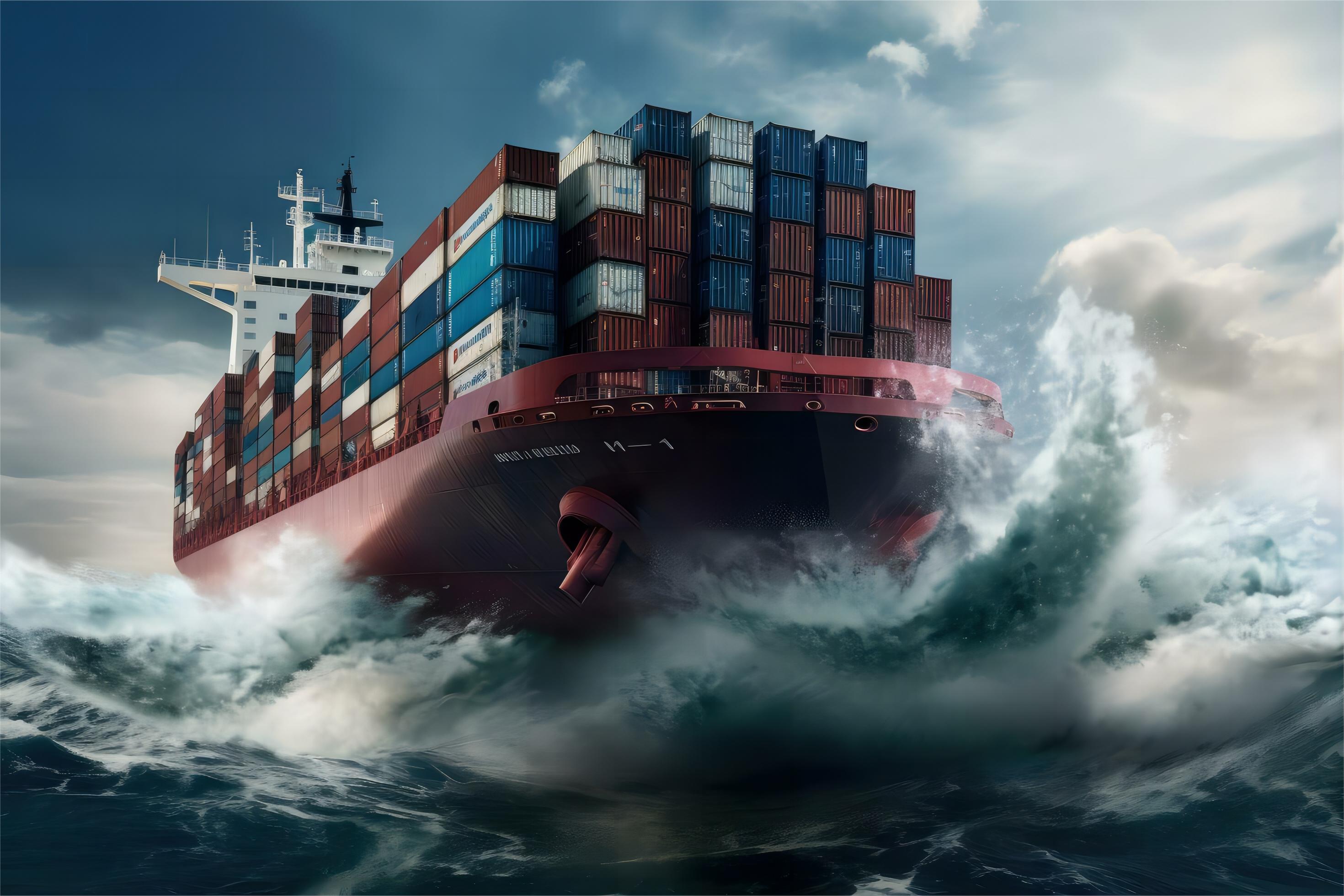
What is FCL Shipping and Why Choose It for Germany?
FCL, or Full Container Load, refers to shipping cargo that occupies an entire container exclusively. Consequently, your goods are not consolidated with other shippers’ items, offering enhanced security and efficiency. This method is particularly advantageous for businesses with sufficient volume to fill a 20-foot (20GP) or 40-foot (40GP/40HQ) container.
Choosing FCL shipping from China to Germany provides numerous benefits. For example, it significantly reduces the risk of damage or loss since cargo is handled less frequently. Furthermore, FCL often leads to faster transit times compared to Less than Container Load (LCL) shipments, as there are no delays for consolidation or deconsolidation at ports. Therefore, for high-volume or sensitive goods, FCL remains the preferred choice.
Ultimately, FCL shipping offers a dedicated space for your goods, ensuring direct transit from origin to destination. This minimizes potential delays and provides greater control over your supply chain. Moreover, it can be more cost-effective per unit for larger shipments, especially when freight rates are stable.
Key Routes and Ports for FCL Shipping China to Germany
When planning your sea freight journey from China to Germany, understanding the primary ports is crucial. Major Chinese ports like Shanghai, Ningbo, and Shenzhen are global hubs, offering extensive carrier options and frequent sailings. These ports handle a vast majority of the FCL shipping volume destined for Europe.
Conversely, Germany’s key ports, primarily Hamburg and Bremerhaven, serve as crucial entry points. Hamburg, in particular, is one of Europe’s largest and busiest ports, equipped to handle high volumes of container traffic efficiently. Bremerhaven also plays a significant role, especially for automotive logistics and general cargo.
Most FCL shipments from China to Germany follow established sea routes, often taking a direct path or involving transshipment through major hubs like Singapore or Port Klang. Direct routes are generally faster and more reliable, though they may sometimes incur slightly higher costs. Nevertheless, transshipment can offer competitive rates, especially during peak seasons or for less time-sensitive cargo. Your freight forwarder can advise on the best route for your specific needs.
Understanding FCL Shipping Costs from China to Germany
The total cost for FCL shipping from China to Germany is a complex sum of various components. Firstly, the ocean freight rate forms the largest portion, fluctuating based on container size (20GP, 40GP, 40HQ), carrier, route, and seasonal demand. Rates can range significantly, for instance, from $2,800 to $4,200 for a 40HQ container as of early 2025.
Secondly, origin charges at the Chinese port include terminal handling charges (THC), documentation fees, and local trucking if applicable. These charges are typically paid by the shipper. Similarly, destination charges in Germany cover THC, customs clearance fees, and potentially drayage to your final warehouse. Additionally, various surcharges like Bunker Adjustment Factor (BAF) and Peak Season Surcharge (PSS) can impact the final price.
Market data suggests that freight rates are subject to change based on fuel costs, carrier capacity, and global economic conditions. Therefore, it is always advisable to obtain a current quote for precise planning. We provide a general overview of typical costs below for reference.
Note: Freight rates are subject to change based on fuel costs, carrier capacity, and seasonal demand. Contact us for a current quote tailored to your specific shipment.
| Cost Component | Description | Typical Range (USD) |
|---|---|---|
| Ocean Freight (40HQ) | Cost for container transport by sea | $3,000 – $4,200 |
| Origin Charges | Terminal Handling, Docs, etc. (China) | $350 – $600 |
| Destination Charges | Terminal Handling, Docs, etc. (Germany) | $400 – $700 |
| Customs Clearance | Brokerage fees in Germany | $150 – $300 |
| Drayage/Trucking | Port to final destination (Germany) | $200 – $800 (varies by distance) |
| Insurance (Optional) | Cargo protection | 0.5% – 1% of cargo value |

Transit Times for FCL Shipments: What to Expect
The transit time for FCL shipping from China to Germany is a critical factor for supply chain planning. Typically, direct sea transit from major Chinese ports to German ports like Hamburg or Bremerhaven ranges from 28 to 35 days. However, this is just the ocean leg.
Several factors can influence the total delivery schedule. For instance, port congestion at either end, adverse weather conditions, and carrier service routes (direct vs. transshipment) can all add days to the journey. Furthermore, customs clearance processes in Germany also contribute to the overall timeline.
Booking to loading can take an additional 3-7 days, depending on container availability and warehouse logistics. Subsequently, post-arrival processes, including customs and local delivery, can add another 3-7 days. Therefore, a realistic door-to-door estimate for FCL shipping China to Germany is often 35-45 days, particularly if using a comprehensive door-to-door service.
To illustrate, here’s a general overview of transit times:
| Origin Port (China) | Destination Port (Germany) | Sea Transit Time (Days) | Total Door-to-Door (Days) |
|---|---|---|---|
| Shanghai | Hamburg | 30-35 | 38-45 |
| Ningbo | Bremerhaven | 28-33 | 35-42 |
| Shenzhen | Hamburg | 28-32 | 35-40 |
| Qingdao | Bremerhaven | 32-37 | 40-47 |
Navigating Customs and Documentation for Germany Imports
Successful FCL shipping to Germany hinges on meticulous customs clearance and accurate documentation. The process involves several key documents that must be prepared correctly to avoid delays and penalties. Missing or incorrect paperwork is a common reason for shipment hold-ups, consequently impacting your delivery schedule.
Essential documents typically include the Commercial Invoice, Packing List, Bill of Lading (B/L), and Certificate of Origin. Furthermore, depending on the cargo type, additional licenses, permits, or certificates (e.g., CE marking for certain products, phytosanitary certificates for agricultural goods) may be required. Ensuring all documents comply with German import regulations is paramount.
The customs clearance process in Germany is streamlined but requires precision. Upon arrival, your freight forwarder or customs brokerage partner submits the necessary documents electronically to the German customs authorities. They calculate duties, taxes (like VAT), and any applicable tariffs. Once duties are paid and clearance is granted, your cargo can be released for onward transportation. Partnering with an experienced broker is highly recommended to navigate these complexities smoothly.
How Does FCL Shipping to Germany Compare to Other Options?
While FCL shipping is highly effective for large volumes, other methods exist for importing from China to Germany. Each option presents distinct advantages and limitations regarding cost, speed, and suitability for different cargo types. Consequently, understanding these alternatives is vital for making informed logistics decisions.
LCL (Less than Container Load) shipping is ideal for smaller shipments that don’t fill an entire container. However, it typically involves longer transit times due to consolidation and deconsolidation processes. Air freight offers the fastest transit, usually 5-7 days, but at a significantly higher cost, making it suitable only for urgent or high-value, low-volume goods. Meanwhile, rail freight presents a balanced option, faster than sea and cheaper than air, with transit times often between 15-20 days, connecting major hubs.

Consider this comparison for a clearer perspective on each method:
| Shipping Method | Cost Range (40HQ equivalent) | Transit Time (Days) | Best For | Limitations |
|---|---|---|---|---|
| FCL Sea Freight | $3,000 – $4,200 | 28-35 (port-to-port) | Large volumes, cost-effective, non-urgent | Slowest transit, port congestion risks |
| LCL Sea Freight | $50-80/CBM | 35-45 (port-to-port) | Small volumes (under 15 CBM), cost-effective | Longer transit due to consolidation, more handling |
| Air Freight | $15,000 – $25,000 (for similar volume) | 5-7 (airport-to-airport) | Urgent, high-value, perishable goods | Very expensive, limited volume/weight |
| Rail Freight | $7,000 – $10,000 (40HQ) | 15-20 (terminal-to-terminal) | Medium urgency, balanced cost/speed | Fixed routes, less flexibility, weather impact |
Which Shipping Option Should You Choose? A Decision Framework
Selecting the optimal shipping method for your goods from China to Germany depends heavily on your priorities. For instance, if budget is your primary concern and time is less critical, FCL sea freight is almost always the most cost-effective solution for large volumes. This is particularly true for durable goods with long shelf lives.
Conversely, if speed is paramount, perhaps for time-sensitive products or urgent market launches, air freight is the undisputed champion, despite its higher cost. For a middle-ground approach, offering a balance of speed and affordability, rail freight presents an excellent alternative. It significantly reduces transit time compared to sea freight without the exorbitant costs of air cargo.
Furthermore, cargo type considerations play a vital role. Perishable goods, for example, typically require air freight or specialized refrigerated containers via sea or rail. Volume thresholds also dictate choices; for shipments exceeding 15-20 CBM, FCL becomes more economical than LCL. Hybrid solutions, combining rail and sea or air and sea, can also offer tailored benefits for specific supply chain needs, blending speed and cost-efficiency where appropriate.
Optimizing Your FCL Supply Chain for China to Germany
To ensure a smooth and efficient FCL shipping experience, optimizing your supply chain is essential. Firstly, careful carrier selection is vital; choose reputable carriers known for their reliability on the China-Europe route. Booking strategies also matter; booking well in advance, especially during peak seasons, can secure better rates and ensure container availability, thereby avoiding potential delays.
Secondly, consider comprehensive cargo insurance to protect against unforeseen events during transit. While FCL offers greater security, accidents can still occur, and insurance provides financial peace of mind. Furthermore, utilizing advanced tracking systems allows you to monitor your shipment’s progress in real-time, enhancing transparency and enabling proactive problem-solving.
Finally, for maximum convenience and efficiency, opting for a comprehensive door-to-door service simplifies the entire process. This service handles everything from pickup at your supplier’s factory in China to final delivery at your warehouse in Germany, streamlining logistics and reducing administrative burden. It truly offers end-to-end solutions for your FCL needs.
Case Studies: Successful FCL Shipments to Germany
Exploring real-world examples helps illustrate the practicalities and benefits of FCL shipping from China to Germany. These case studies highlight diverse cargo types, routes, and challenges, providing valuable insights into effective logistics strategies. They demonstrate how careful planning and expert execution lead to successful deliveries.
Based on Q3 2024 market rates, these examples reflect typical scenarios. While specific costs and times can vary, the underlying principles remain consistent. Understanding these scenarios can help you better plan your own import operations, identifying potential efficiencies and mitigating risks. Each case offers a unique perspective on managing full container load shipments.
Case Study 1: Consumer Electronics from Shenzhen to Hamburg
This case involved a German electronics distributor importing a large batch of consumer gadgets. The priority was cost-effectiveness while ensuring secure transit for sensitive goods. FCL proved to be the ideal choice for this high-volume, relatively robust cargo.
| Detail | Description |
|---|---|
| Route | Shenzhen, China -> Hamburg, Germany |
| Cargo | Consumer Electronics, 60 CBM, 12,000 kg |
| Container | 1 x 40HQ |
| Shipping Details | Carrier: Maersk, Port of Loading: Yantian, Port of Discharge: Hamburg, Route Type: Direct |
| Cost Breakdown | Ocean Freight: $3,850, Origin Charges: $550, Destination Charges: $650, Customs & Duties (est): $1,200, Total Landed Cost: $6,250 |
| Timeline | Booking to Loading: 5 days, Sea Transit: 30 days, Customs Clearance: 3 days, Total Door-to-Door: 40 days |
| Key Insight | Direct route ensured minimal handling, reducing damage risk for electronics. Pre-cleared customs documentation expedited German entry. |
Case Study 2: Industrial Machinery from Shanghai to Bremerhaven
A German manufacturing company required a new piece of industrial machinery, which was both heavy and oversized. Given its value and bulk, FCL shipping was the only viable and secure option. Precision in cargo handling and timely delivery were paramount for their production schedule.
| Detail | Description |
|---|---|
| Route | Shanghai, China -> Bremerhaven, Germany |
| Cargo | Industrial Machine Parts, 25 CBM, 20,000 kg |
| Container | 1 x 20GP (heavy cargo) |
| Shipping Details | Carrier: COSCO, Port of Loading: Shanghai, Port of Discharge: Bremerhaven, Route Type: Transshipment via Singapore |
| Cost Breakdown | Ocean Freight: $2,100, Origin Charges: $480, Destination Charges: $580, Customs & Duties (est): $1,500, Total Landed Cost: $4,660 |
| Timeline | Booking to Loading: 7 days, Sea Transit: 35 days, Customs Clearance: 4 days, Total Door-to-Door: 48 days |
| Key Insight | Choosing transshipment via Singapore offered a cost saving of ~10% compared to direct, despite adding 5 days to transit. Specialized heavy-lift equipment needed at both ports. |
Case Study 3: Textiles and Apparel from Ningbo to Hamburg
This scenario involved a fashion retailer importing seasonal collections. The challenge was managing a large volume of cartons efficiently before the peak sales period. FCL allowed for bulk transport, ensuring goods arrived in time for market demands.
| Detail | Description |
|---|---|
| Route | Ningbo, China -> Hamburg, Germany |
| Cargo | Textiles and Apparel, 55 CBM, 8,000 kg |
| Container | 1 x 40HQ |
| Shipping Details | Carrier: MSC, Port of Loading: Ningbo, Port of Discharge: Hamburg, Route Type: Direct |
| Cost Breakdown | Ocean Freight: $3,600, Origin Charges: $520, Destination Charges: $600, Customs & Duties (est): $1,000, Total Landed Cost: $5,720 |
| Timeline | Booking to Loading: 4 days, Sea Transit: 32 days, Customs Clearance: 3 days, Total Door-to-Door: 39 days |
| Key Insight | Booking during a shoulder season (late Q1) avoided peak season surcharges, optimizing overall freight rates. Efficient coordination with the German distribution center minimized port dwell time. |
Partnering with a Reliable Freight Forwarder
Navigating the complexities of FCL shipping from China to Germany demands expertise. A reliable freight forwarder acts as your crucial partner, simplifying the entire logistics process. They handle everything from booking cargo space and managing documentation to coordinating customs clearance and local delivery.
Choosing an experienced forwarder ensures your goods move smoothly and efficiently, minimizing risks and potential delays. They can offer competitive freight rates, advise on optimal routes, and provide real-time tracking, giving you peace of mind. Furthermore, a good partner understands international trade regulations and can help you avoid costly mistakes, protecting your import/export operations.
At China Top Freight, we specialize in comprehensive FCL shipping solutions from China to Germany. We leverage our extensive network and deep industry knowledge to provide tailored services that meet your specific supply chain needs. Our commitment is to deliver your cargo safely, on time, and within budget, making your international shipping experience seamless.

Conclusion
In summary, FCL shipping from China to Germany is a robust and cost-effective solution for businesses moving large volumes of goods. Understanding the intricacies of routes, costs, transit times, and customs documentation is paramount for a successful import operation. While sea freight remains the backbone, alternative methods like rail and air offer flexibility for varying needs.
Ultimately, choosing the right strategy involves balancing budget, speed, and cargo specificities. Partnering with an experienced freight forwarder like China Top Freight significantly simplifies these challenges. We ensure your full container load shipments are managed with expertise, providing reliability and efficiency every step of the way. Therefore, make informed decisions to enhance your supply chain.
Start Your Shipment
Ready to optimize your FCL shipping from China to Germany? Contact China Top Freight today for a personalized consultation and a competitive quote. Our team is prepared to streamline your logistics and ensure your cargo arrives efficiently and securely. Reach out now to discuss your specific shipping requirements.
Request Quote