

Efficient FCL shipping China to Spain is vital for businesses importing bulk goods, machinery, or consumer products. As trade between China and Spain continues to grow, Full Container Load (FCL) shipping remains the most reliable and cost-effective logistics method for stable supply chains. This guide explores the key processes, costs, routes, and documentation needed to ensure your shipment arrives safely and on time.

1. What Is FCL Shipping from China to Spain?
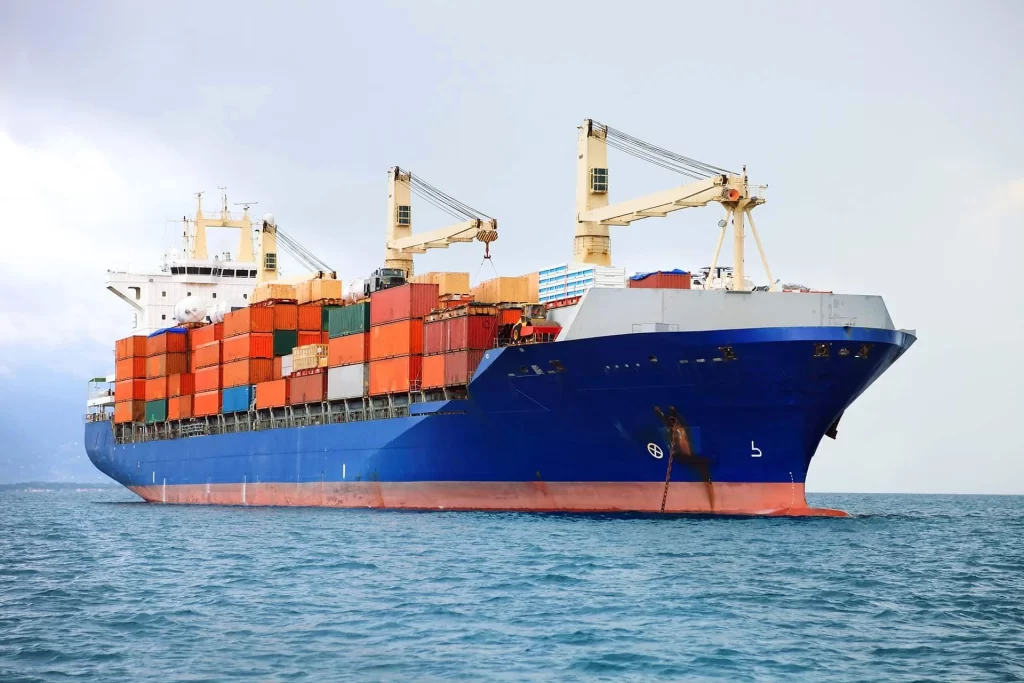
FCL (Full Container Load) shipping means renting an entire container exclusively for your cargo. It’s ideal for bulk, heavy, or high-value shipments where goods do not need to share space with other importers’ items.
In the China–Spain route, FCL shipping ensures better control, faster handling, and reduced risk of damage or contamination—making it the preferred choice for businesses seeking consistency and protection.
| Container Type | Dimensions (L×W×H) | Volume Capacity (CBM) | Ideal Cargo |
|---|---|---|---|
| 20ft Standard | 5.9 × 2.35 × 2.39 m | 33.2 CBM | Small bulk or dense goods |
| 40ft Standard | 12.03 × 2.35 × 2.39 m | 67.7 CBM | Large volume shipments |
| 40ft High Cube | 12.03 × 2.35 × 2.69 m | 76.3 CBM | Light but bulky cargo |
2. Why Choose FCL Shipping from China to Spain?
FCL offers multiple advantages for international importers:
- Cost Efficiency: Lower per-unit freight cost for large volumes.
- Security: No cargo mixing—reduces damage and theft risk.
- Faster Transit: Direct container handling, fewer stops.
- Predictable Scheduling: Regular sailings from major Chinese ports.
- Easier Customs: Simplified clearance under a single Bill of Lading.
Moreover, FCL shipping simplifies logistics planning for long-term inventory management between Chinese suppliers and Spanish distributors.
3. How Long Does FCL Shipping from China to Spain Take?
Transit time depends on the port of origin, shipping route, and destination.
| Origin Port (China) | Destination Port (Spain) | Transit Time (Days) |
|---|---|---|
| Shanghai | Valencia | 28–32 days |
| Ningbo | Barcelona | 30–35 days |
| Shenzhen | Algeciras | 27–30 days |
| Qingdao | Bilbao | 32–36 days |
| Xiamen | Valencia | 30–33 days |
Additionally, customs clearance, loading, and inland trucking can add 3–5 days to total delivery time. Therefore, average door-to-door delivery takes approximately 35–40 days.
4. What Are the Costs of FCL Shipping from China to Spain?
FCL freight rates vary by container size, shipping line, and season. Below is an overview of average rates in 2025:
| Container Type | Average Cost (USD) | Transit Time |
|---|---|---|
| 20ft Container | $2,200 – $2,800 | 30 days |
| 40ft Container | $3,800 – $4,600 | 30 days |
| 40ft High Cube | $4,000 – $4,800 | 30 days |
Other potential costs include:
- Customs fees and VAT (21%)
- Terminal handling charges
- Insurance
- Destination port charges
- Inland delivery (truck or rail)
Booking during off-peak seasons can significantly reduce freight rates.
Are you ready to book?
Access live instant freight quotes
5. What Are the Main Sea Routes from China to Spain?
Spain’s strategic Mediterranean location connects with China through major sea trade routes under the Belt and Road Initiative.
| Route | Main Chinese Ports | Main Spanish Ports | Average Duration |
|---|---|---|---|
| East China Route | Shanghai, Ningbo | Valencia, Barcelona | 28–32 days |
| South China Route | Shenzhen, Guangzhou | Algeciras | 27–30 days |
| North China Route | Qingdao, Tianjin | Bilbao | 33–36 days |
These routes are operated by top shipping lines such as MSC, COSCO, Maersk, CMA CGM, and Evergreen.
6. FCL vs LCL: Which Should You Choose?
| Feature | FCL Shipping | LCL Shipping |
|---|---|---|
| Cargo Volume | Large (≥15 CBM) | Small (<15 CBM) |
| Cost per Unit | Lower | Higher |
| Security | High (exclusive use) | Moderate (shared container) |
| Handling Time | Faster | Slower |
| Customs Process | Single entry | Shared documentation |
Conclusion: If your cargo occupies over 50% of a 20ft container or more than 15 CBM, FCL shipping is more economical and secure.
7. How Is the FCL Shipping Process Managed?
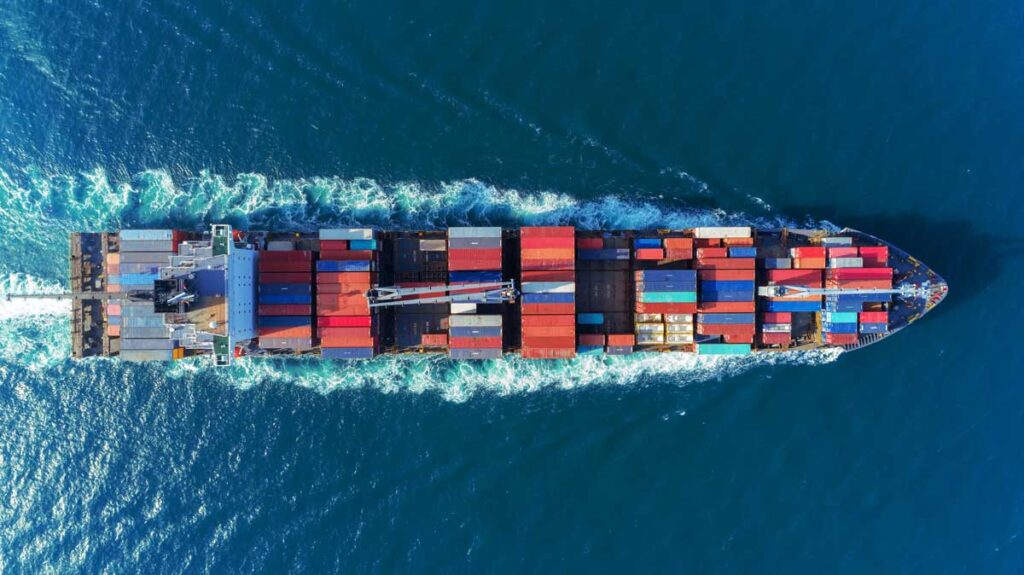
The FCL shipping process involves several well-coordinated steps:
Step-by-Step Process
- Booking & Container Allocation – Your forwarder reserves a container from the carrier.
- Pickup & Loading – Goods are loaded and sealed at the supplier’s warehouse.
- Export Customs Clearance – Documents submitted to Chinese customs.
- Sea Transit – Container sails from China to Spain.
- Arrival & Import Customs – Clearance at Spanish port.
- Inland Transport – Delivery to warehouse or destination.
Each stage can be managed by a professional freight forwarder to save time and reduce errors.
8. What Documents Are Required for FCL Shipping?
| Document | Purpose |
|---|---|
| Bill of Lading | Legal shipping contract and receipt |
| Commercial Invoice | Details product value and buyer/seller info |
| Packing List | Lists goods, dimensions, and weight |
| Certificate of Origin | Confirms manufacturing country |
| Customs Declaration | Mandatory for import/export |
| Insurance Certificate | Protects against damage or loss |
| Importer’s EORI Number (Spain)** | Required for EU customs clearance |
9. How Are Customs Duties and Taxes Calculated?
Spain, as an EU member, applies EU Common Customs Tariff (CCT) and VAT on imported goods.
| Cost Type | Rate/Details |
|---|---|
| Customs Duty | 0–17%, based on HS code |
| VAT (IVA) | 21% standard rate |
| Documentation Fee | €25–€50 (approx.) |
| Port Handling | €150–€250 per container |
Customs duty is based on the CIF value (Cost + Insurance + Freight). Using a customs broker simplifies this calculation.
10. How to Optimize FCL Shipping Costs from China to Spain?
- Book early – Secure better rates by reserving containers in advance.
- Use strategic ports – Choose ports with direct sailings like Shenzhen–Valencia.
- Consolidate suppliers – Combine shipments into one FCL container.
- Work with a reliable forwarder – Avoid hidden costs.
- Negotiate Incoterms (FOB or CIF) – Ensure clear responsibility distribution.
- Plan around peak seasons – Avoid Chinese New Year and holiday congestion.
Additionally, real-time tracking and insurance protect shipments from unexpected disruptions.
Conclusion
Choosing FCL shipping China to Spain offers unmatched cost savings, reliability, and cargo protection for large importers. With fixed container space, predictable transit, and simplified customs clearance, it’s the best option for steady trade flows between Asia and Europe.
By partnering with experts like ChinaTopFreight, you ensure seamless handling, transparent pricing, and punctual delivery—keeping your supply chain strong and competitive.
FAQ
1. What is the average transit time for FCL shipping from China to Spain?
Transit time is usually 28–35 days port-to-port, depending on origin, destination, and shipping line schedule.
2. How do I know if FCL shipping is suitable for my cargo?
If your goods exceed 15 CBM or half a 20ft container, FCL is more cost-effective and secure than LCL shipping.
3. Can I track my FCL container in real time?
Yes. Most shipping lines and freight forwarders provide online tracking platforms for visibility from China to Spain.
4. What are common Incoterms used for China–Spain trade?
The most common are FOB (Free on Board), CIF (Cost, Insurance & Freight), and DDP (Delivered Duty Paid).
5. Do I need insurance for FCL shipping?
It’s highly recommended. Cargo insurance covers potential losses or damage during sea transport.