

- By kelly
- November 27, 2025
- Tips or Guide
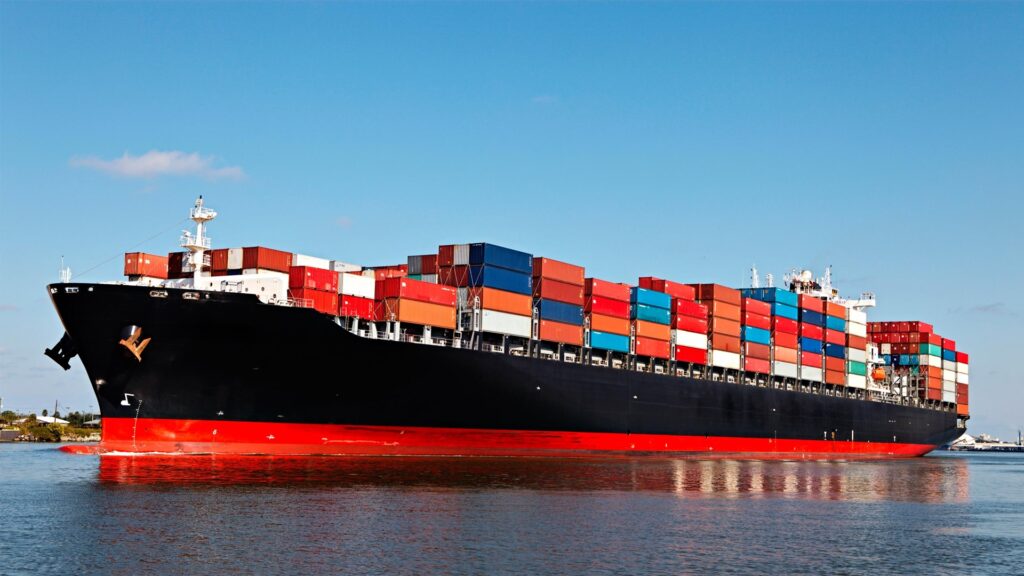
Shipping automotive components across continents requires precision, stability, and predictable schedules. Importers increasingly choose FCL shipping for auto parts from China to Sweden because it offers stronger cargo protection, lower per‑unit costs, and better control over transit time. However, delays, customs issues, and unstable shipping rates remain common challenges. This guide explains everything you need for reliable FCL transport—from costs and transit time to documentation, routing, and supply chain planning.
What Makes FCL Shipping the Ideal Method for Auto Parts from China to Sweden?
Shipping automotive cargo such as engines, brake components, gearboxes, suspension parts, and electrical modules requires extra protection. FCL shipping ensures exclusive container use, meaning your goods are not mixed with others. Moreover, FCL is safer for fragile mechanical parts and provides better control during loading, fastening, and inland delivery.
Why Not Choose LCL or Air Freight?
While LCL is suitable for small volumes, auto parts are often dense, heavy, or high‑value, making FCL much cheaper per cubic meter. Air freight is fast, but costs can be 6–10 times higher.
How Long Does FCL Shipping for Auto Parts from China to Sweden Take?
Transit time depends on the port of loading (POL), port of discharge (POD), and chosen carrier. Most shipments arrive in 28–40 days.
Transit Time Table: China → Sweden
Estimated FCL Transit Time for Auto Parts
| Origin Port (China) | Destination Port (Sweden) | Transit Time |
|---|---|---|
| Shanghai | Gothenburg | 30–35 days |
| Ningbo | Gothenburg | 28–32 days |
| Shenzhen | Stockholm (via transshipment) | 33–40 days |
| Qingdao | Gothenburg | 29–34 days |
Because Sweden relies heavily on Gothenburg as its central container port, most shipments pass through transshipment hubs like Rotterdam, Hamburg, or Antwerp before reaching Sweden.
What Are the Costs of FCL Shipping for Auto Parts from China to Sweden?
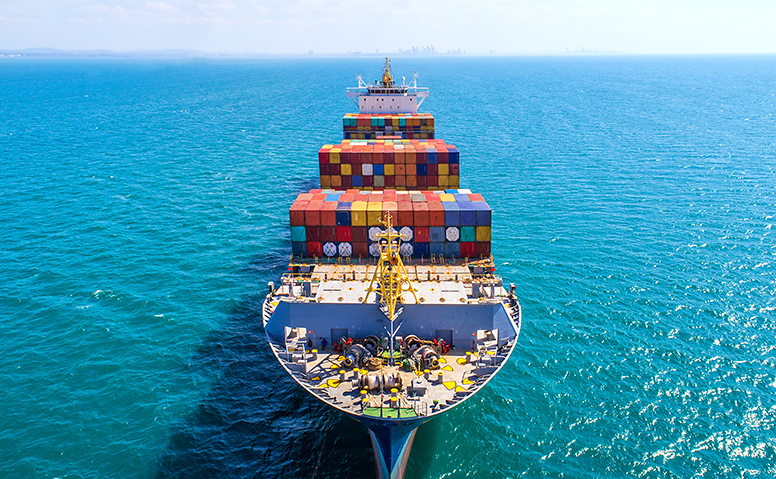
FCL prices depend on global container demand, fuel prices, origin port, and season. Auto parts are heavy, often pushing container payload close to weight limits. Nevertheless, typical 20GP and 40HQ rates remain competitive.
Sample FCL Pricing Table
Typical Container Price Ranges (Auto Parts, China → Sweden)
| Container Type | Typical Cost (USD) | Best Use Case |
|---|---|---|
| 20GP | $2,200 – $3,100 | Engines, machinery components |
| 40GP | $3,800 – $4,900 | Bulk auto accessories |
| 40HQ | $4,100 – $5,300 | Light but high‑volume parts |
Costs fluctuate monthly; therefore, importers should check rates at least 2–3 times before booking.
What Are the Best Routes for Auto Parts from China to Sweden?
Carriers typically choose stable trade lanes with strong connections to Europe.
Most Common Routings
- Shanghai → Rotterdam → Gothenburg
- Ningbo → Hamburg → Gothenburg
- Shenzhen → Antwerp → Stockholm
- Qingdao → Bremerhaven → Gothenburg
These routes combine speed, stability, and reliable rail/road links to Swedish distribution centers.
Which Container Types Are Best for Auto Parts?
Most auto parts move in:
- 20GP (dense cargo such as engines or transmission parts)
- 40GP (mixed mechanical parts, palletized goods)
- 40HQ (higher cubic volume for bulky automotive accessories)
When Should You Consider Special Containers?
- Flat rack for oversize machinery
- Open top for tall industrial parts
- Reefer for electronic sensors requiring temperature stability
However, 95% of automotive cargo uses standard dry FCL containers.
What Documents Do You Need for FCL Shipping to Sweden?
Accurate documentation prevents customs delays, penalties, and inspections.
Customs Documents Checklist
- Commercial invoice
- Packing list
- Bill of Lading (B/L)
- Certificate of origin
- HS code declaration
- CE certification (for electronic auto components)
- MSDS (for batteries, airbags, chemicals, etc.)
- Importer’s EORI number
Mistakes in HS codes are the most common cause of delays, especially for electrical parts and safety‑critical components.
How to Avoid Delays in FCL Shipping from China to Sweden?
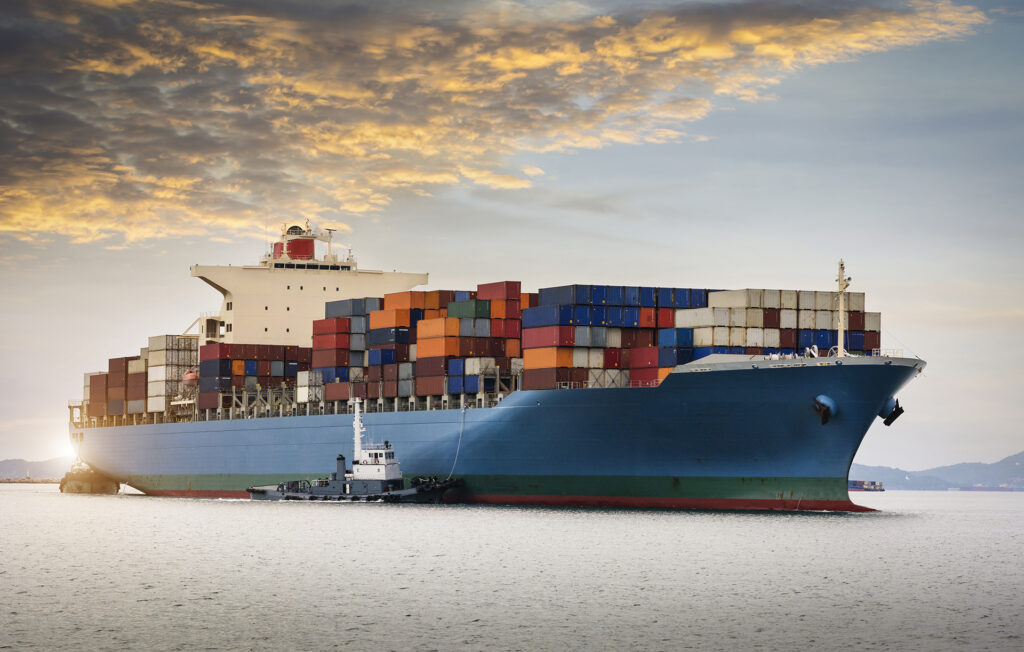
Delays occur due to port congestion, customs inspections, improper packaging, or container weight issues. However, importers can significantly reduce risks.
Best Practices
- Book at least 2–3 weeks before departure
- Ensure accurate weight and dimension details
- Use anti‑rust packaging for metal parts
- Confirm carrier cut‑off deadlines
- Track real‑time vessel schedules
- Provide compliant labels for hazardous materials
These steps ensure smoother delivery timelines.
How to Choose the Right Freight Forwarder for Auto Parts?
Choosing a specialist makes a major difference when handling heavy, fragile, or high‑value automotive cargo.
Key Selection Criteria
- Proven experience with auto parts logistics
- Ability to provide tracking updates
- Transparent all‑in pricing (including inland charges)
- Strong cross‑border customs clearance expertise
- Stable carrier partnerships to Europe
Reliable forwarders reduce cost overruns and minimize operational errors.
What Are the Pros and Cons of FCL vs Other Shipping Methods?
Comparing options can help your supply chain remain efficient.
Shipping Method Comparison
| Method | Cost | Speed | Pros | Cons |
|---|---|---|---|---|
| FCL Sea | Low | 28–40 days | Cost‑effective, secure, ideal for heavy cargo | Slower than air freight |
| LCL Sea | Moderate | 30–45 days | Good for small volumes | Higher damage risk, more handling |
| Air Freight | Very high | 3–7 days | Fast and reliable | Expensive for auto parts |
FCL remains the best balance between affordability and reliability.
What Supply Chain Trends Affect Auto Parts Shipping to Sweden?
Sweden’s automotive sector is evolving quickly, especially with the rise of EVs. Therefore, trends shaping supply chains include:
- Increased demand for battery modules and EV electronics
- Higher customs scrutiny over safety‑critical components
- Seasonal rate fluctuations
- Digital tracking becoming standard
- Growing sustainability demands from Nordic markets
These factors influence cost and transit time planning.
📦Get a Free Quote
Secure your FCL shipping for auto parts from China to Sweden with a reliable logistics partner. Our team provides competitive rates, expert customs coordination, and stable routing options tailored to automotive cargo. Request a fast quote today and streamline your entire supply chain with professional freight support.
❓ Frequently Asked Questions
1. What is the best container size for auto parts shipped to Sweden?
A 20GP works best for dense components, while a 40HQ is ideal for bulky but lighter automotive accessories.
2. How early should I book FCL shipping from China to Sweden?
Booking 2–3 weeks early secures space and avoids last‑minute rate spikes during peak shipping seasons.
3. Do auto parts require special customs documentation in Sweden?
Yes, especially for batteries, electronics, and safety parts, which may require CE certificates or MSDS documents.
4. Can I track my FCL shipment to Sweden in real time?
Most carriers and freight forwarders offer online tracking tools using your container number or Bill of Lading.
5. Are hazardous auto parts allowed in standard FCL containers?
Certain items like airbags or lithium batteries need compliance with IMDG rules but can still ship in standard FCL.
Conclusion
Selecting FCL shipping for auto parts from China to Sweden ensures reliable transit, reduced damage risk, and significant cost savings for heavy or fragile components. With the right freight partner, proper documentation, and proactive supply chain planning, your automotive cargo can arrive safely and efficiently. Whether you distribute engines, sensors, brakes, or vehicle electronics, FCL remains the most dependable and scalable shipping method for Sweden‑bound auto parts.