

FCL Shipping for Hardware Tools from China to Ireland: Your Comprehensive Guide
Importing hardware tools from China to Ireland requires careful planning and execution, especially when dealing with full container load (FCL) shipments. Navigating international logistics, customs regulations, and transit times can be complex; however, understanding the process is crucial for a smooth supply chain. This guide provides essential insights into optimizing your FCL shipping strategy for hardware tools, ensuring efficiency and cost-effectiveness with China Top Freight.
✦
Understanding FCL Shipping for Hardware Tools from China to Ireland
Full Container Load (FCL) shipping represents a dedicated container for your cargo, offering numerous advantages for businesses importing hardware tools. This method ensures your goods are not consolidated with other shipments, thereby reducing handling and potential damage. Furthermore, FCL provides greater security and faster transit times compared to less than container load (LCL) options.
Choosing FCL for your hardware tools from China to Ireland is often the most economical and efficient choice for substantial volumes. It simplifies the supply chain, providing predictable delivery schedules and clearer cost structures. Moreover, managing your own container allows for better inventory control and reduced risk of delays at various transshipment points.
What is FCL Shipping?
FCL shipping means that you, as the consignee, lease an entire container for your goods, regardless of whether it’s completely filled. Common container sizes include 20-foot (20GP), 40-foot (40GP), and 40-foot high cube (40HQ) containers. Consequently, this method is ideal for large volume shipments, ensuring your cargo remains sealed from origin to destination.
The primary benefit lies in the exclusivity of the container, which minimizes exposure to other cargo and reduces potential cross-contamination or damage. Additionally, FCL shipments typically experience fewer delays because they do not require extra time for cargo consolidation or deconsolidation at port terminals. This directly impacts the overall delivery schedule and reliability.
Why FCL for Importing Hardware Tools?
Hardware tools, ranging from hand tools to power tools and machinery parts, often require specific handling and secure transport. FCL shipping provides a controlled environment, protecting delicate or high-value items from external factors and theft. Therefore, it is a preferred method for maintaining product integrity throughout the long journey from China to Ireland.
Another critical advantage is the predictable nature of FCL freight rates, which allows for better budget planning and cost management for your import/export operations. Given the volume and weight of many hardware tool shipments, FCL also becomes significantly more cost-effective per unit compared to other shipping methods. This predictability is vital for long-term supply chain planning.
Key Considerations for China to Ireland FCL Routes
Shipping FCL hardware tools from China to Ireland involves several logistical considerations, including port selection, transit times, and potential seasonal impacts. The route typically involves major Chinese ports like Shanghai, Ningbo, or Shenzhen, with destination ports in Ireland such as Dublin or Cork. Understanding these elements is crucial for successful logistics planning.
Furthermore, current market conditions and global logistics trends can significantly influence freight rates and available capacity. As of Q1 2025, freight rates from China to Europe have stabilized after the 2024 Red Sea disruptions, although some volatility remains. Therefore, staying informed about these factors is essential for optimal decision-making.
Major Ports and Typical Transit Times
For shipments originating in China, primary loading ports include Shanghai, Ningbo, Qingdao, and Shenzhen. These ports offer extensive connectivity and frequent sailings to Europe. Conversely, in Ireland, the main ports of discharge are Dublin Port and Cork Port, both equipped to handle large container vessels.
Typical FCL sea transit time from China to Ireland ranges from 30 to 38 days, depending on the specific origin and destination ports, carrier, and whether the route is direct or involves transshipment. For instance, a direct route might take closer to 30 days, whereas routes with transshipment via ports like Rotterdam or Felixstowe could extend to 35-38 days. Seasonal patterns, such as the peak season from August to October, can also add 5-10 days to transit.
Understanding FCL Freight Rates and Costs
FCL freight rates from China to Ireland are influenced by various factors, including fuel surcharges, carrier capacity, and global demand. Typically, a 20GP container might cost between $2,000-$2,800, while a 40GP or 40HQ could range from $3,200-$4,500 for the ocean freight component. These are based on current market rates as of early 2025.
Beyond ocean freight, additional costs include origin charges (e.g., terminal handling, documentation), destination charges (e.g., port fees, drayage), and customs duties and taxes. Consequently, a comprehensive understanding of all components of the total landed cost is vital for accurate budgeting. Always request a detailed quote to avoid unexpected expenses.
How Does FCL Shipping Compare to Other Shipping Options?
When importing hardware tools, businesses have several shipping options, each with distinct advantages and disadvantages. Choosing the right method depends on your specific needs regarding cost, speed, and cargo volume. FCL shipping, while often ideal, should be evaluated against alternatives like LCL and air freight.
Indeed, a thorough comparison helps in making informed decisions that align with your supply chain objectives and budget constraints. This section provides an objective analysis of viable alternatives for the China to Ireland route, highlighting when each option is most suitable.
| Shipping Method | Cost Range (China-Ireland) | Transit Time | Best For | Limitations |
|---|---|---|---|---|
| FCL Sea Freight | $2,000 – $4,500 (per container) | 30-38 days | Large volumes, heavy/bulky hardware tools, cost-effective | Long transit time, not ideal for small shipments |
| LCL Sea Freight | $50 – $80 (per CBM) | 35-45 days | Small volumes (<15 CBM), flexible quantities | Longer transit, more handling, higher risk of damage |
| Air Freight | $5 – $10 (per kg) | 5-7 days | Urgent, high-value, time-sensitive hardware tools | Very high cost, weight/volume restrictions, not for bulk |
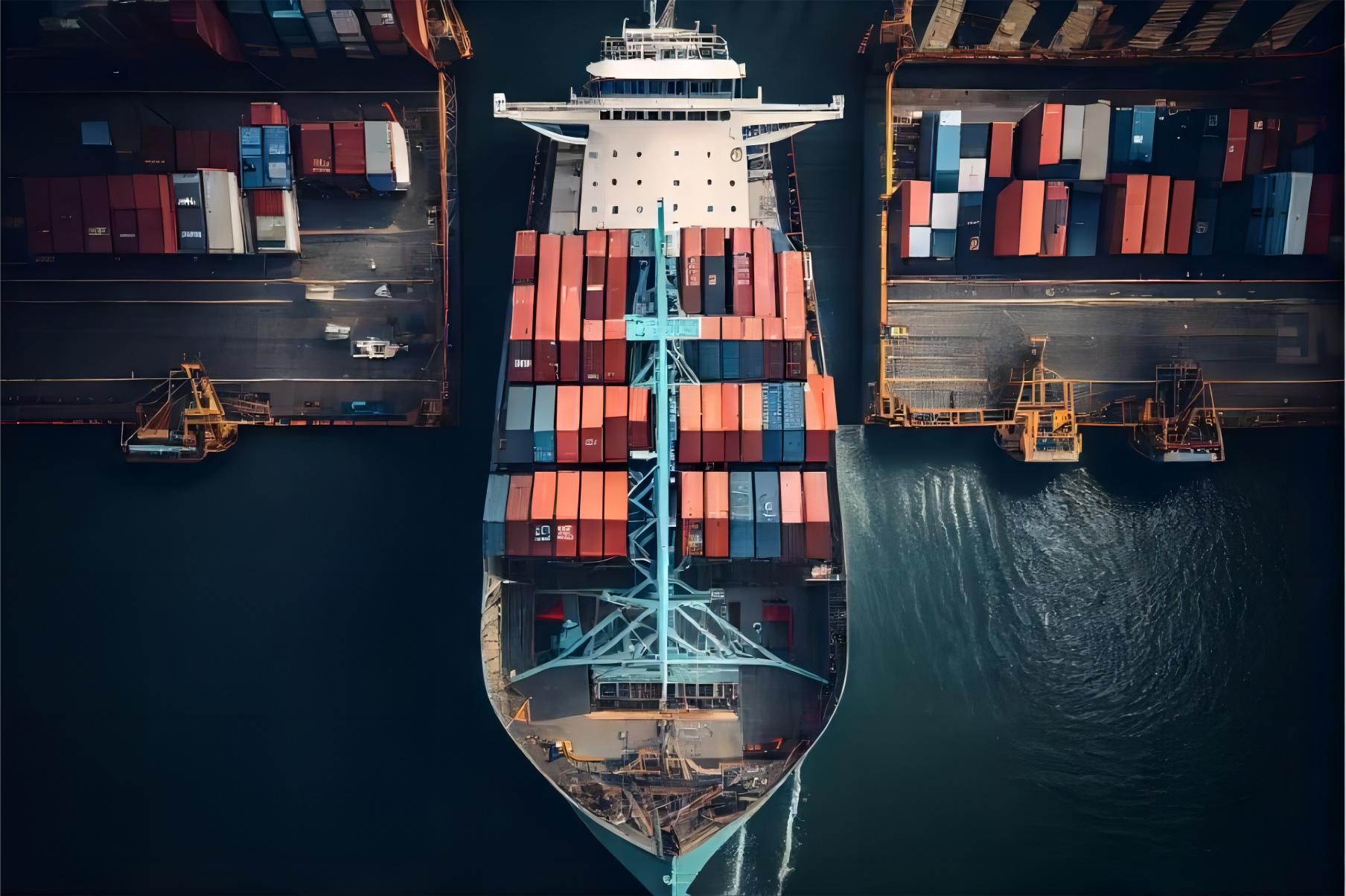
FCL vs. LCL for Hardware Tools
FCL offers exclusive container use, which is excellent for large volumes of hardware tools, minimizing handling and transit risks. Conversely, Less than Container Load (LCL) shipping involves consolidating your goods with other shippers’ cargo within the same container. LCL is generally more cost-effective for smaller shipments, typically under 15 CBM, where you only pay for the space your cargo occupies.
However, LCL often entails longer transit times due to consolidation and deconsolidation processes at origin and destination ports. For example, while FCL takes 30-38 days, LCL might add an extra 7-10 days. Moreover, the increased handling in LCL shipments also poses a higher risk of damage or loss for sensitive hardware tools. Therefore, for significant volumes or delicate items, FCL remains the superior choice.
Sea Freight vs. Air Freight for Urgent Shipments
Sea freight is the most economical option for shipping hardware tools from China to Ireland, particularly for heavy and bulky items, but it comes with longer transit times. For instance, sea freight typically takes 30-38 days. In contrast, air freight offers significantly faster delivery, usually within 5-7 days.
Nevertheless, air freight costs are substantially higher, often 5-10 times more than sea freight for the same volume. For example, while a 40HQ container via sea might cost $3,500-$4,500, air freight for a similar volume could easily exceed $20,000. Consequently, air freight is only viable for urgent, high-value, or time-sensitive hardware tool shipments where speed outweighs cost. Most bulk hardware tool imports rely on sea freight due to its cost-effectiveness.
Direct Routes vs. Transshipment
Direct FCL routes from China to Ireland involve a single vessel journey, offering the fastest sea transit times and minimizing handling. These routes, while potentially 10-15% more expensive, can save 5-7 days in transit compared to transshipment options. Furthermore, they reduce the risk of delays associated with port congestion at intermediate hubs.
Transshipment routes, on the other hand, involve transferring cargo from one vessel to another at an intermediate port, such as Rotterdam, Felixstowe, or Singapore. While these can sometimes offer slightly lower freight rates, they inherently increase the risk of delays and additional handling. Therefore, for time-sensitive hardware tool imports, direct routes are often preferred despite the marginal cost increase.
Navigating Customs and Documentation for Ireland Imports
Successful FCL shipping for hardware tools from China to Ireland hinges on meticulous customs compliance and accurate documentation. Ireland, as an EU member state, adheres to EU customs regulations, which can be intricate. Consequently, proper preparation is essential to avoid delays and penalties.
Engaging a reliable partner for customs brokerage services can significantly streamline this process. They possess the expertise to handle import declarations, tariff classifications, and duty calculations, ensuring a smooth clearance for your hardware tools. This proactive approach minimizes potential issues at the port of entry.
Key Documents Required for Import
Importing hardware tools into Ireland necessitates a specific set of documents. These typically include the Commercial Invoice, Packing List, Bill of Lading (for sea freight), Certificate of Origin, and any relevant product-specific certifications. Accuracy in these documents is paramount, as discrepancies can lead to significant delays and additional costs.
Furthermore, for certain types of hardware tools, especially those with electrical components or specific safety standards, additional conformity certificates like CE marking may be required. Ensuring all documentation is correctly prepared and submitted electronically through the Automated Import System (AIS) or relevant platforms is a critical step in the import process.

Understanding Duties, Taxes, and HS Codes
Hardware tools imported into Ireland are subject to customs duties and Value Added Tax (VAT). The duty rate depends on the Harmonized System (HS) code classification of your specific tools. Therefore, correctly classifying your hardware tools is crucial for determining the applicable tariffs and avoiding overpayment or underpayment.
VAT, currently at 23% in Ireland, is generally applied to the customs value, which includes the cost of goods, shipping, and duties. Businesses registered for VAT can typically reclaim this, but it must be paid upfront. Consulting with a customs expert or utilizing a reliable customs brokerage service can help navigate these complexities, ensuring compliance and optimizing your import costs.
Optimizing Your FCL Supply Chain from China to Ireland
An optimized FCL supply chain for hardware tools from China to Ireland involves strategic planning, effective communication, and leveraging reliable logistics partners. Focusing on efficiency not only reduces costs but also enhances the predictability of your delivery schedule. Implementing best practices across various stages of the shipping process is key.
Moreover, integrating advanced logistics trends and technologies can provide a competitive edge. This includes real-time tracking, digital documentation, and data analytics to anticipate and mitigate potential disruptions. Ultimately, a robust supply chain ensures your hardware tools reach their Irish destination smoothly.
Carrier Selection and Booking Strategies
Selecting the right ocean carrier is fundamental for reliable FCL shipping. Major carriers like Maersk, COSCO, MSC, and CMA CGM offer various services and routes from China to Ireland. Evaluating their service reliability, transit times, and pricing structures is essential before making a decision.
Booking strategies should also consider seasonal fluctuations. Rates typically increase 15-25% during the August-October peak season and before major Chinese holidays like Chinese New Year. Booking well in advance, sometimes 3-4 weeks ahead, can help secure better rates and ensure container availability, especially for bulk hardware tool orders.
Cargo Insurance and Risk Management
Despite the security of FCL shipping, unforeseen events like accidents, natural disasters, or theft can occur. Therefore, comprehensive cargo insurance is a vital component of risk management for your hardware tools. It provides financial protection against potential losses or damages during transit from China to Ireland.
Carefully reviewing insurance policies and understanding their coverage limits is crucial. While carriers offer limited liability, it’s rarely sufficient to cover the full value of your goods. Investing in ‘All Risk’ cargo insurance offers broader protection, safeguarding your investment in valuable hardware tool inventory. This proactive measure ensures peace of mind.
Door-to-Door Service and Last-Mile Delivery
For maximum convenience and efficiency, opting for a door-to-door FCL shipping service is highly recommended. This service covers the entire logistics chain, from pickup at your supplier’s factory in China to final delivery at your warehouse or distribution center in Ireland. It simplifies coordination and reduces administrative burden.
A reputable freight forwarder manages all aspects, including inland transportation in China, ocean freight, customs clearance in Ireland, and final delivery. This integrated approach ensures seamless transitions between different stages of the journey. Consequently, it minimizes potential delays and provides a single point of contact for your entire hardware tool shipment.
Case Studies: Successful FCL Shipments of Hardware Tools
Examining real-world examples helps illustrate the practical application of FCL shipping strategies for hardware tools from China to Ireland. These case studies highlight typical routes, costs, and timelines, offering valuable insights into common scenarios. They also demonstrate how various factors influence the overall logistics process.
Based on Q3 2024 market rates and typical operational timelines, these examples provide a realistic perspective on importing hardware tools. They underscore the importance of detailed planning and professional freight management. Note: Freight rates are subject to change based on fuel costs, carrier capacity, and seasonal demand. Contact us for a current quote tailored to your specific shipment.
Case Study 1: Standard Hand Tools Import
| Detail | Value |
|---|---|
| Route | Ningbo, China -> Dublin, Ireland |
| Cargo | Assorted hand tools (wrenches, pliers, screwdrivers), 28 CBM, 20,000 kg |
| Container | 20GP |
| Shipping Details | |
| – Carrier/Service | COSCO |
| – Port of Loading | Ningbo |
| – Port of Discharge | Dublin |
| – Route Type | Transshipment via Felixstowe |
| Cost Breakdown (Estimated Q3 2024) | |
| – Ocean Freight | $2,300 |
| – Origin Charges (THC, documentation) | $350 |
| – Destination Charges (THC, drayage) | $450 |
| – Customs & Duties (estimated) | $1,200 |
| – Total Landed Cost | $4,300 |
| Timeline | |
| – Booking to Loading | 7 days |
| – Sea Transit | 35 days |
| – Customs Clearance | 3 days |
| – Total Door-to-Door | 45 days |
| Key Insight | Cost-effective for a standard container, but transshipment added 3 days to transit. Proactive customs documentation avoided delays. |

Case Study 2: Power Tools and Light Machinery
| Detail | Value |
|---|---|
| Route | Shanghai, China -> Cork, Ireland |
| Cargo | Electric drills, saws, small generators, 60 CBM, 28,000 kg |
| Container | 40HQ |
| Shipping Details | |
| – Carrier/Service | MSC |
| – Port of Loading | Shanghai |
| – Port of Discharge | Cork |
| – Route Type | Direct |
| Cost Breakdown (Estimated Q4 2024) | |
| – Ocean Freight | $4,100 |
| – Origin Charges (THC, documentation) | $400 |
| – Destination Charges (THC, drayage) | $500 |
| – Customs & Duties (estimated) | $2,500 |
| – Total Landed Cost | $7,500 |
| Timeline | |
| – Booking to Loading | 10 days (peak season) |
| – Sea Transit | 32 days |
| – Customs Clearance | 4 days |
| – Total Door-to-Door | 46 days |
| Key Insight | Direct route offered faster transit despite Q4 peak season. Higher value cargo required robust cargo insurance. |
Case Study 3: Specialized Industrial Hardware
| Detail | Value |
|---|---|
| Route | Shenzhen, China -> Dublin, Ireland |
| Cargo | Precision measuring tools, specialized fasteners, 55 CBM, 22,000 kg |
| Container | 40GP |
| Shipping Details | |
| – Carrier/Service | Maersk |
| – Port of Loading | Shenzhen |
| – Port of Discharge | Dublin |
| – Route Type | Transshipment via Rotterdam |
| Cost Breakdown (Estimated Q1 2025) | |
| – Ocean Freight | $3,600 |
| – Origin Charges (THC, documentation) | $380 |
| – Destination Charges (THC, drayage) | $480 |
| – Customs & Duties (estimated) | $1,800 |
| – Total Landed Cost | $6,260 |
| Timeline | |
| – Booking to Loading | 8 days |
| – Sea Transit | 36 days |
| – Customs Clearance | 3 days |
| – Total Door-to-Door | 47 days |
| Key Insight | Careful packing and securing of specialized tools were crucial. Early booking during post-holiday lull secured favorable rates. |
Which Option Should You Choose for Your Hardware Tool Imports?
Selecting the optimal shipping strategy for your hardware tools from China to Ireland depends on a careful evaluation of your business priorities. Factors such as budget, urgency, and the specific characteristics of your cargo play a significant role. This framework helps guide your decision-making process.
Ultimately, the best approach balances cost-effectiveness with reliability and speed. Understanding these trade-offs allows you to build a resilient and efficient supply chain. Consider these criteria to determine the most suitable shipping method for your needs.
Budget Priority
If cost-effectiveness is your primary concern, and you are shipping large volumes of hardware tools, FCL sea freight is almost always the recommended option. It offers the lowest per-unit cost for significant quantities. Moreover, planning ahead and booking during off-peak seasons can further reduce your overall freight rates.
For smaller, non-urgent shipments, LCL sea freight might be more economical initially. However, be mindful of the potential for longer transit times and increased handling fees. Therefore, for most bulk hardware tool imports, the economies of scale offered by FCL are unmatched.
Speed Priority
When urgency is paramount, and you need your hardware tools delivered quickly, air freight is the undisputed choice, despite its higher cost. This method is ideal for emergency stock replenishment, high-value, low-volume items, or samples. Expect delivery within 5-7 days from China to Ireland.
For less extreme time constraints, choosing a direct FCL sea freight route over transshipment can shave off several days from the total transit time. While still taking weeks, this can be a valuable compromise for moderately time-sensitive bulk orders. Prioritizing reliable carriers with established direct routes is also beneficial.
Cargo Type and Volume Considerations
The nature and volume of your hardware tools significantly influence the best shipping method. Heavy, bulky, or fragile tools benefit greatly from the dedicated space and reduced handling of FCL containers. This minimizes the risk of damage during transit. For example, large machinery parts or sensitive electronic tools are best suited for FCL.
Conversely, if your shipment consists of a few small boxes of hand tools, LCL might seem appropriate. However, if these tools are high-value or easily damaged, the increased handling in LCL could still make FCL a safer choice, even if the container isn’t entirely full. Evaluate the trade-off between space utilization and cargo safety carefully.
Efficient FCL Shipping for Your Hardware Tools
Effectively managing FCL shipping for hardware tools from China to Ireland is a complex but manageable process with the right strategy and partner. From understanding container types and transit times to navigating customs and selecting optimal routes, every detail contributes to a successful import operation. Prioritizing efficiency and reliability in your supply chain is paramount.
By leveraging expert knowledge and comprehensive services, businesses can ensure their hardware tools arrive safely and on schedule. Therefore, partnering with an experienced freight forwarder is crucial for optimizing your FCL shipping from China to Ireland, ensuring cost-effectiveness and peace of mind.