

FCL Shipping for Medical Equipment from China to Netherlands: A Comprehensive Guide
Shipping medical equipment from China to the Netherlands demands precision and reliability. Ensuring the safe and timely arrival of critical healthcare devices is paramount for any business. This guide offers comprehensive China Top Freight solutions, specifically focusing on FCL shipping for medical equipment from China to Netherlands. We will explore key considerations to optimize your logistics and minimize risks effectively.
✦
What is FCL Shipping and Why Choose It for Medical Equipment?
FCL, or Full Container Load, means your cargo occupies an entire container. This method is ideal for sufficient volume, typically 20-foot or 40-foot containers. It ensures your medical equipment travels securely without sharing space, enhancing safety.
Choosing FCL offers significant advantages for medical equipment from China to Netherlands. It provides enhanced security, reducing handling risks and potential contamination. Dedicated space is crucial for sensitive healthcare products.
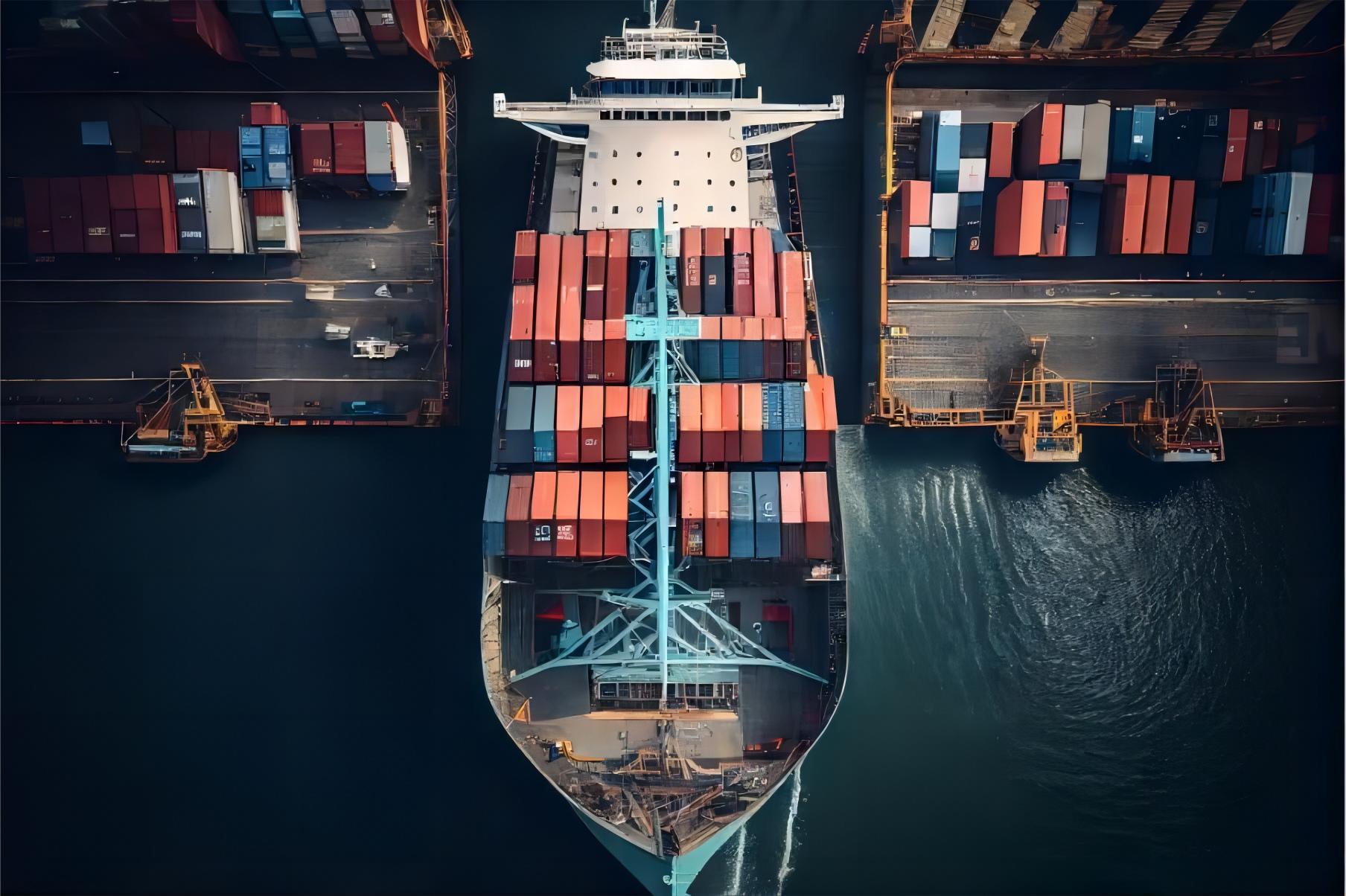
Furthermore, FCL generally results in faster transit times compared to LCL. The container moves directly from origin to destination port. This streamlined process is preferred for high-value or time-sensitive medical supplies.
Understanding the FCL Shipping Process from China to Netherlands
The FCL shipping process from China to Netherlands involves several critical stages. You book a container, then your medical equipment is loaded at the supplier’s facility. The container moves to a major Chinese port like Shanghai or Ningbo.
From China, the container embarks on its ocean voyage, typically bound for the Port of Rotterdam. This leg constitutes the main sea freight component. Upon arrival, it undergoes customs clearance, requiring accurate documentation.
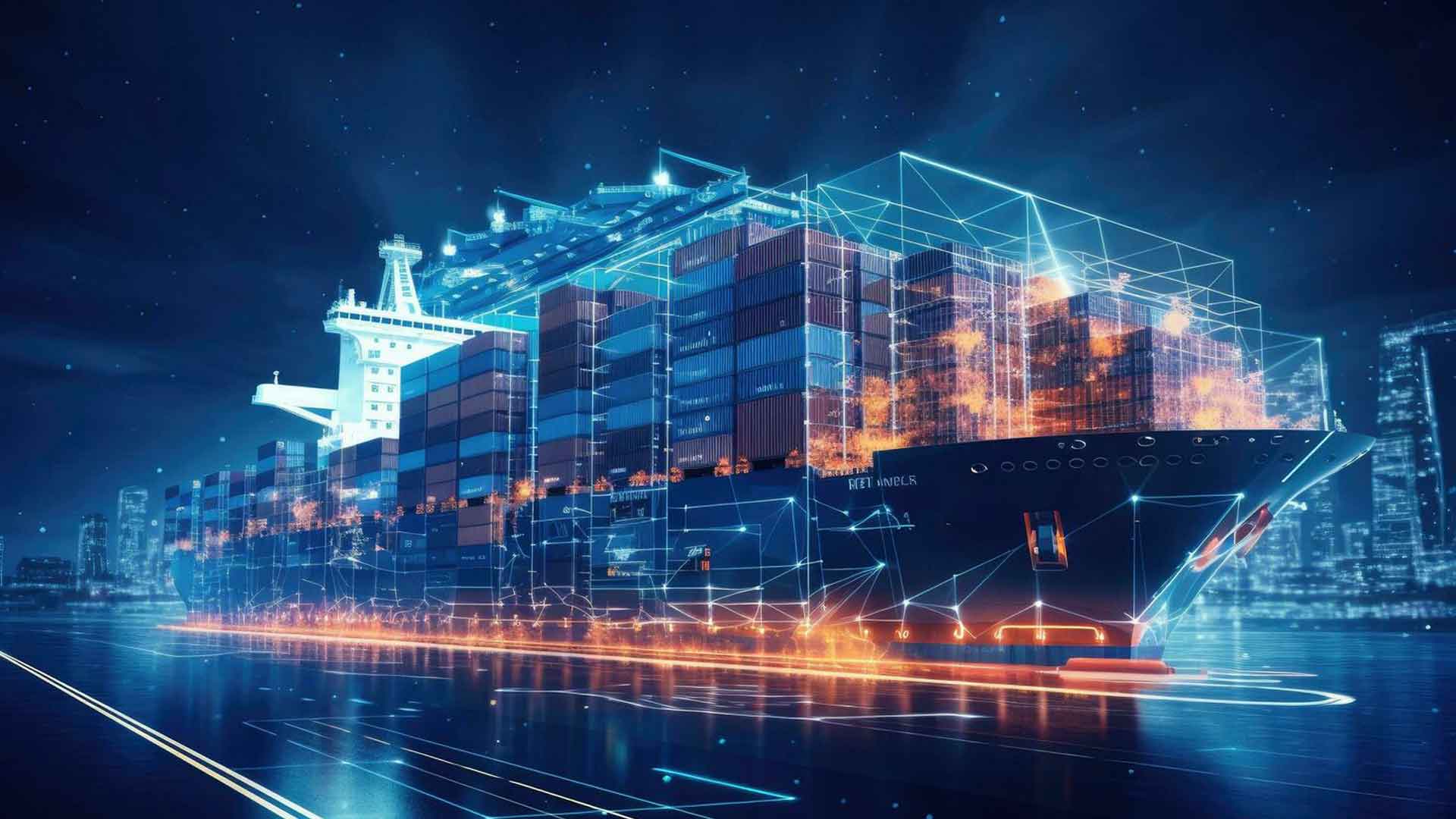
Finally, after clearance, the container is transported to its final destination within the Netherlands. Precise coordination and communication are essential throughout. A reliable freight forwarder manages these intricate steps, simplifying import logistics.
Key Considerations for FCL Medical Equipment Shipments
Shipping medical equipment internationally necessitates strict adherence to regulatory compliance. All medical devices imported into the EU must bear CE marking and comply with MDR or IVDR. Non-compliance leads to significant delays.
Temperature control is vital for sensitive medical supplies and pharmaceuticals. Maintaining a consistent cold chain prevents product degradation. Proper packaging and handling are equally crucial for protecting fragile or sterile items from transit damage.
Securing comprehensive cargo insurance for high-value medical equipment is highly recommended. This protects against unforeseen incidents during transit. A proficient customs brokerage service can also advise on necessary coverage and documentation.
How Does FCL Shipping Compare to Other Shipping Options?
When importing medical equipment from China to Netherlands, businesses weigh several shipping options. FCL provides dedicated container space, offering security and efficiency for larger volumes. However, other methods suit different needs.
LCL (Less than Container Load) shipping involves sharing container space. It is economical for smaller volumes (under 15 CBM). Nevertheless, LCL entails more handling and potentially longer transit times due to consolidation processes.
Air freight offers the fastest option, ideal for urgent or high-value, low-volume medical supplies. While significantly quicker, air freight costs are substantially higher than sea freight. It is reserved for critical situations where speed outweighs cost.
| Shipping Method | Cost Range (Ocean/Air Freight) | Transit Time | Best For | Limitations |
|---|---|---|---|---|
| FCL Sea Freight | $3,000 – $4,200 (40HQ) | 28-35 days | Large volumes, secure cargo, cost-efficiency | Longer transit times, requires full container |
| LCL Sea Freight | $80 – $150 per CBM | 35-45 days | Small to medium volumes (under 15 CBM) | More handling, potential delays, less secure |
| Air Freight | $4 – $8 per kg | 5-8 days | Urgent, high-value, low-volume cargo | Very high cost, volume/weight restrictions |
Which Option Should You Choose?
Selecting the optimal shipping method involves evaluating several factors. If budget is primary and you have large volumes, FCL sea freight is the most cost-effective solution. This applies especially to non-urgent bulk medical supplies.
For speed priority, particularly for critical medical devices, air freight is indispensable. Its rapid delivery ensures minimal downtime and quick market access. However, prepare for significantly higher shipping costs.
Cargo type considerations also play a major role. Fragile, high-value, or temperature-sensitive medical equipment benefits most from FCL’s dedicated space. For smaller, less urgent shipments, LCL remains a viable option.
Navigating Customs and Regulations for Medical Equipment in the Netherlands
Importing medical equipment into the Netherlands, as part of the EU, involves stringent customs and regulatory hurdles. Importers must ensure full compliance with EU directives. Non-compliance can lead to significant delays and penalties.
Key requirements include proper classification of goods using HS codes, determining applicable VAT and duties. Providing complete and accurate documentation is critical, including commercial invoices and bills of lading.
Specific certificates of conformity and product declarations are often required for medical devices. These prove adherence to EU safety and health standards. Engaging a specialized customs brokerage service is highly advisable to navigate complexities.
Understanding the nuances of shipping to Europe means preparing for potential inspections. Dutch customs authorities may conduct checks to verify product compliance. Therefore, accessible and accurate documentation is paramount for smooth clearance.
Cost Factors and Transit Times for FCL Shipping Medical Equipment from China to Netherlands
The total cost of FCL shipping medical equipment from China to Netherlands is a multifaceted calculation. It encompasses various elements beyond just the ocean freight rate. Understanding these components aids budget planning and supply chain optimization.
Primary cost factors include base ocean freight, varying by carrier, season, and market demand. Surcharges like BAF and CAF are common. Origin charges such as THC and documentation fees also contribute significantly to the total.
Typical transit times for FCL from major Chinese ports to Rotterdam range from 28 to 35 days port-to-port. However, total door-to-door delivery can extend to 40-50 days. This includes pre-carriage, customs clearance, and onward delivery.
Several factors influence both costs and transit times. Peak seasons (August-October) often see rates increase by 15-25% due to higher demand. Port congestion and vessel capacity issues can also cause delays and affect freight rates.
As of Q1 2025, freight rates from China to Europe have stabilized somewhat after the 2024 Red Sea disruptions. Typical rates for a 40HQ container are currently in the range of $3,000-$4,200. These figures are subject to change based on global logistics trends.
Note: Freight rates are subject to change based on fuel costs, carrier capacity, and seasonal demand. Contact us for a current quote tailored to your specific shipment.
Real-World Case Studies: FCL Shipping Medical Equipment Success
Case Study 1: High-Volume Diagnostic Devices
This case exemplifies efficient management of large-scale medical device imports. A client required a reliable solution for shipping diagnostic equipment to multiple hospital networks. FCL provided the necessary security and cost-efficiency for these critical goods.
| Key Detail | Description |
|---|---|
| Route | Shanghai, China Rotterdam, Netherlands |
| Cargo | Diagnostic Imaging Devices (CT Scanners, Ultrasound Machines), 60 CBM, 15,000 kg |
| Container | 2 x 40HQ |
| Shipping Details | |
| – Carrier/Service | COSCO |
| – Port of Loading | Shanghai |
| – Port of Discharge | Rotterdam |
| – Route Type | Direct |
| Cost Breakdown (per 40HQ, based on Q4 2024 rates) | |
| – Ocean Freight | $3,800 |
| – Origin Charges (THC, documentation) | $450 |
| – Destination Charges | $300 |
| – Customs & Duties (estimated) | $750 |
| – Total Landed Cost (per 40HQ) | $5,300 |
| Timeline | |
| – Booking to Loading | 5 days |
| – Sea Transit | 30 days |
| – Customs Clearance | 3 days |
| – Total Door-to-Door | 38 days |
| Key Insight | Strategic planning and direct routing minimized transit time for high-value, large equipment. Optimized container utilization yielded significant cost savings per unit. |
Case Study 2: Temperature-Sensitive Lab Consumables
This scenario highlights the importance of cold chain logistics for sensitive medical consumables. A client needed to transport reagents and lab kits requiring strict temperature control from China to a research facility. FCL with reefer containers was the precise solution.
| Key Detail | Description |
|---|---|
| Route | Ningbo, China Amsterdam, Netherlands |
| Cargo | Lab Reagents & Consumables, 25 CBM, 8,000 kg |
| Container | 1 x 20GP Reefer |
| Shipping Details | |
| – Carrier/Service | Maersk (Reefer Service) |
| – Port of Loading | Ningbo |
| – Port of Discharge | Rotterdam |
| – Route Type | Transshipment via Singapore |
| Cost Breakdown (based on Q1 2025 rates) | |
| – Ocean Freight (Reefer) | $4,500 |
| – Origin Charges (THC, documentation) | $500 |
| – Destination Charges (Reefer specific) | $400 |
| – Customs & Duties (estimated) | $600 |
| – Total Landed Cost | $6,000 |
| Timeline | |
| – Booking to Loading | 7 days |
| – Sea Transit | 38 days |
| – Customs Clearance | 4 days |
| – Total Door-to-Door | 49 days |
| Key Insight | Specialized reefer container and meticulous cold chain monitoring ensured product integrity. Transshipment added a few days but provided better vessel availability for reefer cargo. |
Case Study 3: Emergency Medical Supplies for a New Clinic
This case involved expedited delivery of essential medical supplies for a newly established clinic in the Netherlands. While FCL was chosen for volume, the client also required a swift final leg. A combination of FCL and door-to-door delivery was implemented efficiently.
| Key Detail | Description |
|---|---|
| Route | Shenzhen, China Utrecht, Netherlands |
| Cargo | Hospital Furniture, Sterilization Equipment, 35 CBM, 10,000 kg |
| Container | 1 x 40GP |
| Shipping Details | |
| – Carrier/Service | MSC |
| – Port of Loading | Shenzhen |
| – Port of Discharge | Rotterdam |
| – Route Type | Direct |
| Cost Breakdown (based on Q2 2025 projections) | |
| – Ocean Freight | $3,500 |
| – Origin Charges (THC, documentation) | $400 |
| – Destination Charges | $350 |
| – Customs & Duties (estimated) | $800 |
| – Total Landed Cost | $5,050 |
| Timeline | |
| – Booking to Loading | 4 days |
| – Sea Transit | 32 days |
| – Customs Clearance | 2 days |
| – Total Door-to-Door | 39 days |
| Key Insight | Efficient port operations and pre-cleared documentation facilitated a quicker turnaround. The door-to-door service ensured seamless final delivery to the clinic, crucial for their opening schedule. |
Optimizing Your Supply Chain for Medical Equipment Imports
Optimizing your supply chain for medical equipment imports from China to Netherlands is crucial for long-term success. It involves strategic planning and selecting the right partners. This approach ensures consistent delivery and minimizes disruptions.
Choosing an experienced freight forwarder specializing in healthcare logistics is paramount. They possess expertise to navigate complex regulations and manage specific cargo requirements. Look for partners with a proven track record in FCL shipping medical equipment.
Leveraging technology in logistics, such as advanced tracking systems, provides end-to-end visibility. This allows real-time monitoring of your shipment’s progress. Consequently, you can proactively address potential delays and maintain an optimized delivery schedule.
Conclusion
In summary, FCL shipping for medical equipment from China to Netherlands offers a robust solution for businesses. It provides security, efficiency, and cost-effectiveness for substantial cargo volumes. Navigating this process successfully requires careful planning, regulatory compliance, and a reliable logistics partner. By understanding the intricacies of freight rates, transit times, and customs procedures, you can optimize your supply chain. Ultimately, this ensures the timely and safe delivery of critical medical devices to the Netherlands.