

FCL Shipping for Medical Equipment from China to Norway: A Comprehensive Guide
Shipping medical equipment from China to Norway demands precision and reliability. Full Container Load (FCL) shipping offers a dedicated, secure solution for these critical goods. China Top Freight specializes in navigating these complex logistics, ensuring your valuable cargo arrives safely and on schedule. Consequently, understanding the nuances of FCL is essential for a smooth supply chain.
What is FCL Shipping for Medical Equipment?
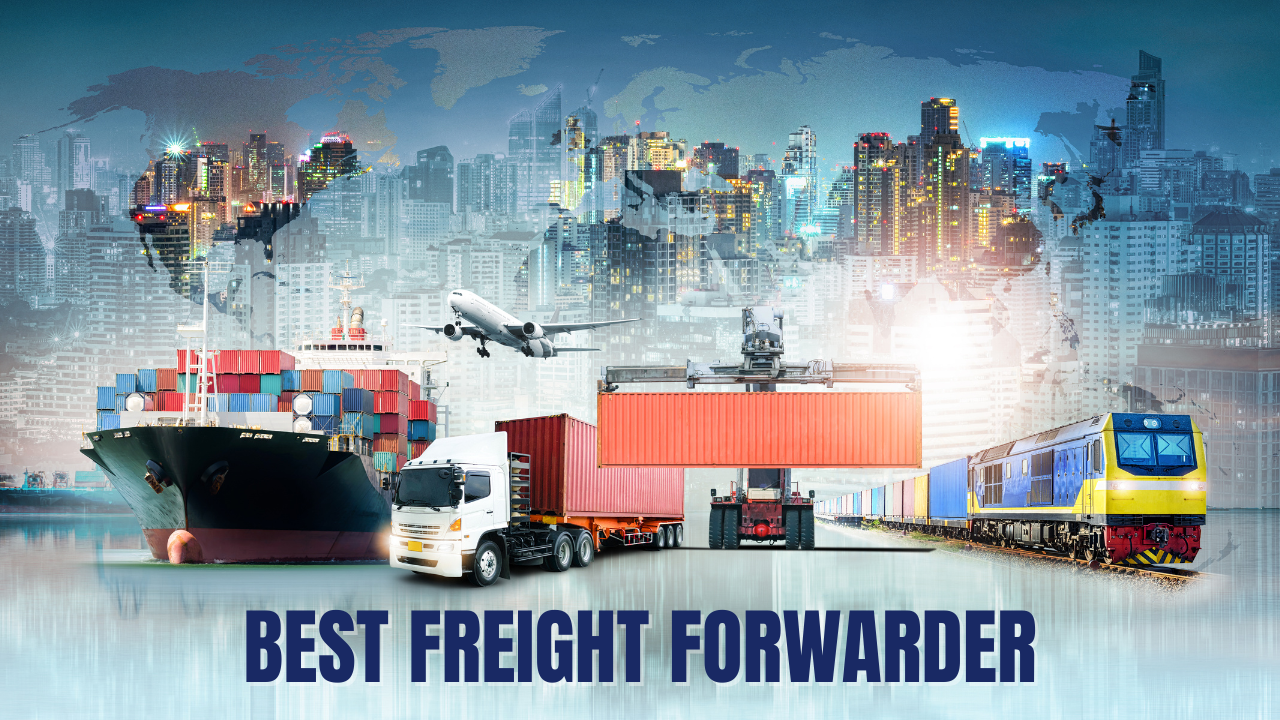
FCL, or Full Container Load, means your medical equipment occupies an entire shipping container. This method is ideal for high-value, sensitive, or large volume goods. Typically, it provides enhanced security and minimizes handling risks during transit.
Furthermore, choosing FCL ensures that your cargo is not consolidated with other shippers’ goods. This dedicated space is crucial for maintaining the integrity of delicate medical devices and supplies. Ultimately, it offers peace of mind for critical healthcare shipments.
Why Choose FCL for Medical Equipment from China to Norway?
Opting for FCL shipping offers several distinct advantages for medical equipment destined for Norway. Firstly, it provides superior protection against damage and contamination, which is paramount for healthcare products. Moreover, it significantly reduces transit times compared to Less than Container Load (LCL) options.
Additionally, FCL is often more cost-effective for larger volumes, reducing the per-unit shipping cost. This efficiency is vital for maintaining competitive pricing in the Norwegian market. For specialized shipping to Europe, FCL ensures direct routing and fewer transshipment points, enhancing supply chain reliability.
Key Considerations for Your FCL Shipment
Proper planning is essential for successful FCL shipping of medical equipment. Consider the specific nature of your cargo; for example, some medical devices require temperature-controlled containers. Adequate packaging and labeling are also critical for compliance and safety.
Indeed, selecting the correct container size (e.g., 20GP, 40GP, 40HQ) directly impacts both cost and efficiency. Furthermore, securing comprehensive cargo insurance is highly recommended given the high value and sensitive nature of medical equipment. Addressing these factors upfront prevents potential delays and issues.
The FCL Shipping Process from China to Norway
The FCL shipping journey begins with booking your container and coordinating cargo pickup from your supplier in China. Subsequently, the container is loaded and transported to the port of loading. Documentation, including the Bill of Lading, is prepared meticulously.
Following this, the container undergoes ocean transit via sea freight to Norway. Upon arrival at a Norwegian port, the cargo proceeds through customs clearance. Finally, it is delivered to your designated warehouse or facility, completing the door-to-door process.
Navigating Customs and Regulations in Norway
Importing medical equipment into Norway requires strict adherence to local customs regulations and health authority guidelines. Essential documents typically include a commercial invoice, packing list, certificate of origin, and product-specific certifications. Failure to comply can lead to significant delays.
Moreover, understanding Norwegian VAT and any applicable duties on medical devices is crucial for accurate cost planning. Engaging expert customs brokerage services can streamline this complex process. This ensures smooth entry and avoids unexpected expenses or penalties.
How Does FCL Compare to Other Shipping Options?
While FCL offers distinct advantages, it is important to consider alternative shipping methods for medical equipment based on your specific needs. LCL (Less than Container Load) is suitable for smaller volumes, though it involves more handling and potentially longer transit times. However, air freight provides the fastest transit but at a significantly higher cost.
Ultimately, the choice depends on the urgency, volume, and budget for your medical cargo. Hybrid solutions, combining sea and air, can also be explored for a balance of speed and cost. This comprehensive comparison helps optimize your logistics strategy.
| Shipping Method | Cost Range | Transit Time | Best For | Limitations |
|---|---|---|---|---|
| FCL Sea Freight | $3,000-4,200 (40HQ) | 28-35 days | Large volumes, sensitive goods, cost-efficiency | Slower than air |
| LCL Sea Freight | $50-80/CBM | 35-45 days | Small volumes (<15 CBM), budget-conscious | More handling, longer transit, potential damage risk |
| Air Freight | $5-10/kg | 5-7 days | Urgent, high-value, small shipments | High cost, weight/volume restrictions |
Understanding FCL Shipping Costs and Rates
The overall cost of FCL shipping for medical equipment from China to Norway encompasses several components. These include ocean freight, origin charges (e.g., terminal handling, documentation), and destination charges (e.g., port fees, drayage). Furthermore, customs duties and taxes are significant factors.
Freight rates fluctuate based on market demand, fuel costs, and peak seasons. Therefore, obtaining a detailed quote for door-to-door services is crucial. This helps in managing your supply chain budget effectively. Note: Freight rates are subject to change based on fuel costs, carrier capacity, and seasonal demand. Contact us for a current quote tailored to your specific shipment.
Real-World FCL Shipping Scenarios
Examining actual case studies provides practical insights into FCL operations. These examples illustrate the complexities and successful outcomes of transporting medical equipment. They highlight how effective planning and execution are vital for critical shipments.
Case Study 1: Medical Disposables to Oslo
| Detail | Description |
|---|---|
| Route | Shanghai, China -> Oslo, Norway |
| Cargo | Medical disposables (gloves, masks), 30 CBM, 8,000 kg |
| Container | 20GP |
| Carrier/Service | COSCO |
| Port of Loading | Shanghai |
| Port of Discharge | Oslo |
| Route Type | Transshipment via Hamburg |
| Ocean Freight | $2,200 |
| Origin Charges | $350 |
| Destination Charges | $500 |
| Customs & Duties (est.) | $700 |
| Total Landed Cost | $3,750 |
| Booking to Loading | 5 days |
| Sea Transit | 32 days |
| Customs Clearance | 3 days |
| Total Door-to-Door | 40 days |
| Key Insight | Cost-effective due to transshipment, but added 4 days to transit time. Based on Q3 2024 market rates. |
Case Study 2: Diagnostic Equipment to Bergen
| Detail | Description |
|---|---|
| Route | Ningbo, China -> Bergen, Norway |
| Cargo | Diagnostic imaging equipment, 65 CBM, 15,000 kg |
| Container | 40HQ (Temperature Controlled) |
| Carrier/Service | Maersk |
| Port of Loading | Ningbo |
| Port of Discharge | Bergen |
| Route Type | Direct |
| Ocean Freight | $4,500 |
| Origin Charges | $480 |
| Destination Charges | $750 |
| Customs & Duties (est.) | $1,200 |
| Total Landed Cost | $6,930 |
| Booking to Loading | 7 days |
| Sea Transit | 29 days |
| Customs Clearance | 2 days |
| Total Door-to-Door | 38 days |
| Key Insight | Direct route ensured faster delivery and minimal handling for sensitive equipment, justifying the premium. Typical rates as of early 2025. |
Which FCL Option Should You Choose?
Deciding on the best FCL option involves weighing various factors. If budget is your primary concern and time allows, a standard FCL container with a transshipment route might be optimal. Conversely, for urgent or highly sensitive medical equipment, a direct FCL service, possibly with specialized containers, is preferable.
Consider the volume and fragility of your cargo. Large, robust shipments benefit from standard FCL, while delicate diagnostic tools might require reefer containers or even air freight. Ultimately, aligning your shipping strategy with your specific supply chain needs guarantees success.
Conclusion: Securing Your Medical Equipment Supply Chain
FCL shipping for medical equipment from China to Norway presents a robust and reliable solution for healthcare businesses. By prioritizing security, understanding costs, and navigating complex regulations, you can ensure timely and safe delivery of vital goods. Therefore, partnering with an experienced freight forwarder is paramount.
Ultimately, a well-managed FCL strategy strengthens your supply chain, allowing you to focus on patient care. We are committed to providing seamless and efficient logistics services for your critical medical equipment shipments.
Start Your Shipment
Ready to streamline your FCL shipping for medical equipment from China to Norway? Contact our experts today for a personalized quote and tailored logistics solutions. We ensure your critical cargo is handled with the utmost care and professionalism.
Request Quote