

FCL shipping for toys from China to Seattle: The Ultimate Logistics Guide
Managing FCL shipping for toys from China to Seattle requires a strategic approach to handle high-volume inventory effectively. China Top Freight provides specialized solutions for businesses looking to streamline their supply chain between these two major hubs. Consequently, choosing the right shipping method can significantly impact your bottom line and delivery timelines.
Understanding FCL shipping for toys from China to Seattle
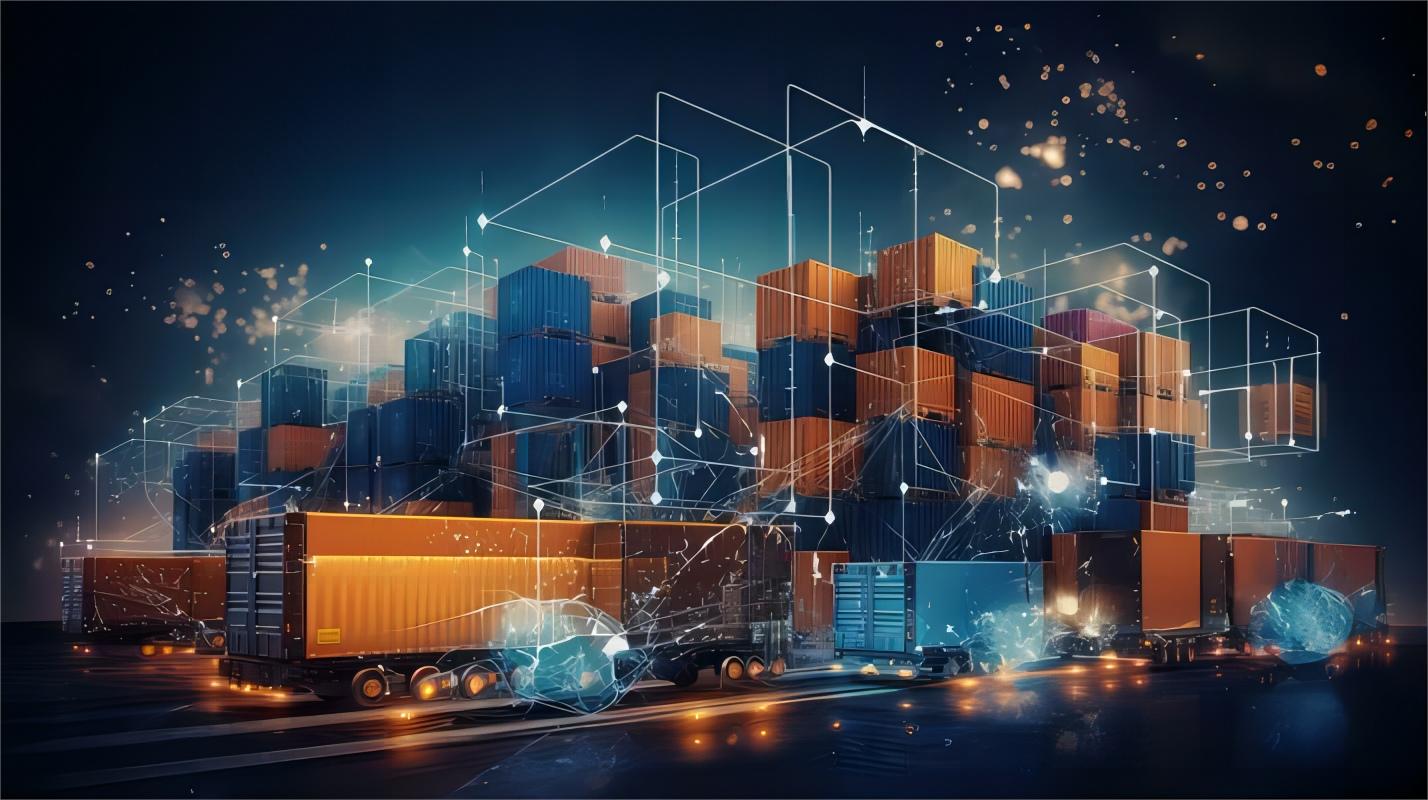
Full Container Load (FCL) shipping involves renting an entire container for your goods, which is ideal for large toy shipments. This method offers better security and faster transit times compared to shared container options. Moreover, utilizing sea freight for FCL shipments ensures that your fragile toy products are not handled multiple times during transit.
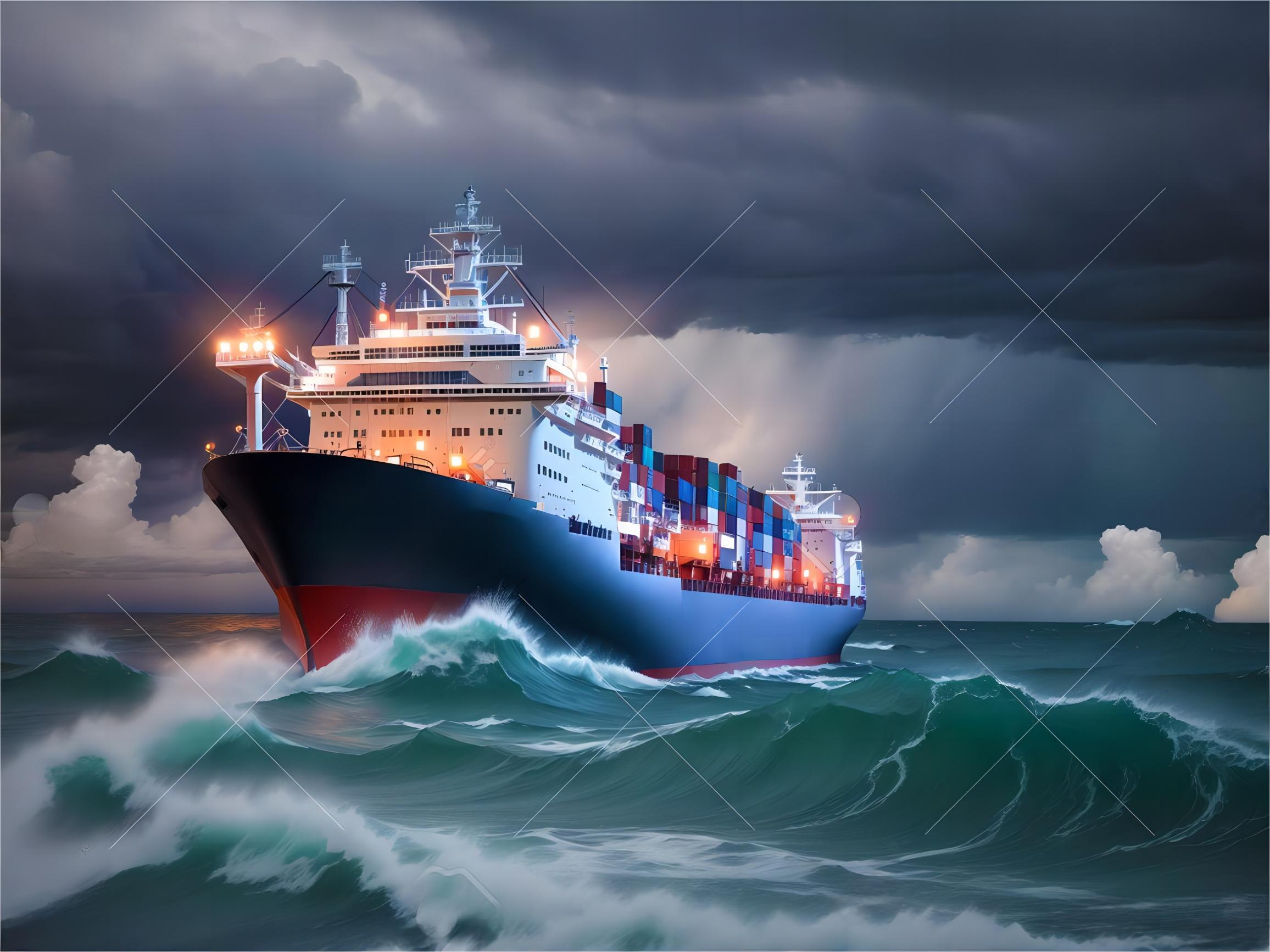
Seattle serves as a primary gateway for Asian imports due to its advanced port infrastructure and proximity to major rail networks. Therefore, businesses often prefer this route to reach customers in the Pacific Northwest efficiently. In addition, FCL shipping provides a predictable schedule that helps in maintaining consistent inventory levels for seasonal toy demands.
Benefits of FCL shipping for toys from China to Seattle
One of the primary advantages of FCL is the reduced risk of damage since the container is sealed at the origin and only opened at the destination. Furthermore, the cost per unit is significantly lower when you maximize the space of a 20ft or 40ft container. Consequently, high-volume toy retailers can achieve better profit margins by leveraging these economies of scale.
Speed is another critical factor as FCL shipments do not require the consolidation or deconsolidation processes associated with LCL. For instance, direct routes from Shanghai or Ningbo to Seattle can take as little as 14 to 18 days. As a result, you can restock your shelves faster and respond to market trends with greater agility.
How Does FCL Compare to Other Shipping Options?
Comparing different shipping methods is essential for choosing the most cost-effective strategy for your toy business. While sea freight is the standard for bulk goods, air freight might be necessary for urgent samples or high-value electronic toys. However, FCL remains the most balanced choice for standard retail inventory due to its capacity and reliability.
The following table provides an objective analysis of the viable shipping alternatives for the China to Seattle route.
| Shipping Method | Cost Range | Transit Time | Best For |
|---|---|---|---|
| FCL (20GP/40HQ) | $1,500 – $3,800 | 14-18 Days | High volume inventory |
| LCL (Per CBM) | $50 – $150 | 20-25 Days | Small test batches |
| Air Freight | $5 – $10 / kg | 3-7 Days | Urgent or high-value |
| Sea-Air Hybrid | Moderate | 10-12 Days | Balanced speed/cost |
Cost Factors in FCL shipping for toys from China to Seattle
Several variables influence the final price of shipping a full container of toys across the Pacific. Specifically, fuel surcharges, seasonal demand, and port congestion at both ends can cause rates to fluctuate weekly. Additionally, you must consider the costs of customs brokerage to ensure your shipment complies with US toy safety standards.
Market data suggests that rates typically increase by 15-25% during the peak season from August to October as retailers prepare for the holidays. To summarize, booking your shipments well in advance and working with an experienced forwarder can help you lock in more competitive rates.
Typical Container Pricing for the Seattle Route
Understanding the average market rates helps in budgeting for your procurement cycles. Note: Freight rates are subject to change based on fuel costs, carrier capacity, and seasonal demand. Contact us for a current quote tailored to your specific shipment.
Below is a breakdown of realistic price ranges based on early 2025 market trends for shipments from major Chinese ports to Seattle.
| Container Type | Ocean Freight | Port Charges | Total Estimated |
|---|---|---|---|
| 20GP Container | $1,500 – $2,200 | $300 – $500 | $1,800 – $2,700 |
| 40GP Container | $2,500 – $3,500 | $400 – $600 | $2,900 – $4,100 |
| 40HQ Container | $2,800 – $3,800 | $400 – $600 | $3,200 – $4,400 |
Case Study 1: Shipping Plush Toys from Ningbo to Seattle
Case Study 01: High-Volume Soft Toy Distribution
Route: Ningbo, China to Seattle, USA. Cargo: Plush toys, 28 CBM, 4,500 kg. Container: 20GP. Shipping Details: Carrier: COSCO, Port of Loading: Ningbo, Port of Discharge: Seattle, Route Type: Direct.
Cost Breakdown: Ocean Freight: $1,950, Origin Charges: $350, Destination Charges: $420, Customs and Duties: $800, Total Landed Cost: $3,520. Timeline: Booking to Loading: 4 days, Sea Transit: 15 days, Customs Clearance: 2 days, Total Door-to-Door: 21 days.
Key Insight: By choosing a direct route from Ningbo, the importer saved 5 days of transit time compared to transshipment options, ensuring the plush toys arrived in time for a major regional promotion.
Case Study 2: Educational Toy Kits from Shenzhen to Seattle
Case Study 02: Electronic Learning Sets Logistics
Route: Shenzhen, China to Seattle, USA. Cargo: Educational toy kits with batteries, 65 CBM, 12,000 kg. Container: 40HQ. Shipping Details: Carrier: Maersk, Port of Loading: Yantian (Shenzhen), Port of Discharge: Seattle, Route Type: Direct.
Cost Breakdown: Ocean Freight: $3,100, Origin Charges: $450, Destination Charges: $550, Customs and Duties: $1,200, Total Landed Cost: $5,300. Timeline: Booking to Loading: 6 days, Sea Transit: 17 days, Customs Clearance: 3 days, Total Door-to-Door: 26 days.
Key Insight: Proper classification of toys with electronic components was vital. Utilizing door to door service simplified the complex hazardous material documentation required for the batteries.
Which Option Should You Choose for Your Toy Business?
Deciding on the best logistics strategy depends on your specific volume and urgency. If your shipment is over 15 CBM, FCL is almost always more economical than LCL. Conversely, for smaller test batches of new toy designs, LCL might be the safer financial bet despite the higher per-unit cost.
For businesses selling on digital platforms, integrating Amazon FBA services with your FCL shipment can further optimize the last-mile delivery. In conclusion, prioritize speed for seasonal peaks and focus on FCL cost-efficiency for year-round baseline inventory.
Final Thoughts on Toy Logistics
Navigating the complexities of FCL shipping for toys from China to Seattle is much simpler with a professional partner. By understanding the costs, transit times, and documentation requirements, you can build a resilient supply chain that supports your business growth. Remember to monitor market trends and book early to secure the best possible rates for your toy shipments.
Ready to streamline your logistics?
Ready to optimize your FCL shipping for toys from China to Seattle? Contact our expert logistics team today for a customized quote and seamless shipping experience. Visit our inquiry page to get started. Send Inquiry: info@chinatopfreight.com
Request Quote