

FCL Shipping Insurance: Protecting Your Cargo from China to Germany
“Shipping a Full Container Load (FCL) from China to Germany involves a complex logistics chain. Unforeseen events can jeopardize your valuable cargo despite meticulous planning. Securing appropriate insurance for FCL shipping from China to Germany is thus a critical necessity for every importer. This guide helps you navigate marine cargo insurance, ensuring goods arrive safely.”
Understanding FCL Shipping from China to Germany
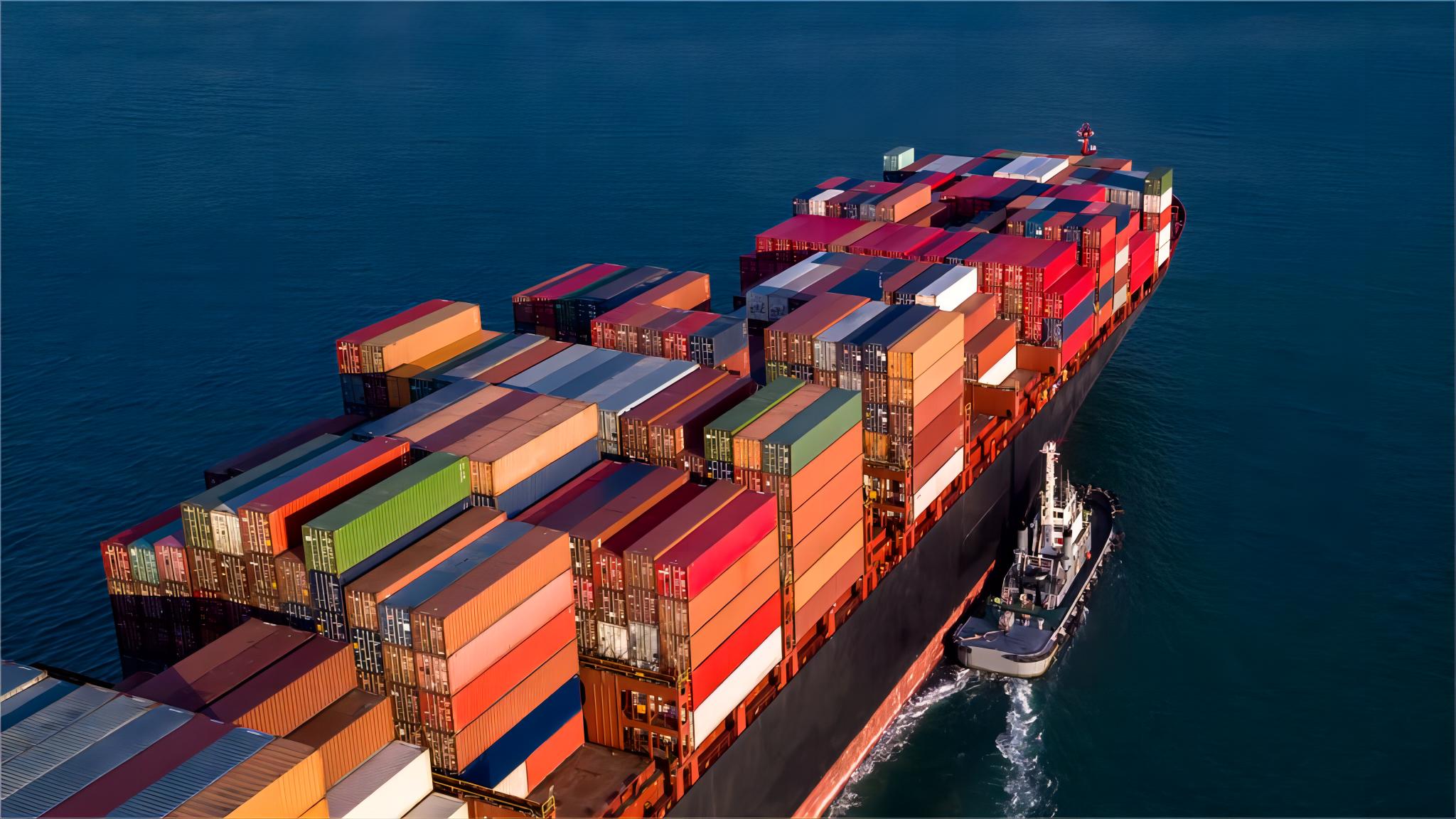
❖Full Container Load (FCL) shipping reserves an entire container for your goods. It’s popular for large imports from China to Germany, offering efficiency and security.
Shipments typically travel from major Chinese ports like Shanghai to German ports such as Hamburg. Transit times range from 28 to 35 days. This journey helps determine insurance needs.
Why is Cargo Insurance Crucial for Your FCL Shipments?
❖Importers often mistakenly believe carrier liability fully protects their cargo. However, carrier responsibility is limited, leaving investments vulnerable.
Marine cargo insurance provides essential financial protection against various transit risks like theft, weather damage, and accidents. Without coverage, losses can severely impact your business.
The long journey from China to Germany encounters logistical challenges. Investing in robust sea freight insurance is prudent, safeguarding assets and ensuring peace of mind.
What Types of Insurance Are Available for FCL Cargo?
❖Various marine cargo insurance policies exist. Understanding these options is crucial for selecting the best protection for your FCL shipments.
The three main types are Institute Cargo Clauses (ICC) A, B, and C. ICC A offers the broadest coverage, protecting against almost all risks. ICC C provides limited coverage for major incidents, while ICC B is intermediate.

Understanding Incoterms and Their Impact on Insurance
Incoterms define buyer and seller responsibilities, dictating when risk and cost transfer. Under FOB, the buyer insures once goods are loaded, making Incoterms vital.
CIF makes the seller responsible for minimum insurance to the destination port. This might be insufficient, so always review Incoterms to determine responsibilities.
How to Choose the Right Insurance Policy for Your Route?
❖Choosing the right insurance for FCL shipments requires careful consideration. First, evaluate your cargo’s value and nature; high-value goods need broader coverage like ICC A.
Next, assess specific risks on the China to Germany route, including transshipment or seasonal weather. Ensure the policy covers entire transit, including inland transport.
Partnering with an experienced freight forwarder, who understands shipping to Europe, can simplify this process. They advise on suitable policies and help secure competitive rates. Always review policy terms for exclusions.
Key Factors Influencing FCL Insurance Costs
❖The cost of door-to-door solutions and insurance for FCL shipping from China to Germany varies significantly. Premiums are typically a small percentage of your cargo’s total value.
Cargo value is the main determinant; higher value means higher premiums. Goods type also matters, with fragile or hazardous materials incurring higher rates. The chosen coverage level impacts the premium.
Additionally, the insurer’s reputation and claims history influence pricing. Seek quotes from multiple reputable insurers to compare options. The specific route and deductible amount also affect cost.
Navigating the Claims Process for FCL Shipments
❖Claims can be unavoidable, so navigating the process efficiently is vital. Upon discovering damage or loss, document everything meticulously. This minimizes disruption and helps recover losses.
Immediately notify your freight forwarder and insurance provider, providing photographic evidence and detailed descriptions. File a formal claim within the policy’s stipulated timeframe. Prompt action is crucial.
The insurance company typically appoints a surveyor to assess damage. Cooperate fully and provide all requested documents, including bills of lading and commercial invoices. A well-prepared claim package speeds up resolution.
How Does FCL Shipping Compare to Other Options for China to Germany?
❖FCL sea freight offers cost-effectiveness for large volumes compared to air freight from China to Germany. Other viable options exist based on speed, cost, and cargo type. Here’s a comparison of common shipping methods.
Choosing among these methods significantly impacts your supply chain strategy and delivery schedule. Each option presents unique advantages and limitations, affecting transit time and freight rates. FCL remains a balanced choice for many importers.
As of Q1 2025, freight rates from China to Europe have stabilized after 2024 Red Sea disruptions. However, rates remain subject to fuel surcharges and carrier capacity. Expect rates to increase 15-25% during August-October peak season. Note: Freight rates are subject to change based on fuel costs, carrier capacity, and seasonal demand. Contact us for a current quote tailored to your specific shipment.
| Shipping Method | Cost Range (40HQ approx.) | Transit Time | Key Characteristics |
|---|---|---|---|
| FCL Sea Freight | $3,000-4,200 | 28-35 days | Large volume, non-urgent, cost-sensitive; long transit, port congestion risks |
| LCL Sea Freight | $80-150/CBM | 35-45 days | Smaller volumes, cost-effective; longer transit, potential delays due to consolidation |
| Air Freight | $15,000-25,000 | 5-7 days | Urgent, high-value, perishable goods; very high cost, limited capacity for heavy/bulky items |
| Rail Freight | $8,000-12,000 | 15-20 days | Mid-size to large volumes, faster than sea, cheaper than air; limited routes, capacity constraints, potential border delays |
Which Shipping Option Should You Choose?
❖Deciding on the optimal shipping method for your goods from China to Germany involves weighing various factors. Your priorities, cargo characteristics, and budget constraints will guide this crucial decision.
If budget is your primary concern, FCL sea freight is the most economical solution for large shipments. An FCL 40HQ costs $3,000-4,200, versus air freight’s $15,000-25,000 for the same volume. This difference makes sea freight ideal.
If speed is paramount, air freight is unmatched, delivering in 5-7 days versus sea freight’s 28-35 days. Rail freight offers a balance of speed and cost, with transit times around 15-20 days. It suits goods needing quicker delivery than sea, but not extreme urgency.
Cargo type is vital; fragile or high-value items might benefit from faster air freight to minimize risk. For shipments under 15 CBM, LCL at $80-150/CBM can be more economical. FCL becomes more cost-effective than LCL once cargo exceeds 15-20 CBM.
Real-World Scenarios: Insuring FCL Shipments
❖Real-world case studies highlight the importance of comprehensive insurance for FCL shipping from China to Germany. These examples illustrate common challenges and value of proper planning.
Robust protection is constant despite evolving logistics trends. Minor incidents can escalate into significant financial burdens without adequate insurance. Proactive risk management is key.
Case Study 1: Electronics Shipment to Hamburg
This case involved a high-value electronics consignment. The client opted for ICC A coverage due to sensitive goods.
| Detail | Description |
|---|---|
| Route | Ningbo, China Hamburg, Germany |
| Cargo | Consumer Electronics, 65 CBM, 15,000 kg |
| Container | 40HQ |
| Shipping Details | Carrier: COSCO, Port of Loading: Ningbo, Port of Discharge: Hamburg, Route Type: Direct |
| Cost Breakdown | Ocean Freight: $3,800, Origin Charges: $450, Destination Charges: $550, Customs & Duties (estimated): $1,200, Total Landed Cost: $6,000 (excluding insurance) |
| Timeline | Booking to Loading: 5 days, Sea Transit: 30 days, Customs Clearance: 3 days, Total Door-to-Door: 38 days |
| Key Insight | ICC A policy covered full replacement for minor water ingress, preventing significant financial loss. This highlighted broad coverage importance. |
Case Study 2: Auto Parts to Bremerhaven
A client shipped auto parts, choosing ICC B coverage to balance cost and risk. The shipment encountered a disruptive issue.
| Detail | Description |
|---|---|
| Route | Shenzhen, China Bremerhaven, Germany |
| Cargo | Automotive Spare Parts, 58 CBM, 12,000 kg |
| Container | 40GP |
| Shipping Details | Carrier: Maersk, Port of Loading: Shenzhen, Port of Discharge: Bremerhaven, Route Type: Transshipment via Port Klang |
| Cost Breakdown | Ocean Freight: $3,200, Origin Charges: $400, Destination Charges: $500, Customs & Duties (estimated): $900, Total Landed Cost: $5,000 (excluding insurance) |
| Timeline | Booking to Loading: 6 days, Sea Transit: 35 days, Customs Clearance: 4 days, Total Door-to-Door: 45 days |
| Key Insight | ICC B policy covered general average contribution due to a vessel fire, saving substantial unexpected expense. This highlighted general average clause understanding. |
Optimizing Your Supply Chain: Beyond Just Insurance
❖While robust express service and insurance for FCL shipping from China to Germany is fundamental, a holistic approach optimizes your supply chain. Integrate advanced tracking for real-time visibility, allowing quicker responses to delays.
Regularly review logistics partners and contracts to meet evolving needs. Strong relationships with reliable freight forwarders enhance efficiency and reduce risks. Optimize container utilization to lower overall rail freight shipping costs.
Continuous improvement in supply chain processes, coupled with comprehensive insurance, fortifies importing operations. It ensures resilience against market fluctuations and unforeseen events, contributing directly to business success.
Ensuring Secure and Efficient FCL Shipping from China to Germany
Adequate insurance for FCL shipping from China to Germany is indispensable for successful international trade. It safeguards against numerous logistics risks, protecting your financial investment and supply chain integrity. Understanding coverage, costs, and claims mitigates disruptions effectively.
Selecting the right logistics partner and optimizing your shipping strategy enhances security and efficiency. With careful planning and comprehensive insurance, your FCL shipments confidently reach their German destination. Protect your cargo, protect your business, and achieve peace of mind.
Ready to streamline your logistics?
Ready to secure your next FCL shipment from China to Germany? Don’t leave your valuable cargo to chance. Contact us today for a personalized quote on comprehensive cargo insurance and tailored logistics solutions.
Request Quote