

- By kelly
- December 2, 2025
- Tips or Guide
Flat Rack FCL Best Route for Electronics from China to California
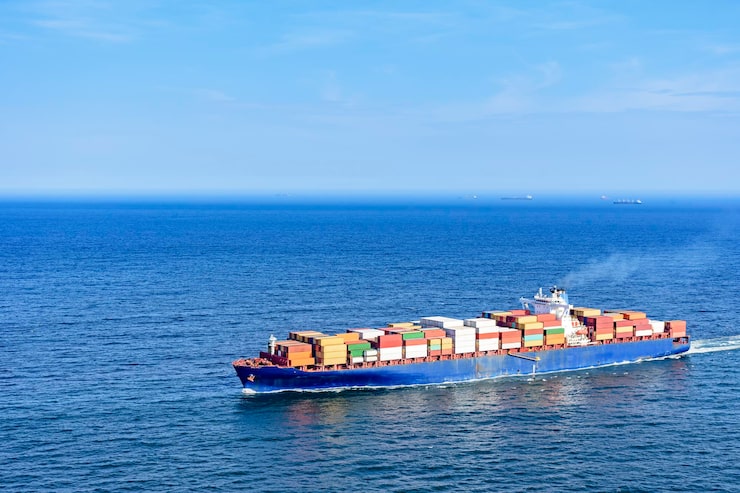
Shipping oversized or high-value electronics safely and efficiently requires both the right container and the right route. Choosing the Flat Rack FCL best route for electronics from China to California ensures your cargo arrives securely, on time, and within budget. In this guide, we’ll break down the best practices, shipping lanes, costs, and documentation needed to optimize flat rack shipping for electronic equipment.
1. What Is Flat Rack FCL and Why Is It Ideal for Electronics?
Flat Rack FCL (Full Container Load) shipping uses containers with open sides and no roof—ideal for heavy, tall, or irregularly shaped electronics that cannot fit into a standard container.
Why electronics shippers choose flat rack:
- Large or bulky equipment (e.g., server racks, display walls, production machines)
- Equipment sensitive to improper stacking or co-loading
- Simplified crane or forklift loading from the side or top
- Dedicated container space (FCL) ensures maximum safety and control
Moreover, using FCL with flat rack ensures secure handling, reduces the risk of vibration or impact damage, and simplifies documentation for complex loads.
2. What Are the Best Shipping Routes from China to California for Electronics?
Choosing the correct port pairing and carrier route can significantly impact your timeline and cost.
Best Route Options for Flat Rack FCL
| Origin Port | California Port | Route Type | Estimated Transit Time |
|---|---|---|---|
| Shanghai | Los Angeles (LA) | Direct Vessel | 14–17 days |
| Ningbo | Long Beach (LB) | Direct Vessel | 15–18 days |
| Shenzhen | Oakland (OAK) | Indirect (via LA/LB) | 16–20 days |
| Qingdao | Los Angeles (LA) | Transshipment | 18–22 days |
Los Angeles and Long Beach are the most popular ports due to their proximity to tech hubs like Silicon Valley and San Diego.
3. How Much Does Flat Rack FCL Shipping Cost for Electronics?

Flat rack shipping involves specific charges beyond typical container freight.
Flat Rack FCL Pricing Overview
| Cost Element | Estimated Rate (USD) |
|---|---|
| Ocean Freight (Base) | $4,200 – $6,800 |
| Flat Rack Equipment Surcharge | $500 – $1,200 |
| Lashing & Securing Services | $300 – $700 |
| Terminal Handling Charges (THC) | $250 – $400 |
| Insurance (Recommended) | $100 – $400 |
| Inland Trucking (Optional) | $400 – $900 |
Total cost depends on cargo type, size, and whether inland delivery is needed.
4. What Documents Are Required for Flat Rack FCL Electronics Shipments?
To prevent delays at U.S. customs, proper documentation is essential.
Customs Document Checklist
| Document | Purpose |
|---|---|
| Commercial Invoice | Declares product value and HS code |
| Packing List | Describes dimensions and weight |
| Bill of Lading | Contract of carriage |
| ISF (Importer Security Filing) | U.S. pre-arrival declaration (10+2 rule) |
| FCC Compliance (if required) | Required for certain electronics |
| Certificate of Origin | Needed for tariff classification and proof |
Accurate documentation ensures faster clearance at ports like LA and Long Beach.
5. Which Port in California Is Best for Electronics Imports?
Selecting the right destination port depends on your final delivery location and cargo handling needs.
Top Port Comparisons
| Port | Strengths | Weaknesses |
|---|---|---|
| Los Angeles | Largest port, direct vessel access, tech-ready | Congestion during peak seasons |
| Long Beach | Proximity to LA port, high automation | Occasional delays due to traffic |
| Oakland | Closer to Northern California tech firms | Fewer direct China sailings |
For most shipments, Los Angeles or Long Beach is optimal for access to Southern California distribution.
6. How Does Flat Rack FCL Compare with Other Shipping Modes for Electronics?
Flat rack isn’t your only option, but it offers advantages when equipment is oversized or fragile.
Shipping Mode Comparison
| Mode | Cost | Transit Time | Pros | Cons |
|---|---|---|---|---|
| Flat Rack FCL | $$$ | 14–22 days | Best for oversized electronics | Requires lashing, more coordination |
| Dry FCL | $$ | 13–20 days | Cheaper, good for boxed goods | Can’t handle irregular shapes |
| LCL | $–$$ | 18–25 days | Economical for small loads | Risk of damage from co-loading |
| Air Freight | $$$$$ | 2–5 days | Fastest, safe for urgent delivery | Extremely expensive |
For most B2B electronics, flat rack FCL provides the best safety/cost balance for large machines.
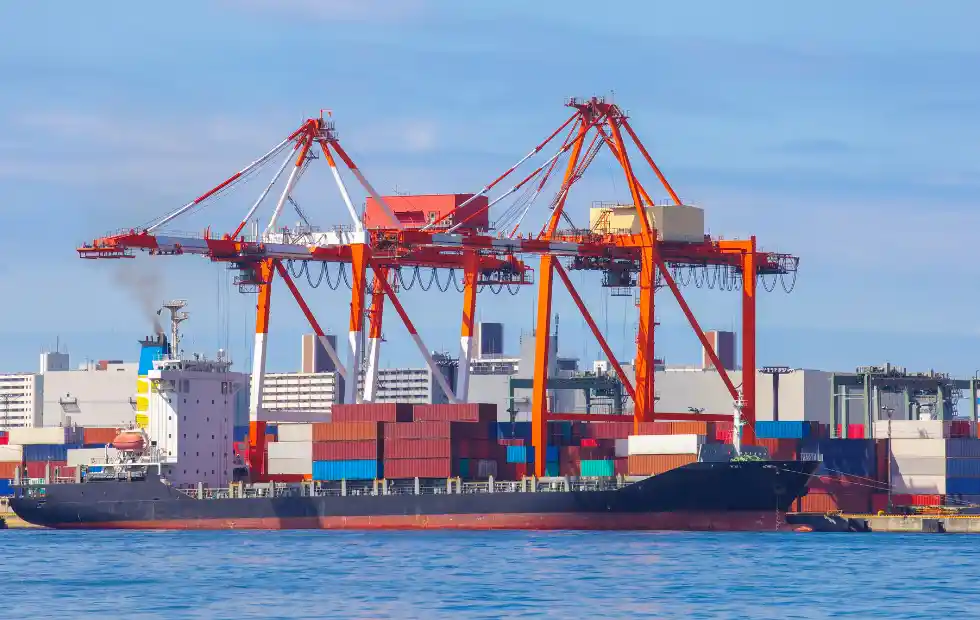
7. How Do You Secure Electronics in a Flat Rack Container?
Electronics are sensitive to impact, vibration, and weather. Proper securing is non-negotiable.
Key Practices for Securing Cargo
- Use certified wooden crating with internal cushioning
- Employ steel straps or chains for heavy equipment
- Add corner and edge protectors to avoid pressure damage
- Use anti-static packaging for sensitive circuits
- Include clear handling instructions on crates
Additionally, ensure a professional lashing plan is submitted to the carrier pre-loading.
8. What Are the Risks If You Choose the Wrong Route or Carrier?
Incorrect routing can lead to delays, extra charges, and product damage.
Potential Pitfalls:
- Port congestion leading to long dwell times
- Incorrect carrier choice with limited flat rack experience
- Transshipment delays if using non-direct sailings
- Improper lashing causing load shifts during ocean transit
- ISF filing errors leading to customs fines
Therefore, partnering with a specialized forwarder with flat rack expertise is essential.
9. When Is the Best Time to Ship Flat Rack Electronics from China to California?
Peak season and global supply chain volatility can affect shipping efficiency and cost.
Best Timing Strategies:
- Ship between January–April or September–October
- Avoid Q4 holiday surge (Nov–Dec)
- Book at least 3–4 weeks in advance for flat rack containers
- Monitor port congestion trends weekly before booking
- Confirm equipment availability for lashing and crane handling
Planning proactively ensures your container moves on schedule without incurring demurrage.
10. How Does Flat Rack FCL Impact Your Supply Chain Strategy?
Using the best route with reliable tracking and port access improves your entire operation.
Supply Chain Benefits:
- Predictable transit for project-based deliveries
- Faster unloading due to simplified access
- Fewer customs delays with pre-clearance
- Better communication with partners through tracking portals
- Enhanced inventory control for high-value electronics
Thus, route optimization is about more than speed—it’s about total efficiency.
📦Get a Free Quote
Are you ready to optimize your Flat Rack FCL best route for electronics from China to California? At ChinaTopFreight, we specialize in flat rack logistics for high-value electronic equipment. From route planning and container booking to lashing, tracking, and U.S. customs, we manage it all. Contact us today to secure your ideal route and avoid costly mistakes.
❓ Frequently Asked Questions
Q1: How do I choose the best route for shipping electronics via Flat Rack FCL?
Choose a direct route from a major Chinese port to Los Angeles or Long Beach, minimizing transshipments and delays.
Q2: Is flat rack FCL the safest option for electronics?
Yes, especially for oversized or fragile equipment. Proper lashing and exclusive space reduce handling risks.
Q3: What Incoterms are best for flat rack shipments?
FOB is recommended so you control freight and carrier selection, ensuring proper flat rack handling.
Q4: How early should I book a flat rack container?
Book 3–4 weeks in advance, especially during peak seasons, to secure equipment and carrier space.
Q5: Can I track my flat rack shipment in real-time?
Yes. Most carriers offer online portals, and advanced forwarders provide GPS-based tracking and status alerts.
Conclusion
Finding the Flat Rack FCL best route for electronics from China to California means more than just selecting a port—it’s about aligning timing, cargo needs, customs, and inland delivery. With the right forwarder, accurate documentation, and well-chosen shipping lanes, your flat rack shipments can move smoothly across the Pacific. Whether you’re importing production machinery or specialized electronics, smart planning ensures reliability and cost savings. Choose flat rack FCL shipping the smart way—and keep your supply chain strong from factory to final destination.