

Flat Rack FCL container shortage solution for auto parts from China to Europe
Navigating the complexities of international trade requires a strategic partnership with an experienced provider like China Top Freight to ensure seamless delivery. Currently, many automotive manufacturers and distributors face significant hurdles when seeking a Flat Rack FCL container shortage solution for auto parts from China to Europe. This scarcity of specialized equipment often leads to delayed production schedules and increased overhead costs across the entire supply chain. Consequently, businesses must adopt innovative logistics strategies to maintain their competitive edge in the European market.
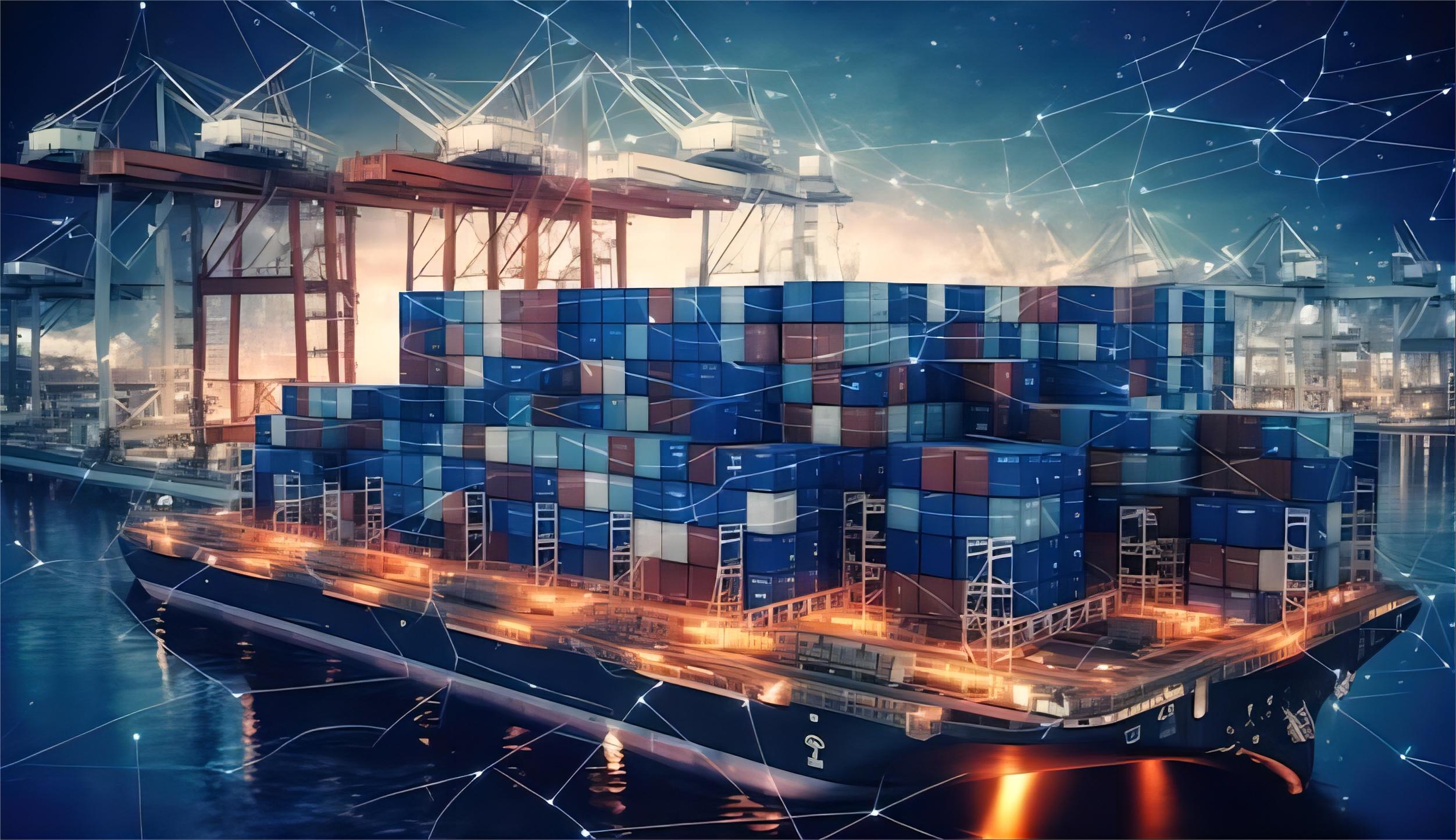
What caused the current Flat Rack FCL container shortage?
Global trade imbalances have led to a significant deficit of specialized equipment at major Chinese manufacturing hubs. Specifically, the high demand for oversized cargo handling has outpaced the repositioning of flat rack units from European ports back to Asia. Many carriers prioritize standard dry vans because they are easier to manage and turn around quickly in congested terminals.
Furthermore, recent disruptions in maritime routes have extended transit times, effectively locking up available equipment for longer periods. This situation forces exporters to wait weeks for a single flat rack unit, which stalls the movement of heavy engine blocks and chassis components. Therefore, understanding the underlying causes of this equipment crunch is the first step toward finding a viable Flat Rack FCL container shortage solution for auto parts from China to Europe.
How to find a Flat Rack FCL container shortage solution for auto parts from China to Europe?
Shippers can explore several alternative strategies to mitigate the impact of equipment scarcity. One effective method involves utilizing 40ft Open Top containers if the height of the auto parts allows for top-loading instead of side-loading. Another approach is to consider sea freight using platform containers, which lack end-walls but provide the necessary base for heavy machinery.
Moreover, some logistics managers are turning to Shipper Owned Containers (SOC) to bypass carrier equipment pools entirely. While this requires a higher upfront investment, it guarantees availability and eliminates per-diem charges during peak seasons. Additionally, flexible scheduling and booking at least 4-6 weeks in advance can help secure space on vessels that specialize in out-of-gauge (OOG) cargo handling.
How Does Flat Rack Shipping Compare to Other Options?
Evaluating the best transport mode requires a deep dive into cost, speed, and safety requirements for automotive components. While flat racks are ideal for side-loading heavy parts, they are not always the most cost-effective choice during a shortage. In contrast, breakbulk shipping might be more suitable for exceptionally large consignments that cannot fit into any standard container configuration.
Industry average for this route suggests that multi-modal solutions often provide the best balance between price and performance. For instance, combining short-sea shipping with inland trucking can sometimes bypass the most congested container terminals. The following table provides an objective analysis of the primary shipping methods available for this specific trade lane.
| Shipping Method | Cost Range | Transit Time | Best For |
|---|---|---|---|
| Flat Rack FCL | $4,500 – $6,500 | 35-45 Days | Heavy/Oversized Parts |
| Open Top FCL | $4,000 – $5,800 | 35-45 Days | Tall Components |
| Rail Freight | $6,000 – $8,500 | 18-22 Days | Urgent Shipments |
| Breakbulk | Varies by Volume | 40-50 Days | Extremely Large Items |

Can Rail Freight serve as a viable alternative?
Reliable rail freight services offer a compelling middle ground for companies needing faster transit than sea but lower costs than air. Indeed, the Iron Silk Road has become a staple for automotive supply chains connecting Xi’an or Chengdu to Duisburg and Warsaw. This route typically shaves off more than 20 days compared to traditional maritime transport via the Suez Canal.
However, shippers must ensure their packaging is robust enough to handle the vibrations and shunting involved in rail transport. Most rail operators can accommodate specialized containers, though availability can also fluctuate based on seasonal demand. Consequently, rail remains a top-tier Flat Rack FCL container shortage solution for auto parts from China to Europe when time-to-market is critical.
Why is Customs Brokerage essential for automotive exports?
Navigating the complex regulatory environment in both China and the European Union requires expert knowledge of HS codes and duty structures. Professional customs brokerage services ensure that all documentation, including Certificates of Origin and technical specifications, is perfectly aligned. Errors in paperwork can lead to expensive storage fees at the port of discharge, further inflating the total landed cost.
Moreover, European customs authorities frequently inspect automotive shipments to ensure compliance with environmental and safety standards. Having a broker who understands the specific requirements for auto parts can prevent unnecessary delays. Therefore, integrating customs expertise into your logistics plan is vital for maintaining a predictable delivery schedule.
Should you choose Door to Door service for auto parts?
Implementing a door to door strategy simplifies the entire procurement process by consolidating multiple logistics steps under a single point of contact. This model is particularly beneficial for auto parts, which often require specialized transport from the factory to the loading port and from the destination port to the final assembly line. It reduces the risk of cargo damage by minimizing the number of times the goods are handled.
Additionally, a comprehensive door-to-door solution includes inland haulage, port handling, and final mile delivery. This level of integration allows for better tracking and more accurate transit time estimates. Without a doubt, this approach provides the most peace of mind for European importers dealing with the complexities of Chinese manufacturing hubs.

What are the logistics trends for China to Europe shipping in 2025?
Market data suggests that freight rates from China to Europe have stabilized after the significant disruptions seen in previous years. Nevertheless, the demand for green logistics and carbon-neutral transport is beginning to influence carrier choices and route planning. Digitalization is also playing a larger role, with real-time tracking and AI-driven demand forecasting becoming standard requirements for major automotive brands.
According to industry benchmarks, the focus is shifting toward supply chain resilience rather than just-in-time delivery. Many companies are now keeping higher safety stocks in European warehouses to buffer against potential equipment shortages. As a result, the search for a Flat Rack FCL container shortage solution for auto parts from China to Europe has become a permanent part of strategic planning.
Real-World Case Studies in Automotive Logistics
Examining actual shipping scenarios provides valuable insights into how successful companies manage equipment shortages. These examples highlight the costs, timelines, and strategic choices made by logistics professionals in the current market. Typical rates as of early 2025 reflect a moderate increase in surcharges for specialized equipment.
Note: Freight rates are subject to change based on fuel costs, carrier capacity, and seasonal demand. Contact us for a current quote tailored to your specific shipment.
Case Study 1: Transmission Systems to Germany
Route: Shanghai, China to Hamburg, Germany. Cargo: 15 sets of heavy transmission systems, 28 CBM, 14,000 kg. Container: 40ft Flat Rack (SOC). Shipping Details: Carrier: Major carrier, Port of Loading: Shanghai, Port of Discharge: Hamburg, Route Type: Direct via Suez. Cost Breakdown: Ocean Freight: $5,200; Origin Charges: $450; Destination Charges: $600; Customs & Duties: $1,200; Total Landed Cost: $7,450. Timeline: Booking to Loading: 10 days; Sea Transit: 38 days; Customs Clearance: 3 days; Total Door-to-Door: 51 days. Key Insight: Using a Shipper Owned Container allowed the client to bypass a 3-week wait for carrier equipment.
Case Study 2: Chassis Components to Poland
Route: Ningbo, China to Warsaw, Poland. Cargo: Structural chassis components, 22 CBM, 11,000 kg. Container: 40ft Open Top. Shipping Details: Service: Rail Freight, Port of Loading: Ningbo (via Xi’an), Port of Discharge: Malaszewicze terminal, Route Type: Rail Silk Road. Cost Breakdown: Rail Freight: $6,800; Origin Charges: $300; Destination Charges: $400; Customs & Duties: $950; Total Landed Cost: $8,450. Timeline: Booking to Loading: 7 days; Rail Transit: 20 days; Customs Clearance: 2 days; Total Door-to-Door: 29 days. Key Insight: Switching from sea to rail saved 18 days, which was critical for the client’s production line assembly.
Which Option Should You Choose?
Budget priority: If cost is your main concern, sea freight using a standard 40HQ container is best, provided your parts can be disassembled to fit. Speed priority: When deadlines are tight, rail freight is the most reliable alternative to avoid the long maritime transit times around the Cape of Good Hope. Cargo type considerations: For extremely heavy or wide parts that cannot be dismantled, a flat rack or breakbulk vessel remains the only viable choice.
Volume thresholds also play a significant role in your decision-making process. For shipments under 15 CBM, LCL might be more economical, but the risk of damage increases with multiple handling points. In contrast, FCL provides better security and faster clearance for high-value automotive components. Always consult with a freight forwarder to evaluate the most current equipment availability and pricing.
Summary of Automotive Shipping Solutions
Successfully managing the Flat Rack FCL container shortage solution for auto parts from China to Europe involves a combination of early booking, equipment flexibility, and multi-modal transport. While the current market presents challenges, leveraging rail freight and open-top containers can provide the necessary reliability for your operations. By partnering with an experienced logistics provider, you can navigate equipment deficits and ensure your cargo handling meets the highest standards.
Indeed, the automotive industry requires precision in every step of the logistics chain. Staying informed about logistics trends and maintaining a flexible approach to container types will help you overcome any shortage. Prioritize resilience and clear communication with your freight partner to sustain your import and export activities effectively.
Ready to streamline your logistics?
Securing a Flat Rack FCL container shortage solution for auto parts from China to Europe requires proactive planning and expert execution. Our team provides tailored logistics strategies to keep your automotive supply chain moving without delays. Reach out today for a personalized quote and expert guidance on your next shipment. Send Inquiry: https://chinatopfreight.com/
Request Quote