

- By carlie tj
- December 4, 2025
- Tips or Guide, Transport
Shipping large, high-value devices like MRI or CT scanners demands precision. Managing Flat Rack FCL demurrage prevention for medical equipment from China to California is essential to control port storage fees, reduce delays, and maintain stable supply chains. Partnering with an experienced forwarder like ChinaTopFreight ensures compliance, efficiency, and professional coordination from factory to destination.
1. What Is Flat Rack FCL Shipping and Why Is It Crucial for Medical Equipment?
Flat Rack FCL (Full Container Load) shipping is ideal for oversized or irregular medical cargo. Unlike standard containers, flat racks handle bulky imaging systems, lab modules, or hospital machinery securely. However, limited free-time storage means poor coordination quickly leads to demurrage fees. Therefore, proper scheduling and documentation become vital to ensure cargo moves swiftly through ports.
2. Why Does Demurrage Commonly Affect Flat Rack Medical Shipments?
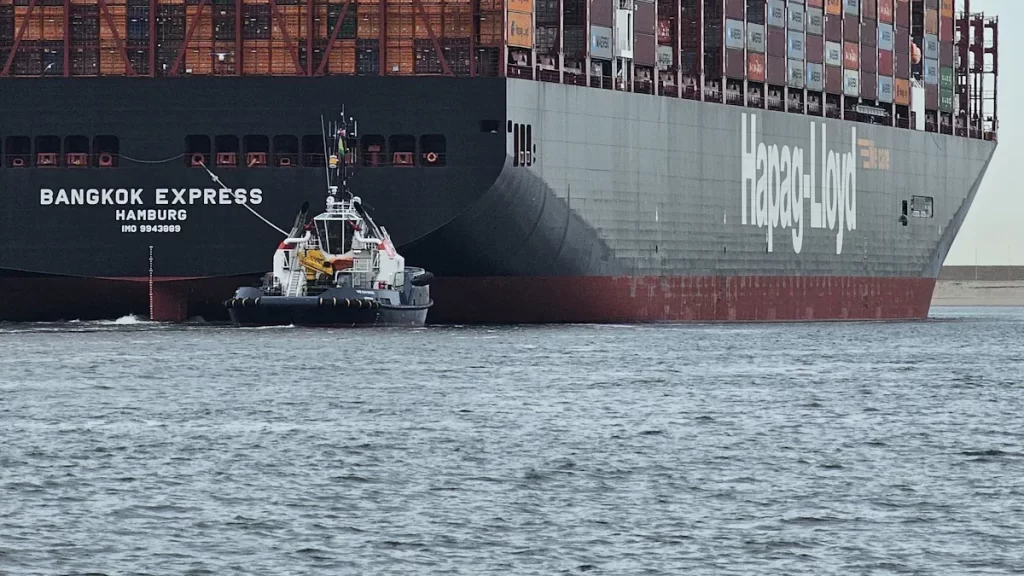
Demurrage occurs when containers stay too long at terminals beyond the free period. Flat rack loads, which require cranes and special handling, face extra risk. Customs inspections, truck delays, or missing documents often trigger fees. Moreover, congested California ports such as Long Beach and Los Angeles amplify timing pressures for medical importers.
3. How to Plan Effective Flat Rack FCL Demurrage Prevention?
Demurrage prevention starts with strategic planning and end-to-end visibility. You should:
- Pre-book shipping slots early.
- Verify export readiness and documentation accuracy.
- Coordinate arrival schedules with truckers.
- Track shipments digitally for real-time updates.
- Communicate promptly with terminal operators.
A proactive approach not only reduces port costs but also ensures uninterrupted healthcare logistics.
4. What Are the Key Customs Documents for Medical Equipment?
Incomplete or inaccurate paperwork remains the leading cause of demurrage. Every document must comply with Chinese export laws and U.S. FDA regulations.
Required Documents Include:
- Bill of Lading
- Commercial Invoice
- Packing List
- Importer Security Filing (ISF)
- HS Codes & FDA Certificates
- Radiation Device Declaration (if applicable)
Timely submission prevents customs holds and delays.
Table 1: Comparison of Shipping Methods for Medical Equipment
| Shipping Method | Avg. Cost (USD) | Transit Time | Suitability |
|---|---|---|---|
| Flat Rack FCL | 6,000–8,000 | 16–20 days | Best for oversized, sensitive cargo |
| Standard FCL | 4,500–6,000 | 14–18 days | For regular equipment pallets |
| Air Freight | 10,000–15,000 | 2–5 days | Urgent or lightweight shipments |
| LCL (Consolidated) | 3,000–4,000 | 20–28 days | Small non-urgent loads |
5. How Do Port Operations Impact Flat Rack Demurrage Fees?
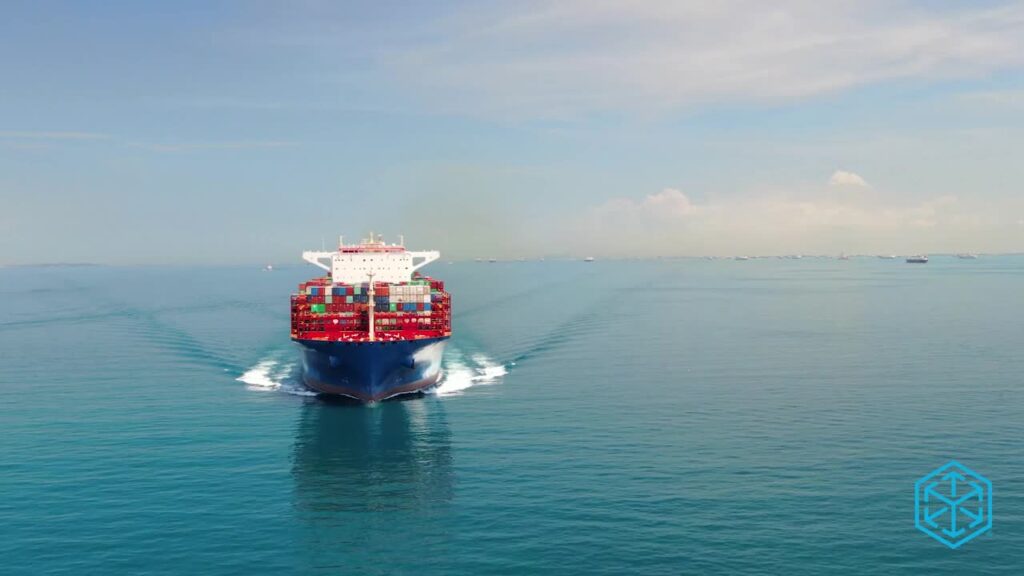
Port congestion and slow unloading cause additional fees. California’s terminals handle thousands of TEUs daily, leaving minimal flexibility for oversized racks. Furthermore, delays in securing cranes or special chassis can easily exceed free storage days. Therefore, scheduling discharge times ahead of arrival is crucial.
6. What Role Does a Freight Forwarder Play in Demurrage Prevention?
A professional freight forwarder coordinates all stages of the shipment. For instance, ChinaTopFreight arranges terminal clearance, equipment insurance, truck reservations, and customs documentation. Moreover, experienced agents monitor vessel timelines and liaise with port authorities, reducing the risk of miscommunication and unplanned storage.
7. How Does Technology Support Real-Time Flat Rack Shipment Monitoring?
Tracking systems allow stakeholders to monitor container locations, ETA changes, and gate-in/out times. Additionally, digital alerts inform you about potential congestion or weather disruptions, enabling rescheduling before fees apply. Modern visibility platforms dramatically improve coordination between shippers, truckers, and terminals.
Table 2: Typical Demurrage-Free Periods and Associated Fees
| Port | Free Days | Daily Fee (After Free Time) | Notes |
|---|---|---|---|
| Los Angeles | 5 days | $150–$250 | Peak-season surcharges apply |
| Long Beach | 4 days | $175–$300 | Flat rack handling adds time |
| Oakland | 6 days | $125–$200 | Less congested than LA ports |
| San Diego | 5 days | $100–$180 | Good for smaller deliveries |
8. What Are the Best Practices for Long-Term Demurrage Prevention?
To sustain consistent control:
- Establish Standard Operating Procedures (SOPs).
- Use a dedicated customs broker for medical equipment.
- Maintain ongoing communication with suppliers.
- Schedule delivery appointments before arrival.
- Conduct post-shipment performance reviews to detect recurring issues.
Continuous improvement keeps costs low and ensures smooth future shipments.
9. What Insurance and Liability Measures Should You Consider?
Medical equipment represents high-value cargo, often exceeding hundreds of thousands of dollars. Although insurance cannot stop demurrage, it covers losses due to damage, delays, or weather impacts. Therefore, combining insurance with careful logistics planning provides full financial protection.
10.Conclusion
Effective Flat Rack FCL demurrage prevention for medical equipment from China to California requires proactive scheduling, document accuracy, and reliable partnerships. By combining digital visibility, early bookings, and expert freight management, importers safeguard both equipment and budget. Working with professional forwarders like ChinaTopFreight ensures smooth, timely deliveries while avoiding costly demurrage disruptions.
Request a Quote
China Top Freight offers:
- ✅ Origin and Destination Countries
- ✅ Cargo Type and Volume
- ✅ Preferred Transport Method (Air, Sea, Rail, Road)
- ✅ Delivery Timeline
- ✅ Special Handling Requirements (if any)
FAQ
1. What is the main cause of demurrage in flat rack shipments?
Demurrage often results from customs delays, late trucking, missing paperwork, or terminal congestion that prevents container retrieval within the free-time window.
2. How long is the typical free-time period at U.S. ports?
Most carriers provide between three and six free days before demurrage charges begin, depending on the terminal and equipment type.
3. Can digital tracking platforms reduce demurrage risks?
Tracking technology improves visibility, allowing quick response to disruptions, accurate ETAs, and better coordination between carriers, customs, and truckers.
4. Why is demurrage particularly costly for medical shipments?
Medical devices are oversized, sensitive, and regulated, requiring specialized handling, inspection, and documentation that increase potential delay exposure.
5. What is the difference between demurrage and detention?
Demurrage applies while cargo stays inside the terminal; detention occurs when containers are held outside beyond the carrier’s allowed time limit.