

- By carlie tj
- December 8, 2025
- Tips or Guide, Transport
Avoiding costly detention charges is essential for lighting manufacturers shipping abroad. With Flat Rack FCL detention prevention for lighting from China to California, companies can streamline their operations, reduce port delays, and protect profit margins. Visit China Top Freight for professional shipping solutions designed to eliminate detention risks through timely coordination, documentation accuracy, and expert route management.
1. What Is Flat Rack FCL Shipping and Why Is It Used for Lighting?
A Flat Rack FCL (Full Container Load) is an open container with no sidewalls or roof, perfect for oversized or irregularly shaped cargo such as lighting poles, fixtures, or structural frames.
Lighting products—especially architectural and industrial types—often exceed the height or width limits of standard containers. Therefore, flat racks provide flexibility, easier loading, and safety for fragile lighting structures during long-distance sea transport.
Moreover, using FCL ensures exclusive use of the container, protecting your cargo from damage and inspection delays associated with LCL consolidation.
2. What Does Detention Mean in Flat Rack FCL Shipping?
Detention refers to the charges shipping lines impose when containers are kept beyond the allowed free time outside the terminal—usually during loading or unloading.
For flat racks, detention costs are higher because of limited container availability.
When shipping lighting from China to California, avoiding detention requires careful timing between vessel arrival, customs clearance, and inland delivery scheduling.
3. How Long Does Flat Rack FCL Transit Take from China to California?
Transit time varies based on the origin port, shipping line, and destination terminal. Below is an overview of average schedules:
| Route | Port of Origin (China) | Destination Port (California) | Average Transit Time (Days) |
|---|---|---|---|
| Shanghai – Los Angeles | Shanghai Port | Los Angeles Port | 16–20 |
| Ningbo – Long Beach | Ningbo Port | Long Beach Port | 18–22 |
| Shenzhen – Oakland | Yantian Port | Oakland Port | 20–25 |
| Qingdao – Los Angeles | Qingdao Port | Los Angeles Port | 21–26 |
Understanding these timelines helps lighting exporters align logistics planning and minimize detention penalties.
4. Why Is Detention Prevention Crucial for Lighting Shipments?
Lighting products are often large, fragile, and subject to complex installation schedules. Delays can lead to:
- High storage and demurrage costs
- Missed project deadlines
- Extra crane or truck fees for re-delivery
Moreover, detention costs for flat racks can range from $100 to $300 per day after the free period. Preventing these charges ensures cost stability and reliable customer satisfaction.
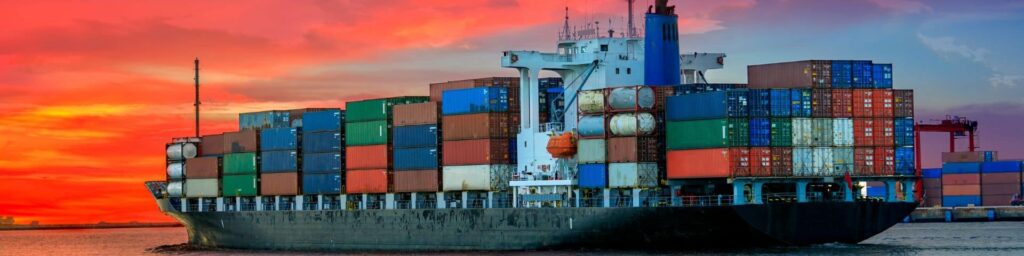
5. What Causes Detention in Flat Rack FCL Shipments?
Detention typically arises from:
- Late documentation or missing import permits
- Port congestion in Los Angeles or Long Beach
- Incomplete customs declarations
- Miscommunication between forwarders, consignees, and trucking companies
- Unavailable unloading equipment at destination
Proactive communication between suppliers, freight forwarders, and receivers is key to preventing these avoidable delays.
6. How to Plan Effective Flat Rack FCL Detention Prevention?
Follow these proven strategies to minimize detention risks:
- Pre-clear documentation before the vessel arrives.
- Book inland transport in advance to ensure prompt container return.
- Coordinate unloading equipment—especially cranes or forklifts—before container arrival.
- Monitor vessel schedules daily to anticipate delays.
- Communicate with port agents for real-time updates.
Effective logistics coordination saves time, reduces demurrage, and ensures uninterrupted supply chain flow.
7. What Shipping Methods Can Complement Flat Rack FCL?
Depending on lighting size, exporters may combine shipping modes to balance cost and speed.
| Method | Cost Efficiency | Transit Time (Days) | Best For | Pros | Cons |
|---|---|---|---|---|---|
| Flat Rack FCL | High | 18–25 | Oversized lighting | Safe, secure | Needs special handling |
| 40HQ Dry FCL | Moderate | 18–25 | Standard lighting parts | Cheaper | Not for oversized goods |
| Air Freight | Low | 5–7 | Urgent lighting components | Fast | Expensive |
| Rail + Sea | Medium | 25–30 | Mixed cargo | Balanced | Limited service areas |
Selecting the right combination prevents idle time and ensures cost-effective transport.
8. How Do Documentation Practices Affect Detention Prevention?
Timely paperwork directly impacts how quickly your container clears customs and gets returned.
Essential documents include:
| Document Type | Purpose | Best Practice |
|---|---|---|
| Bill of Lading | Confirms ownership | Verify accuracy before loading |
| Commercial Invoice | Declares shipment value | Match with packing list details |
| Packing List | Describes goods | Include full item specifications |
| Import License | Regulatory compliance | Submit pre-shipment |
| Delivery Order | Enables pickup | Request early to schedule trucking |
Even a minor documentation error can trigger inspection or clearance delays, causing detention costs.
9.How Does Choosing the Right Freight Forwarder Reduce Detention Risk?
Professional freight forwarders like China Top Freight offer end-to-end management:
- Vessel booking optimization
- Documentation review and customs support
- Real-time shipment tracking
- Coordination with trucking and warehousing teams
Their expertise ensures smooth operations, particularly for fragile lighting equipment requiring special loading and delivery attention.
Request a Quote
China Top Freight offers:
- ✅ Origin and Destination Countries
- ✅ Cargo Type and Volume
- ✅ Preferred Transport Method (Air, Sea, Rail, Road)
- ✅ Delivery Timeline
- ✅ Special Handling Requirements (if any)
FAQ
1. What causes most detention issues in flat rack shipments?
Delays often occur due to slow customs clearance, missing import permits, or poor coordination with local trucking services.
2. How long is the free time for flat rack containers in California?
Carriers usually offer 5–7 days of free time before detention fees begin accumulating on flat rack shipments.
3. Which Californian ports are most efficient for lighting imports?
Los Angeles, Long Beach, and Oakland ports offer top facilities for handling oversized lighting cargo quickly and securely.
4. How can exporters prevent detention at destination ports?
Pre-plan customs documents, confirm unloading equipment, and coordinate trucking appointments before the vessel arrives.
5. What are the average detention charges per day?
Depending on the carrier, detention fees range from $100 to $300 per day after the allotted free time expires.
Conclusion
Effective Flat Rack FCL detention prevention for lighting from China to California requires coordination, preparation, and real-time tracking.
By ensuring accurate documentation, early booking, and reliable inland logistics, exporters can avoid costly delays and maintain supply chain integrity.
Partnering with trusted logistics professionals like China Top Freight guarantees streamlined operations, minimized detention fees, and safe, timely delivery of all lighting products to California.