

- By kelly
- November 24, 2025
- Tips or Guide, Transport
Flat Rack FCL Detention Prevention for Lighting from China to Europe

Managing Flat Rack FCL detention prevention for lighting from China to Europe is crucial because lighting products often involve oversized packaging, fragile components, and strict delivery schedules. However, many shippers face detention charges caused by delays in loading, port congestion, customs inspections, and improper documentation. This guide explains how to avoid detention, reduce costs, and ensure smoother shipments to Europe.
1. What Makes Detention Prevention Important for Flat Rack FCL Lighting Shipments?
Lighting products such as LED panels, street lamps, industrial fixtures, and architectural lighting often require oversized packaging. Additionally, Flat Rack containers are limited in supply and subject to strict carrier rules. Therefore, avoiding detention charges is essential for cost control and timely delivery.
Why Lighting Products Face Higher Risk
- Bulky packaging requiring precise lifting
- Fragile components vulnerable to exposure
- Extra time needed for professional lashing
- Frequent customs documentation checks
2. How Does a Flat Rack Container Benefit Lighting Equipment to Europe?
Flat Racks make it easier to handle tall, wide, or irregularly shaped lighting products. Moreover, they support reinforcement, bracing, and crane-assisted loading.
Lighting Products Suitable for Flat Rack
- Oversized LED panels
- Metal street lighting poles
- Stadium floodlights
- Industrial lighting frames
- Tunnel illumination systems
3. What Causes Detention Fees for Flat Rack FCL Shipments?

Detention occurs when containers remain outside the port beyond the free time. Flat Racks receive less free time than standard containers because of limited inventory.
Common Detention Triggers
- Supplier delays in loading
- Incorrect packaging measurements
- Waiting for customs documents
- Carrier approval delays
- Port congestion
- Lack of truck appointment scheduling
4. What Documents Are Required to Prevent Detention When Shipping Lighting to Europe?
Accurate documentation eliminates approval delays and speeds up operations.
Table: Essential Customs Documentation Checklist
| Document | Required? | Purpose | Notes |
|---|---|---|---|
| Commercial Invoice | Yes | Declares value & HS code | Must match packing list |
| Packing List | Yes | Confirms lighting specs | Include dimensions & wattage |
| Lashing Certificate | Yes | Needed for Flat Rack safety | Issued after loading |
| Export Declaration | Yes | China customs compliance | Supplier responsibility |
| CE Certificate | Yes | Mandatory for lighting imports | Avoid EU inspection delays |
| Bill of Lading | Yes | Transport contract | Essential for cargo release |
| Photos of Cargo | Yes | Support carrier approval | Required for Flat Rack |
5. How Can You Prevent Detention Charges for Flat Rack Lighting Shipments?
Proactive planning is the key to minimizing detention. Additionally, communication between suppliers, warehouses, and freight forwarders ensures efficient loading.
Core Prevention Strategies
- Schedule cargo readiness early
- Request Flat Rack approvals in advance
- Prepare lashing materials before truck arrival
- Provide accurate cargo dimensions
- Submit documents to customs before cutoff
- Monitor free-time limits daily
6. What Shipping Methods Should You Compare Before Choosing Flat Rack FCL?
Although Flat Rack is ideal for oversized lighting products, it’s important to review alternative transport modes.
Table: Shipping Method Comparison
| Method | Cost | Transit Time | Best For | Pros | Cons |
|---|---|---|---|---|---|
| Flat Rack FCL | Medium-High | 30–40 days | Oversized lighting | Flexible size | Limited free time |
| Standard FCL | Medium | 25–35 days | Regular lighting | Cheaper | Height restrictions |
| Air Freight | High | 3–7 days | Urgent shipments | Fast | Very expensive |
| Rail Freight | Medium | 18–22 days | Central Europe | Speed + cost balance | OOG limits |
| Breakbulk | Very High | 35–50 days | Lighting poles, long items | No size limits | Slow & costly |
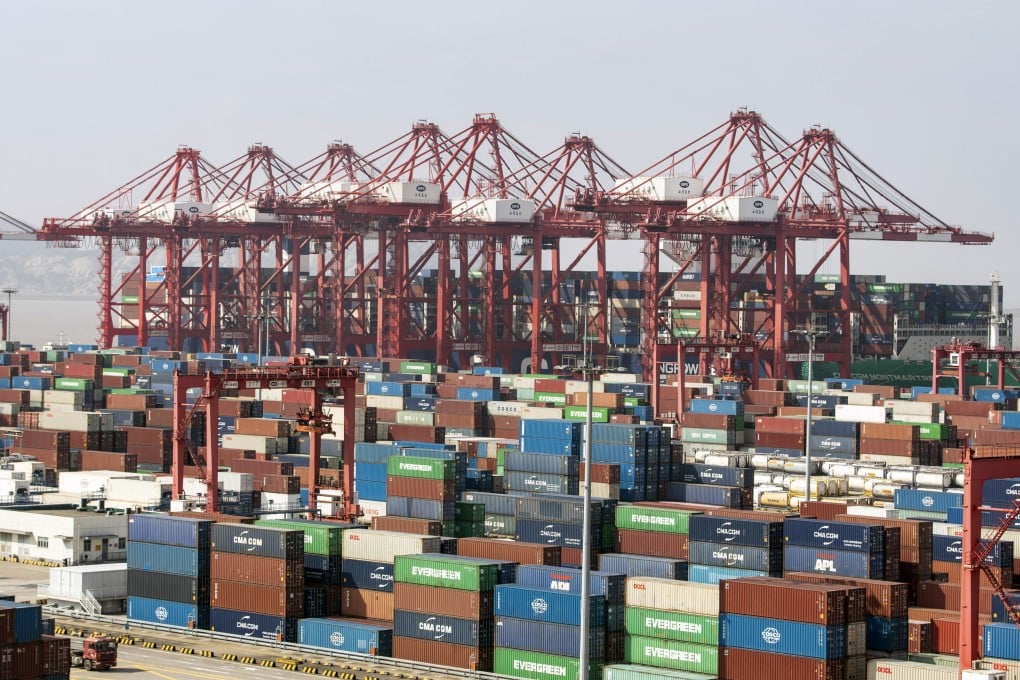
7. What Transit Times Should You Expect for Lighting Shipments to Europe?
Lighting products are often shipped from Shenzhen, Ningbo, Xiamen, or Shanghai. Transit time varies by destination port.
Table: Transit Time China → Europe
| Port of Loading | Europe Port | Transit Time | Notes |
|---|---|---|---|
| Shanghai | Rotterdam | 30–34 days | Fastest route |
| Ningbo | Hamburg | 32–38 days | Stable service |
| Shenzhen | Antwerp | 33–40 days | Popular for lighting exports |
| Xiamen | Marseille | 35–42 days | Longer route |
8. Why Is Carrier Approval Crucial for Flat Rack Detention Prevention?
Carriers require approval for Flat Rack containers to avoid safety risks. Moreover, approval delays can lead to detention before the container even reaches the port.
Carrier Requirements Include
- Accurate cargo measurements
- Weight distribution proof
- Lashing diagrams
- Pre-loading photos
- Cargo center-of-gravity statement
9. Should You Use a Freight Forwarder Specializing in Flat Rack Lighting Shipments?
Yes. Specialized forwarders know how to minimize detention risk and negotiate extended free time.
Forwarder Advantages
- Faster approval for Flat Rack equipment
- Better free-time negotiation
- Professional loading supervision
- Tracking and documentation support
- Preventing customs delays
10. How to Coordinate Multiple Suppliers to Prevent Detention?
Lighting shipments often involve multiple suppliers sending different parts such as poles, panels, drivers, frames, or fixtures.
Supplier Coordination Checklist
- Predefine delivery deadlines
- Inspect materials upon arrival
- Avoid last-minute dimension changes
- Consolidate cargo in one warehouse
- Load in optimal sequence
📦Get a Free Quote
If you require expert support with Flat Rack FCL detention prevention for lighting from China to Europe, our logistics team specializes in oversized lighting shipments, advanced lashing solutions, and fast carrier approval. Contact us today for a customized, cost-saving logistics plan designed to eliminate detention risk entirely.
❓ Frequently Asked Questions
1. How can I avoid detention fees when shipping lighting on Flat Racks?
Prepare documents early, book equipment in advance, and schedule supplier deliveries to avoid delays and unnecessary container idle time.
2. Do lighting products require special packaging for Flat Rack shipments?
Yes, oversized lighting must be crated, reinforced, and securely strapped to withstand exposure and crane lifting during long ocean transit.
3. How early should I book Flat Rack equipment for Europe?
Book two to four weeks ahead since Flat Rack availability is limited and carriers require approval for lighting cargo dimensions.
4. Does customs inspection cause detention for Flat Rack containers?
Yes, incomplete documentation triggers inspections. Always provide CE certificates, HS codes, invoices, and detailed cargo measurements before shipping.
5. Can I consolidate lighting products from multiple suppliers before Flat Rack loading?
Yes, consolidation warehouses ensure organized loading, proper sequencing, and timely cargo readiness to prevent detention fees.
Conclusion
The Flat Rack FCL detention prevention for lighting from China to Europe process requires proactive planning, strong supplier coordination, accurate documentation, and specialized loading preparation. Although lighting equipment is oversized and fragile, proper packaging, early booking, and engagement with experienced forwarders ensure successful Flat Rack operations without unexpected detention fees. With the right strategy, shippers can reduce logistics risks, protect margins, and deliver lighting projects across Europe reliably and efficiently.