

Shipping large industrial machinery—such as construction equipment, manufacturing modules, drilling systems, hydraulic units, and oversized metal structures—often requires Flat Rack containers due to their open sides, removable end walls, and heavy-duty load capacity. Because these containers demand special handling and face strict return requirements at U.S. ports, mastering Flat Rack FCL detention prevention for machinery from China to Savannah is essential for avoiding unnecessary penalties, protecting schedules, and improving supply chain efficiency. Moreover, machinery shipments often involve cranes, permits, escorts, and longer unloading times, which further increase detention risks if not handled proactively.
This article explains how to prevent detention fees, manage Flat Rack shipments smoothly, and optimize logistics when moving heavy machinery to Savannah Port—one of the busiest machinery import hubs in the United States.
1. Why Do Flat Rack Machinery Shipments Face Higher Detention Risks?

Heavy machinery shipments are complicated due to size, weight, and handling requirements. Therefore, Flat Rack containers are more prone to detention for several reasons:
- Unloading machinery requires cranes and skilled labor
- Savannah Port has strict return windows
- Heavy units require extended preparation time
- DOT permits may delay inland trucking
- Customs inspections for machinery often take longer
- Open cargo increases security checks
Because detention fees accumulate daily, importers must plan each stage carefully.
2. What Machinery Types Commonly Require Flat Rack FCL Shipping?
Flat Rack containers support extra-heavy and oversized machinery that cannot fit inside standard containers.
Machinery Suitable for Flat Rack FCL
- CNC machines
- Industrial presses
- Steel fabrication modules
- Excavators and dozers
- Agricultural machinery
- Hydraulic systems
- Drilling equipment
- Printing machines
- Power generation units
These items require precise securing, increasing the importance of efficient container turnaround times.
3. What Are the Main Causes of Detention at Savannah Port?
Savannah Port handles high volumes of heavy equipment, leading to operational bottlenecks.
Frequent Detention Triggers
- Equipment shortages for offloading
- Long crane scheduling times
- Late delivery appointments
- Delayed customs inspections
- Inland trucking delays
- Terminal congestion
- Weekend or holiday arrivals without prior planning
Because machinery cannot be unloaded quickly, detention risks must be anticipated early.
4. What Are the Recommended Routes for Machinery from China to Savannah?
Stable routes improve scheduling accuracy and reduce unexpected handling delays.
China → Savannah Route Comparison Table
| Route | China Port | U.S. Port | Characteristics | Detention Risk |
|---|---|---|---|---|
| Trans-Pacific → East Coast via Panama | Shanghai, Ningbo | Savannah | Fast and stable | Low |
| South China → Panama → Savannah | Shenzhen / Yantian | Savannah | Good capacity | Low–Medium |
| China → Singapore → Suez → U.S. East Coast | Any port | Savannah | Longer but predictable | Medium |
| China → West Coast + Rail | China Ports | Savannah (via rail) | High cost | High |
Trans-Pacific routes via Panama are usually the most efficient for machinery.
5. What Is the Transit Time for Flat Rack Machinery Shipments to Savannah?
Transit times help determine the ideal pickup schedule.
Transit Time Table (China → Savannah)
| China Port | Transit Time |
|---|---|
| Shanghai | 28–36 days |
| Ningbo | 29–37 days |
| Shenzhen/Yantian | 31–39 days |
| Qingdao | 32–40 days |
Because Flat Rack containers may require special deck positions, handling time may vary slightly.
6. What Documentation Is Required to Prevent Clearance Delays in the U.S.?
Correct documentation is essential to avoid customs holds—which often trigger detention.
Customs Documents Checklist
| Document | Purpose |
|---|---|
| Commercial Invoice | Machinery details and declared value |
| Packing List | Includes weights and oversized dimensions |
| Bill of Lading | Required for release and tracking |
| HS Codes | Determines duties and compliance |
| Importer Security Filing (ISF) | Mandatory 24 hours before loading |
| Arrival Notice | Carrier notification for pickup |
| Insurance Certificate | Covers damage risks |
| EPA/DOT Certificates (if applicable) | Required for engines |
Incorrect HS codes for machinery are among the top reasons for customs delays.
7. How Can Importers Accurately Prevent Flat Rack FCL Detention?
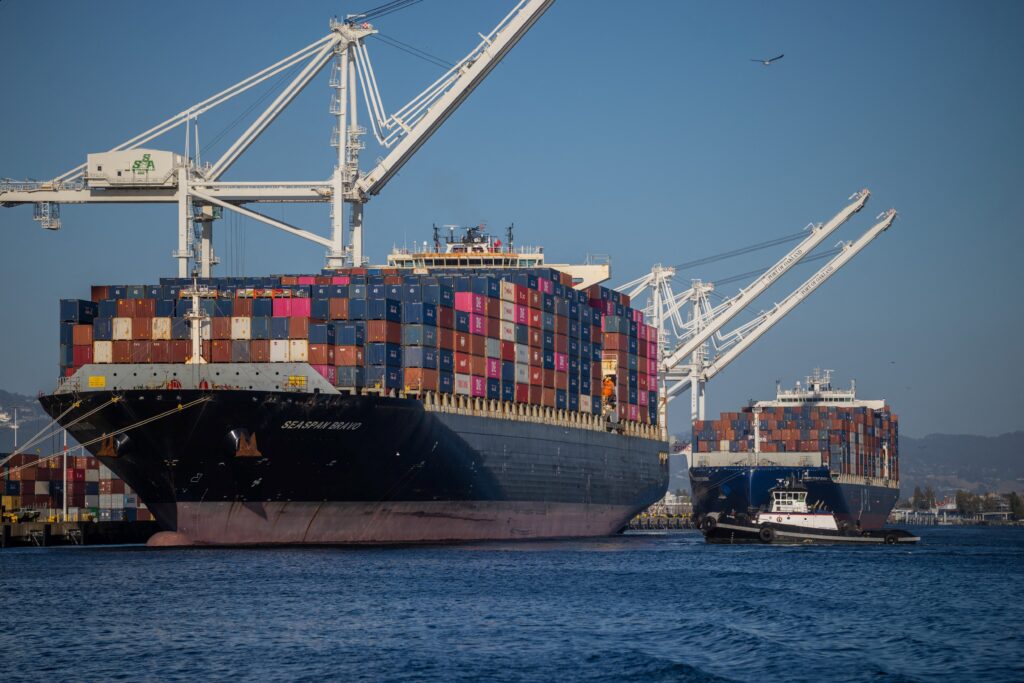
High-value machinery requires proactive scheduling and strong coordination.
Detention Prevention Strategies for Machinery
- Schedule crane and forklift teams before arrival
- Pre-clear customs whenever possible
- Reserve trucking slots early
- Confirm container return depot working hours
- Prepare unloading equipment (slings, chains, ramps)
- Arrange escort vehicles for heavy machinery
- Track vessel ETA daily
- Use a forwarder experienced in out-of-gauge cargo
Additionally, importers should avoid night arrivals, which limit unloading options.
8. How Do Loading and Securing Practices Affect Detention?
Heavy machinery requires special lashing to ensure safe handling and fast unloading.
Machinery Securing Requirements for Flat Rack
- Heavy-duty steel chains
- Wooden blocks for load distribution
- Anti-slip mats
- Tarpaulin covering for weather protection
- Corner protection for painted surfaces
- Verified weight distribution
Proper preparation speeds up unloading by reducing additional safety steps at the warehouse.
9. What Additional Costs Should Machinery Importers Expect?
Flat Rack shipments typically involve more charges than normal FCL.
Machinery Shipping Cost Structure
| Cost Type | Description | Estimated Range |
|---|---|---|
| Flat Rack Equipment Fee | Heavy-duty open container | $400–$1,000 |
| Lashing & Securing | Chains, wood blocks, straps | $200–$800 |
| Crane Loading | Required for heavy machines | $300–$900 |
| Crane Unloading | At destination warehouse | $300–$1,000 |
| Detention Fee | Late container return | $150–$220/day |
| Demurrage Fee | Terminal storage | $180–$260/day |
| Customs Inspection | Machinery often inspected | $90–$200 |
Preventing detention is far cheaper than paying daily penalties.
Are you ready to book?
Access live instant freight quotes
10. What Are the Pros and Cons of Using Flat Rack FCL for Machinery?
Choosing Flat Rack containers has trade-offs that affect handling and costs.
Pros and Cons Table
| Pros | Cons |
|---|---|
| Handles oversized machines | Higher freight cost |
| Easy crane loading | Higher detention exposure |
| Strong structural support | Longer handling time |
| Ideal for industrial cargo | Requires expert securing |
| Flexible for wide and tall items | Limited availability |
Despite the cons, Flat Rack FCL remains the safest choice for heavy machinery.
Conclusion
Understanding Flat Rack FCL detention prevention for machinery from China to Savannah is essential for avoiding expensive penalties, maintaining efficient delivery schedules, and protecting heavy equipment during transit. Because machinery shipments involve oversized dimensions, special cranes, longer unloading times, and strict customs requirements, importers must plan every step carefully to ensure fast container turnaround. With proper documentation, proactive tracking, early equipment booking, and experienced logistics partners, machinery importers can maintain predictable supply chains and avoid unnecessary detention fees.
If you need another version for a different port, commodity, or container type, just tell me—I can generate it immediately!
FAQ
1. Why do machinery shipments face higher detention risks?
Machinery requires cranes, permits, and additional inspection, which prolong unloading time. Therefore, containers often stay beyond free time unless well-coordinated.
2. How early should I book Flat Rack equipment?
Book at least 2–3 weeks in advance, especially during peak manufacturing seasons, to ensure timely equipment allocation and avoid last-minute shortages.
3. Does tracking help reduce detention fees at Savannah?
Yes. Real-time tracking enables importers to pre-arrange cranes, trucks, and warehouse staff to ensure fast unloading and container return.
4. What documents are essential for machinery clearance in the U.S.?
Commercial Invoices, Packing Lists, HS codes, ISF filings, and EPA/DOT certificates (when required) are essential to avoid clearance delays.
5. Can heavy machinery be unloaded quickly enough to avoid detention?
Yes, provided cranes, forklifts, and trained staff are scheduled in advance and customs documents are ready before vessel arrival.