

- By ayla tj
- December 1, 2025
- Logistics, Transport, Uncategorized
Shipping hardware tools internationally requires precise planning, especially when dealing with oversized or irregularly shaped cargo. Therefore, understanding the Flat Rack FCL freight rate for hardware tools from China to Germany is essential for importers handling heavy machinery, industrial equipment, long steel tools, pipe bundles, or palletized hardware. Moreover, with rising freight volatility, fuel adjustments, and European port congestion, importers must evaluate cost components carefully to avoid unexpected expenses.
What Is a Flat Rack FCL and Why Is It Used for Hardware Tools?
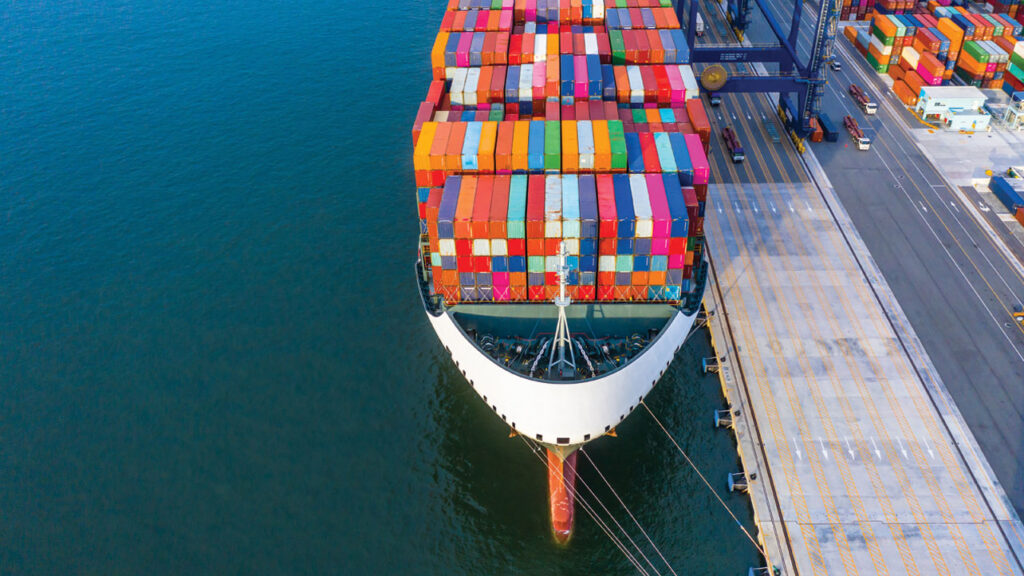
Flat Rack containers are specialized units designed for oversized or overweight cargo that cannot fit into standard 20GP or 40HQ containers. Because hardware tools often include long bars, industrial drills, metal pipes, heavy toolkits, and construction frames, Flat Racks offer flexibility that traditional containers cannot.
Key Features of Flat Rack Containers
Open-Side and Open-Top Structure
Allows loading via crane or forklift, especially useful for long or bulky hardware tools.
High Payload Capacity
Supports extreme weights including metal pallets, tool cabinets, and machinery parts.
Lashing and Securing Points
Ideal for stabilizing hardware tools during ocean transit.
Because hardware tools come in various shapes and weights, Flat Racks are frequently required for transporting them safely and efficiently.
Why Do Flat Rack FCL Freight Rates Vary from China to Germany?
Flat Rack FCL pricing differs from standard container freight due to additional handling, lashing materials, equipment constraints, and terminal labor costs. Additionally, rates vary based on seasonality, fuel levels, carrier availability, and EU port congestion.
Major Cost Drivers for Flat Rack Freight
Oversized or Out-of-Gauge Dimensions
Larger hardware tools require more deck space, increasing freight rates.
Special Handling Charges
Cranes, forklifts, and manpower add to total cost.
European Port Surcharges
Germany ports (Hamburg, Bremerhaven) apply OOG-related terminal fees.
Carrier Space Constraints
Flat Racks are limited per vessel, making early booking essential.
Because cost variables change rapidly, importers must monitor rate trends and book early for stable pricing.
What Is the Average Flat Rack FCL Freight Rate for Hardware Tools?
Freight prices fluctuate weekly, but typical ranges can guide import budget planning.
Estimated Flat Rack FCL Rates for China → Germany
Table 1 — Approximate Flat Rack Freight Rates (USD)
| Cargo Type | Estimated Cost | Notes |
|---|---|---|
| Standard palletized hardware | $4,000–$6,000 | Seasonal variations apply |
| Long steel tools | $6,500–$8,000 | May require additional lashing |
| Heavy industrial hardware | $7,000–$10,000 | Weight surcharges may apply |
| Machinery parts | $8,000–$12,000 | Higher crane and securing fees |
Rates vary depending on origin port, carrier selection, and German port of discharge.
What are you waiting for?
Contact chinatopfreight for a fast, free quote.
Are you ready to book?
Access live instant freight quotes
Which Chinese Ports Offer the Best Rates for Hardware Tools?
Not all ports offer equal availability of Flat Rack equipment. Because hardware tools often require specialized loading, certain ports are more suitable.
Best Origin Ports in China
Shanghai
Highest equipment availability; stable pricing.
Qingdao
Ideal for northern heavy hardware manufacturers.
Shenzhen (Yantian)
Strong for machinery and construction tools.
Tianjin
Good option for steel and industrial hardware.
Moreover, these ports offer experienced terminal teams capable of handling Flat Rack cargo.
How Long Does Flat Rack Shipping Take from China to Germany?
Transit time depends on routing, carrier, and seasonal weather. Electronics involve faster schedules, but hardware tools require additional port handling.
Transit Time Reference
Table 2 — Estimated Transit Times (China → Germany)
| Origin Port | Destination Port | Transit Time |
|---|---|---|
| Shanghai | Hamburg | 30–36 days |
| Qingdao | Bremerhaven | 32–38 days |
| Shenzhen | Hamburg | 28–33 days |
| Tianjin | Hamburg | 33–40 days |
Because Flat Rack loading often requires additional port preparation, importers must consider both sailing time and handling time.
How Do Carriers Calculate Flat Rack Freight Rates?
Carriers use multiple cost components and risk assessments to determine pricing.
Flat Rack Rate Calculation Factors
Cargo Dimensions (L, W, H)
Oversized dimensions increase deck space usage.
Lashing Requirements
Extra belts, chains, and wood blocks increase cost.
Weight and Load Distribution
Heavier hardware requires reinforced frames.
Vessel Capacity Constraints
Limited Flat Rack positions per vessel cause rate increases.
Because hardware tools can be heavy and awkwardly shaped, precise measurement is essential before requesting rates.
What Additional Charges Should Hardware Importers Expect?
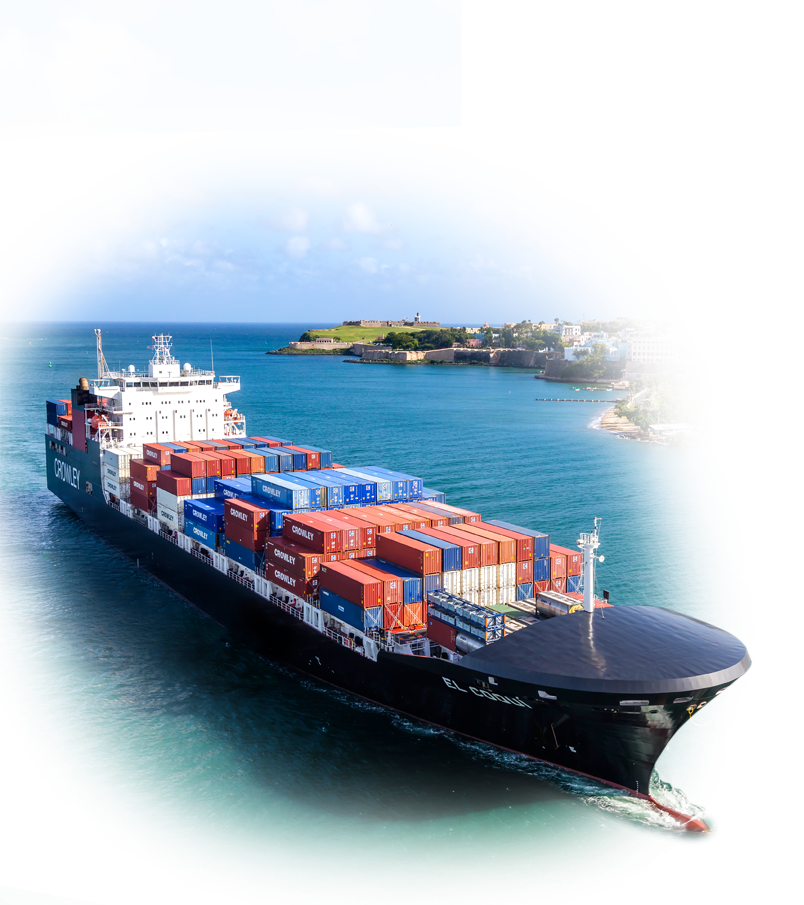
Flat Rack shipping includes several extra surcharges beyond base freight.
Flat Rack Additional Fees
Table 3 — Common Extra Charges
| Charge Type | Estimated Cost | Notes |
|---|---|---|
| Lashing fee | $150–$450 | Depends on cargo type |
| Oversized cargo surcharge | $200–$900 | Based on OOG category |
| Crane handling | $100–$300 | Required for machinery |
| Terminal handling (EU) | €120–€300 | German port fee |
| Security surcharge | $20–$40 | Carrier applied |
| PSS/Bunker charges | $150–$350 | Seasonal fuel variations |
Understanding these fees helps prevent unexpected invoice increases.
What Documents Are Required for Hardware Tools Imports to Germany?
Hardware tools must meet strict EU safety and compliance requirements. Missing documents cause delays and additional storage costs.
Documentation Checklist
Table 4 — Customs Documentation
| Document | Required | Notes |
|---|---|---|
| Commercial Invoice | ✓ | Must include HS codes & material type |
| Packing List | ✓ | Include weight distribution |
| Bill of Lading | ✓ | Indicate Flat Rack details |
| CE Declaration | Depends | Required for certain tools |
| Manual or Instruction Sheet | Optional | Helps with compliance |
| Customs Power of Attorney | ✓ | Needed for German broker |
Because tools often include steel, metal parts, or electrical components, product classification is critical.
How Do Hardware Tools Impact Customs Clearance in Germany?
German customs evaluates value, material type, product application, and compliance with EU safety standards.
Clearance Factors
HS Code Accuracy
Mistakes lead to duty corrections or inspections.
Anti-Dumping Risks
Certain steel-related hardware may face AD duties.
Dual-Use Tools
Some items require additional export/import checks.
CE Requirements
Power tools, electrical machinery, and accessories may require CE testing.
Because customs compliance is strict in Germany, accurate documentation is critical.
How Can Importers Reduce Flat Rack Freight Rates?
Despite fluctuating market conditions, importers can use several strategies to lower freight cost.
Cost Optimization Strategies
Book Early for Peak Season
Oversized cargo space sells out quickly.
Consolidate Tools into Fewer Flat Racks
Efficient loading reduces container count.
Avoid Multiple Origin Ports
Using a single port reduces drayage cost.
Use Experienced Flat Rack Specialists
Incorrect lashing or measurements cause delays and extra charges.
Therefore, planning aggressively is essential.
Conclusion
Managing the Flat Rack FCL freight rate for hardware tools from China to Germany requires understanding cost components, equipment limitations, customs compliance, and proper cargo preparation. Moreover, hardware tools often require specialized handling, making it essential to work with experienced Flat Rack operators familiar with oversized cargo procedures. Therefore, importers who proactively plan their shipments, prepare accurate documents, and coordinate early with reliable logistics providers can reduce freight costs, avoid delays, and maintain consistent supply-chain performance.
FAQ
1. Why are Flat Rack rates higher than standard container rates?
Flat Rack rates include special handling, lashing, oversized surcharges, and limited equipment availability, making them more expensive than regular 20GP or 40HQ containers.
2. Do Flat Rack shipments require special documentation?
Certain hardware tools may require CE certification, HS code verification, and detailed packing lists to meet EU compliance and prevent German customs delays.
3. How early should I book Flat Rack space from China?
Because Flat Rack equipment is limited, importers should book at least two to three weeks in advance, especially during peak construction and industrial demand seasons.
4. Which German ports are best for receiving Flat Rack hardware cargo?
Hamburg and Bremerhaven offer the most experience handling Flat Rack equipment, with efficient crane operations and strong inland distribution networks.
5. How are oversized tools secured on Flat Racks?
Cargo is secured using lashing belts, chains, wooden blocks, and framing materials to ensure stability throughout ocean transit and terminal handling operations.