

Shipping oversized or fragile renewable-energy cargo requires precision, planning, and full cost visibility. Many importers handling solar modules, inverters, and mounting systems struggle to manage the Flat Rack FCL freight rate for solar panels from China to New York, especially when dealing with port congestion, compliance rules, and fluctuating freight markets. This guide provides a complete framework for better budgeting, smoother transit, and optimized cargo protection.
1. What Is the Flat Rack FCL Freight Rate for Solar Panels from China to New York?
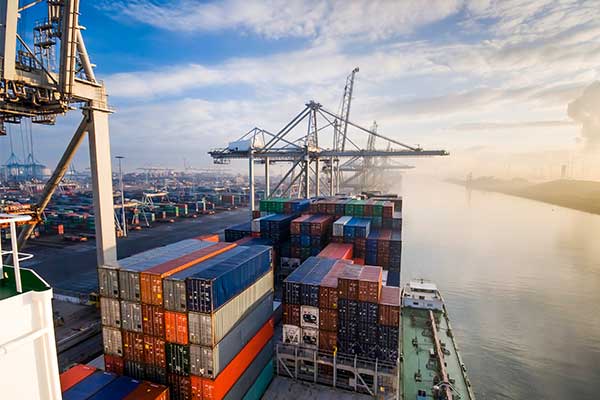
The Flat Rack FCL freight rate for solar panels from China to New York refers to the shipping cost of transporting oversized photovoltaic equipment using a flat-rack container. Because solar panels often exceed standard container height or require special loading angles, flat racks provide essential flexibility.
Key Components of the Rate
- Base ocean freight
- Equipment surcharge for flat rack units
- Terminal handling charges
- Lashing and securing fees
- Seasonal or peak surcharges
- Inland trucking cost
Moreover, prices vary weekly depending on equipment availability and overall shipping demand.
2. Why Use Flat Rack Containers for Solar Panels?
Solar panels, especially full palletized shipments, frequently exceed the width or height limitations of standard FCL. Therefore, flat racks remain the most practical solution.
Benefits of Flat Rack FCL
- Suitable for oversized solar panel pallets
- Easy loading by crane or forklift
- Flexibility for modules, inverters, and racking frames
- Superior airflow reduces condensation risk
- Ideal for irregularly shaped renewable-energy equipment
Additionally, flat racks allow for maximum stability when combined with professional lashing standards.
3. How Much Does It Cost to Ship Solar Panels in a Flat Rack FCL to New York?
Freight rates differ by China origin port, carrier, season, and panel configuration. Below is a general cost reference.
Table: Estimated Flat Rack FCL Freight Rate Breakdown
| Cost Component | Est. Price (USD) | Notes |
|---|---|---|
| Base Ocean Freight | $3,500–$5,200 | Depends on port & carrier |
| Flat Rack Equipment Fee | $650–$1,100 | Higher during peak seasons |
| Origin THC | $180–$260 | Charged by terminals |
| Destination THC | $250–$380 | New York terminal charges |
| Lashing & Securing Fee | $200–$350 | Required for fragile panels |
| Documentation Fee | $50–$120 | BL, AMS, ISF |
Because solar parts are fragile, stronger lashing standards may slightly increase labor fees.
What are you waiting for?
Contact chinatopfreight for a fast, free quote.
Are you ready to book?
Access live instant freight quotes
4. What Are the Transit Times from China to New York for Solar Panel Shipments?
Different Chinese loading ports offer different transit windows, influencing delivery planning and cost control.
Table: Transit Time by Chinese Port
| Origin Port | Avg Transit Time | Notes |
|---|---|---|
| Shanghai | 32–36 days | Stable weekly sailings |
| Ningbo | 33–37 days | Cost-efficient schedules |
| Qingdao | 34–39 days | Ideal for industrial solar goods |
| Shenzhen | 30–34 days | Fastest southern route |
| Tianjin | 38–42 days | Longer inland repositioning |
Because weather and peak-season congestion can affect East Coast schedules, importers should monitor ETAs closely.
5. What Documents Are Required to Clear Solar Panels in New York?
Solar products involve electronics, metal frames, and sometimes lithium components, which require specific documents.
Table: Solar Panel Import Documentation Checklist
| Document | Mandatory | Notes |
|---|---|---|
| Commercial Invoice | Yes | Must specify wattage & model |
| Packing List | Yes | Include pallet details & dimensions |
| Bill of Lading | Yes | Must align with shipment details |
| HS Codes | Yes | Panels & inverters require correct codes |
| Certificate of Origin | Sometimes | For trade preference programs |
| EPA/FCC Compliance | Sometimes | Required for inverters/electronic parts |
| UL Certification | Conditional | Needed for certain U.S. standards |
| ISF Filing | Yes | Must be filed 24 hours before loading |
Errors in HS codes or missing compliance certificates often trigger inspections.
6. What Factors Influence the Flat Rack FCL Freight Rate for Solar Panels?
Several variables create price fluctuations throughout the year.
Rate-Influencing Factors
- Availability of flat rack equipment
- Port congestion in China or New York
- Seasonal shipping peaks for renewable energy
- Fuel surcharge volatility
- Lashing and packaging requirements
- Climate-related risks
- Oversized cargo dimensions
Additionally, the global solar supply chain often experiences demand spikes linked to government incentives.
7. How Should You Package Solar Panels for Flat Rack FCL Shipping?

Packaging is vital because solar panels are extremely fragile. Proper packaging also reduces insurance claims and improves transit stability.
Recommended Packaging Methods
- Heavy-duty pallets designed for renewable-energy cargo
- Edge protectors to prevent frame compression
- Shrink-wrap with UV-resistant protection
- Foam layering between panels
- Water-resistant covering for long voyages
- Strong lashing points for crane loading
Furthermore, properly labeled pallets help expedite terminal cargo handling.
8. How Do Flat Rack FCL Shipments Compare to Other Shipping Methods?
Solar panels may also be transported using standard FCL, open tops, LCL, or even air freight for urgent deliveries.
Table: Shipping Method Comparison
| Method | Cost | Transit Time | Best For | Pros | Cons |
|---|---|---|---|---|---|
| Flat Rack FCL | $$ | 30–40 days | Oversized solar modules | Great flexibility | Exposed to weather |
| Standard FCL | $ | 30–40 days | Smaller solar pallets | Protected & cost-effective | Size limits |
| Open Top FCL | $$ | 30–40 days | Tall modules | Easy top-loading | More expensive |
| Air Freight | $$$$ | 5–8 days | Urgent inverters & samples | Fastest delivery | High cost |
| LCL Shipping | $ | 40–55 days | Small volumes | Good for small orders | Higher damage risk |
Because solar panels are fragile and often oversized, flat rack remains the safest option.
9. How Can You Reduce the Flat Rack FCL Freight Rate for Solar Panels?
Strategic planning significantly lowers logistics expenses.
Cost-Saving Strategies
- Ship during off-peak months (Feb–Apr or Aug–Oct)
- Consolidate multiple solar SKUs into fewer pallets
- Use optimized crate dimensions
- Book flat rack equipment 10–14 days early
- Compare multiple carrier options
- Select nearby China ports to reduce inland trucking
- Request extended free time to avoid New York demurrage
Moreover, accurate measurement prevents unexpected “oversize surcharges.”
10. What Are the Common Risks When Shipping Solar Panels to New York?
Flat rack shipments are exposed, sensitive, and require strong protection.
Key Risk Factors
- Moisture, rain, or saltwater exposure
- Frame bending during crane operations
- Tarpaulin tearing during storms
- Poor lashing leading to vibration damage
- US customs holds for electronic components
- Port congestion at New York/New Jersey terminals
Additionally, unbalanced loading can tilt the flat rack, creating extra fees and delays.
Conclusion
Shipping renewable-energy cargo efficiently requires careful planning, cost visibility, and strong packaging standards. By understanding the Flat Rack FCL freight rate for solar panels from China to New York, importers can better anticipate expenses, prevent port delays, and protect high-value photovoltaic equipment. Moreover, selecting the right container type, preparing documents early, and monitoring transit conditions enable smoother operations and stronger supply chain performance. When executed properly, flat rack shipping offers unmatched flexibility and reliability for solar energy logistics.
FAQ
1. How early should I book flat rack equipment in China?
Book at least 10–14 days early because flat rack units are limited. Early planning helps avoid equipment shortages and reduces unexpected freight surcharges.
2. Are solar panels fragile during flat rack transportation?
Yes, solar panels are highly fragile. Proper cushioning, reinforced pallets, and professional lashing significantly reduce vibration, bending, and moisture-related damage risks.
3. Do solar inverters require special customs documentation?
Solar inverters sometimes require FCC or EPA documentation. Providing complete certificates before arrival helps prevent inspections and reduces port delays.
4. Can weather impact flat rack solar shipments?
Weather exposure is a key risk. Using waterproof tarpaulins, moisture barriers, and proper wrapping minimizes damage from rain, humidity, and ocean wind.
5. Is insurance necessary for flat rack solar panel shipments?
Insurance is highly recommended because solar modules are expensive and fragile. Marine cargo policies protect against transport damage, handling risks, and severe weather.