

Shipping large or heavy machinery requires careful planning, especially when container space is limited. The Flat Rack FCL space availability for machinery from China to Seattle is one of the most crucial factors exporters face today. With fluctuating freight demand and seasonal shortages, understanding how to secure container slots, manage loading safely, and coordinate customs procedures can make the difference between on-time delivery and costly delays.
1. What Is Flat Rack FCL Shipping and Why It’s Vital for Machinery Transport?
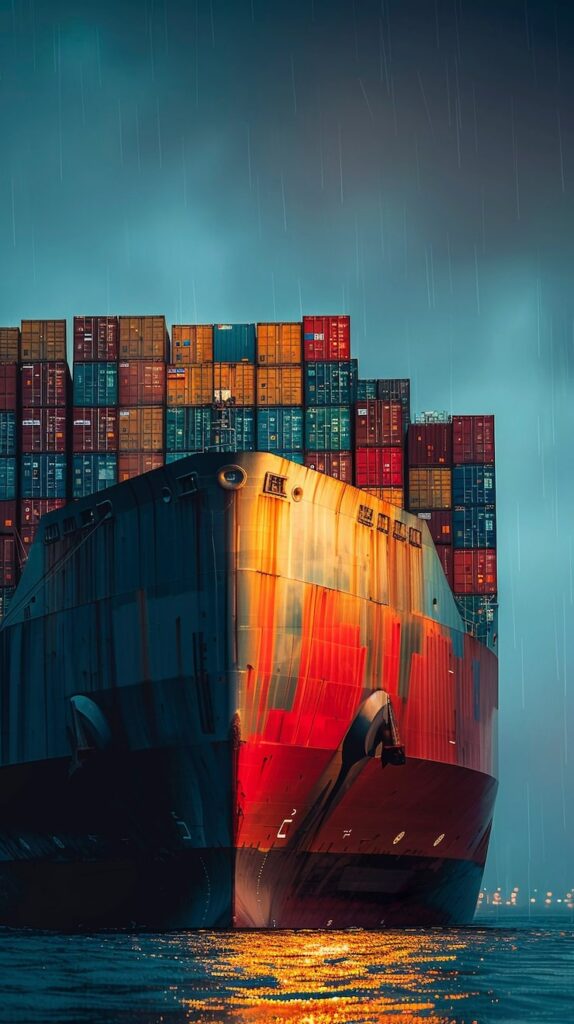
A Flat Rack FCL (Full Container Load) is a specialized container with collapsible sides designed for oversized cargo such as industrial machinery, vehicles, and construction equipment.
Key Features of Flat Rack Containers:
- Open sides and ends for oversized loads.
- Maximum payload: up to 45,000 kg.
- Lengths: 20-foot and 40-foot options.
- Used for: cranes, turbines, presses, engines, and drilling rigs.
Flat Rack FCL shipping ensures machinery that cannot fit into a standard container is safely loaded, lashed, and transported across ocean routes.
2. Why Is Space Availability a Major Challenge for Flat Rack Containers?
The demand for Flat Rack container space has surged due to:
- Increased heavy equipment exports from China.
- Limited Flat Rack inventory compared to standard containers.
- Port congestion and delayed vessel rotations.
- Seasonal fluctuations, particularly during Q3 and Q4.
Unlike regular FCL, Flat Rack units are fewer in number, making space booking critical weeks in advance to avoid schedule disruptions.
3. How to Check and Secure Flat Rack FCL Space Availability Early?
Exporters can secure Flat Rack space efficiently through:
- Pre-booking 3–4 weeks ahead of cargo readiness.
- Working with a freight forwarder who has direct carrier contracts.
- Choosing flexible port options like Shanghai, Ningbo, or Qingdao.
- Monitoring carrier schedules for routes to Seattle.
- Requesting multiple rate quotes to balance cost and transit time.
Many shipping lines provide online booking platforms, but coordination with a professional forwarder remains the best way to ensure container space.
What are you waiting for?
Contact chinatopfreight for a fast, free quote.
Are you ready to book?
Access live instant freight quotes
4. What Are the Main Shipping Routes from China to Seattle for Machinery?
| Origin Port (China) | Destination (USA) | Transit Time (Days) | Route Type | Remarks |
|---|---|---|---|---|
| Shanghai | Seattle | 15–18 | Direct | Fastest route |
| Ningbo | Seattle | 16–20 | Direct | Stable carrier availability |
| Shenzhen | Seattle | 18–22 | Transshipment | Slightly longer via LA |
| Qingdao | Seattle | 19–23 | Direct | Popular for heavy cargo |
Table 1: Transit Times for Flat Rack FCL Routes from China to Seattle
Pro Tip: Book space on direct sailings to minimize handling risks and reduce potential damage during transshipment.
5. What Are the Key Factors Affecting Flat Rack Space Availability?
Flat Rack space availability depends on multiple factors, including:
- Global equipment shortage: Carriers allocate limited specialized containers.
- Peak season demand: From July to November, competition intensifies.
- Port strikes or congestion: Especially on the U.S. West Coast.
- Commodity type: Oversized or high-value cargo often gets priority space.
- Carrier allocation policies: Some reserve Flat Racks for long-term clients.
By understanding these factors, exporters can strategically plan their shipments to avoid last-minute booking failures.
6. What Are the Costs for Flat Rack FCL Shipping from China to Seattle?
| Cost Component | Estimated Range (USD) | Description |
|---|---|---|
| Ocean Freight | 6,000–8,500 | Based on size and season |
| Port Handling (China) | 250–400 | Loading, securing, and lashing |
| Port Handling (Seattle) | 300–500 | Unloading and inspection |
| Customs Clearance | 150–250 | U.S. import entry documentation |
| Cargo Insurance | 0.3–0.5% of cargo value | Optional but recommended |
Table 2: Estimated Shipping Cost Breakdown for Flat Rack FCL
Freight rates vary based on cargo size, carrier selection, and booking timing. Early reservations often secure better pricing and guaranteed space.
7. How to Prepare Machinery for Flat Rack FCL Shipping?
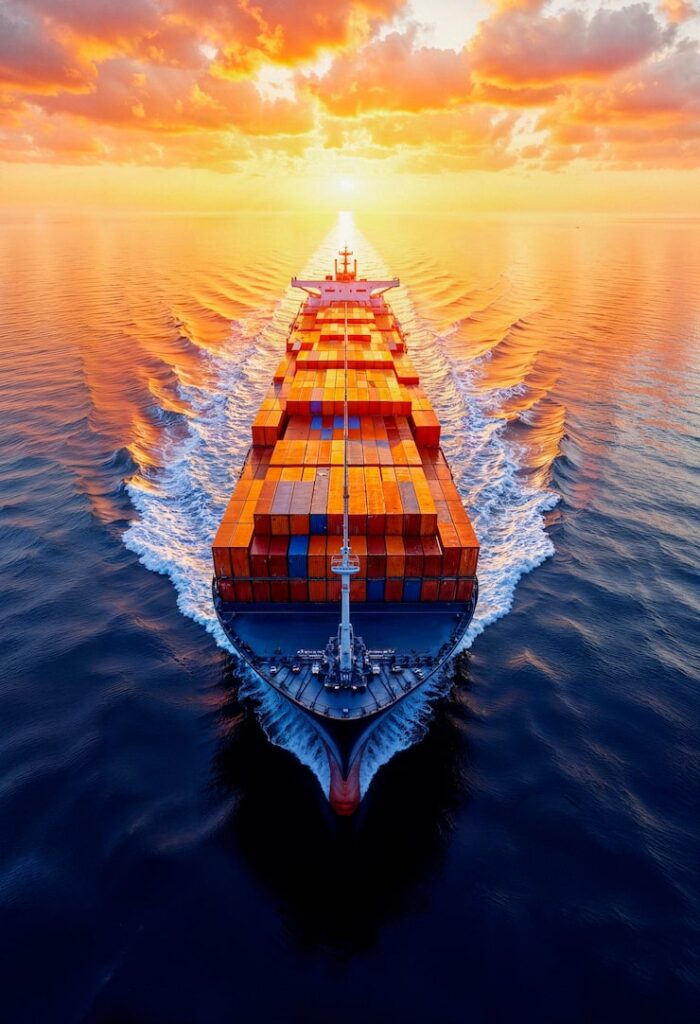
Proper preparation ensures safety and compliance during ocean transport.
Steps to Prepare Machinery:
- Disassemble non-essential parts to fit within container dimensions.
- Use steel chains and heavy-duty straps for securing cargo.
- Apply rust-proof coatings for marine protection.
- Balance cargo weight evenly to prevent tipping.
- Attach wooden blocking and bracing as per carrier standards.
Carriers follow International Maritime Organization (IMO) and CTU Code guidelines to ensure secure loading of heavy machinery.
8. What Documents Are Required for Machinery Export to Seattle?
Accurate paperwork is essential for customs clearance and logistics coordination.
| Document | Purpose | Issued By |
|---|---|---|
| Commercial Invoice | Declares cargo value and purpose | Exporter |
| Packing List | Details packaging dimensions and weights | Shipper |
| Bill of Lading | Proof of shipment and ownership | Freight Forwarder |
| Certificate of Origin | Verifies product origin | Chamber of Commerce |
| Export License | Required for restricted machinery | Chinese Authorities |
| Import Declaration | Filed with U.S. Customs (CBP) | Importer |
Table 3: Required Documentation for Flat Rack Machinery Exports
Incomplete documents are among the top reasons for customs delays, impacting space scheduling and delivery timing.
9. How to Avoid Delays and Optimize Delivery Schedules?
Delays can lead to storage charges, demurrage, or delivery penalties. To stay efficient:
- Confirm cargo readiness before booking.
- Coordinate loading dates with both shipper and carrier.
- Use GPS-enabled tracking systems for real-time updates.
- Partner with customs brokers for fast clearance at Seattle ports.
Additionally, using multi-carrier routing ensures flexibility if vessel schedules change unexpectedly.
10. How Does Flat Rack Compare with Other Container Options for Machinery?
| Container Type | Best For | Capacity (CBM) | Advantages | Limitations |
|---|---|---|---|---|
| Flat Rack FCL | Oversized machinery | N/A (depends on cargo) | Open structure, easy loading | Limited availability |
| 40GP FCL | Standard cargo | 58–60 | Affordable, widely available | Size constraints |
| 40HQ FCL | Bulk cargo | 67–70 | High volume capacity | Not for oversized loads |
| Open Top FCL | Tall machinery | 64–66 | Easy top loading | Weather-sensitive |
Table 4: Comparison of FCL Container Options
Flat Rack containers provide unmatched flexibility for heavy or oddly shaped machinery that cannot fit within regular container dimensions.
Conclusion
The Flat Rack FCL space availability for machinery from China to Seattle is a vital consideration for exporters handling oversized cargo. Early booking, proper documentation, and effective communication with carriers are the keys to success. By partnering with an experienced freight forwarder like China Top Freight, businesses gain access to reliable space allocation, expert cargo handling, and real-time logistics support—ensuring their machinery arrives in Seattle safely, efficiently, and on schedule.
FAQ
1. How far in advance should I book Flat Rack FCL space?
You should reserve Flat Rack containers at least 3–4 weeks before cargo readiness to ensure availability and better freight rates.
2. Can heavy machinery be shipped fully assembled on a Flat Rack?
Yes, if it meets container weight and size limits. Oversized items must be properly secured with certified lashing.
3. What’s the typical transit time from China to Seattle?
Transit usually takes 15–22 days, depending on port selection and carrier route. Direct routes are faster and more reliable.
4. Are Flat Rack containers weatherproof?
No. Flat Racks are open and require additional protection like shrink-wrap, tarps, or waterproof covers for outdoor exposure.
5. What are common customs issues with machinery imports?
Misclassified HS codes, missing certificates, and incomplete ISF filings often delay customs clearance.