

For oversized shipments, especially large furniture pieces, reliable visibility is essential, making Flat Rack FCL tracking for furniture from China to Germany a crucial part of modern import operations. Although Flat Rack shipping offers unmatched flexibility for bulky goods, tracking can be more complex than standard containers; however, with proper digital tools and proactive communication, importers can maintain full visibility through every stage of the supply chain.
What Is Flat Rack FCL Tracking for Furniture Shipments?
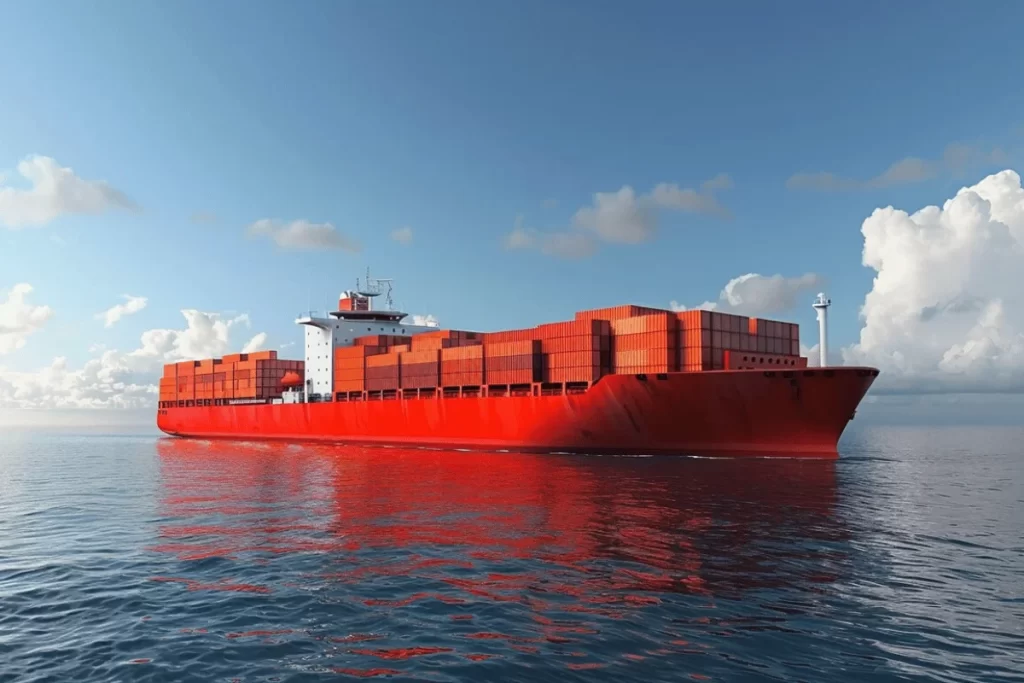
Flat Rack FCL tracking refers to monitoring a specialized container that carries oversized furniture unable to fit inside standard options. Moreover, tracking ensures transparency from loading to ocean transit and arrival in Germany.
Tracking covers three core stages
- Container loading and securing at the origin factory
- Vessel departure, routing, and real-time sailing status
- Arrival, customs processing, and inland transport updates
Each stage is vital for preventing delays, especially for fragile wooden or metal furniture.
How Does Flat Rack FCL Tracking Work from China to Germany?
Tracking works through a combination of digital systems, carrier AIS data, and freight forwarder reporting. Additionally, cargo visibility enhances consistency throughout the supply chain.
Primary tracking tools
- Carrier tracking portals
- AIS vessel tracking
- Freight forwarder dashboards
- API/EDI status updates
- Automated email notifications
These systems monitor key events like gate-in, CY cutoff, loading confirmation, and arrival scans.
Which Routes Are Most Common for Flat Rack Furniture Shipping to Germany?
Table Title: Common China → Germany Routes
| Origin Port | Destination Port | Transit Time (Days) | Notes |
|---|---|---|---|
| Shanghai | Hamburg | 30–37 days | Most frequent service |
| Ningbo | Hamburg | 31–38 days | High schedule reliability |
| Shenzhen | Bremerhaven | 32–40 days | Good for South China cargo |
| Qingdao | Hamburg | 33–41 days | Strong FR capacity |
These routes support oversized shipments and offer stable tracking visibility.
What are you waiting for?
Contact chinatopfreight for a fast, free quote.
Are you ready to book?
Access live instant freight quotes
Why Is Tracking More Important for Flat Rack Than Standard FCL?
Flat Rack shipments are exposed, secured with straps and wooden bracing, therefore tracking plays a critical safety role.
Key reasons tracking matters
- Furniture may be fragile or irregularly shaped
- Weather exposure increases risk
- Flat Racks may be stowed on deck
- Additional handling steps increase vulnerability
Therefore, importers must monitor key milestones closely.
What Information Does Flat Rack FCL Tracking Provide?
Table Title: Tracking Milestones List
| Stage | Description |
|---|---|
| Booking Received | Space reserved with carrier |
| Empty Pickup | FR released to factory |
| Gate-In Full | Furnished cargo at terminal |
| Vessel Loaded | Container on board |
| Vessel Departed | Actual sailing begins |
| Transshipment (if any) | Route transfer update |
| Arrival Port Scan | Cargo reached Germany |
| Customs Release | Cleared for inland delivery |
How Does Tracking Improve Furniture Supply Chain Performance?
Visibility ensures better planning and fewer delays. Additionally, tracking helps importers anticipate arrival windows and coordinate warehouse capacity.
Benefits for furniture importers
- Better control over delivery schedules
- Early detection of delays
- Improved communication with downstream buyers
- Lower demurrage and detention risk
- These advantages are critical for large retailers and project-based buyers.
What Challenges Affect Flat Rack FCL Tracking Accuracy?
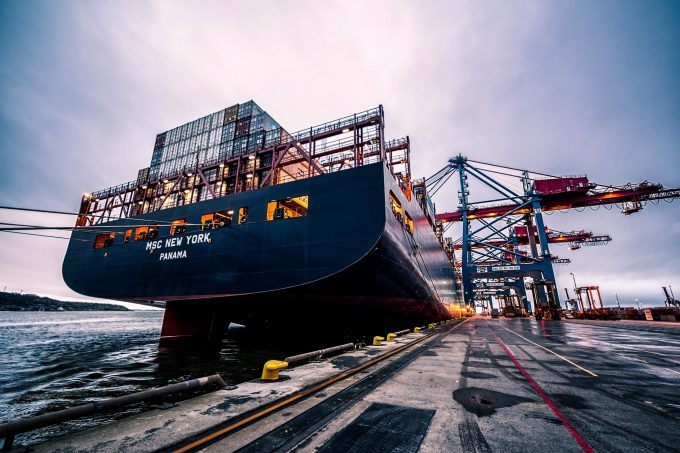
Tracking Flat Racks involves unique challenges due to the nature of oversized cargo.
Common tracking issues
- Weather-related vessel delays
- Transshipment routing changes
- Incomplete AIS signals at certain ocean regions
- Terminal congestion that slows movement scans
- Limited FR equipment availability
Nevertheless, forwarders help consolidate tracking data for clarity.
How Much Does Flat Rack FCL Shipping for Furniture Cost?
Table Title: Flat Rack FCL Furniture Pricing
| Cost Category | Price Range (USD) | Notes |
|---|---|---|
| Ocean Freight | $4,200–$7,800 | Depends on FR availability |
| Lashing & Securing | $150–$450 | Based on furniture shape |
| Terminal Handling | $250–$600 | Higher for oversized cargo |
| Insurance | 0.3–0.6% of value | Recommended |
Furniture often requires professional lashing due to its dimensions and fragility.
How Does Furniture Type Affect Tracking and Handling?
Different furniture categories come with different requirements.
Examples
- Wooden furniture: susceptible to moisture and cracking
- Metal furniture: vulnerable to corrosion
- Upholstered furniture: requires clean handling
- Modular furniture: extra steps to secure bulky parts
These features affect risk levels during transport.
How Long Does It Take to Ship Flat Rack Furniture from China to Germany?
Table Title: Transit Time by Region
| China Region | Destination Port | Duration |
|---|---|---|
| East China | Hamburg | 30–38 days |
| South China | Bremerhaven | 32–40 days |
| North China | Hamburg | 33–42 days |
Total lead time may extend due to port congestion or customs inspection.
Conclusion
The Flat Rack FCL tracking for furniture from China to Germany is essential for oversized cargo that requires precise visibility, stable routing, and safe handling. Although Flat Rack shipments involve more steps than standard FCL, importers can protect their supply chain by using real-time tracking tools, choosing reliable carriers, and ensuring accurate customs documentation. With the right logistics partner, furniture shipments remain controlled, predictable, and cost-efficient throughout the entire China–Germany trade lane.
FAQ
1. Why is Flat Rack tracking different from standard FCL tracking?
Flat Racks carry oversized furniture, so they undergo more handling steps and sometimes deck-stow, requiring closer monitoring throughout the entire voyage.
2. How often does tracking update during the China–Germany route?
Most major carriers update key milestones such as loading, departure, arrival, and customs release. Forwarders also provide more frequent manual updates when necessary.
3. Can furniture on Flat Racks be delayed by weather?
Yes. Since Flat Rack cargo is more exposed than traditional FCL, severe storms and ocean conditions sometimes impact voyage speed and handling safety.
4. Do all carriers offer Flat Rack tracking tools?
Most carriers provide tracking portals, but the level of detail varies. Forwarders usually combine AIS, carrier data, and internal status updates for better accuracy.
5. Is Flat Rack suitable for extremely fragile furniture?
It can be, but additional lashing, shrink-wrapping, and protection materials are required. Some fragile items may be better shipped in open-top or high-cube units.