

- By kelly
- November 24, 2025
- Tips or Guide, Transport
Flat Rack FCL Tracking for Medical Equipment from China to Netherlands
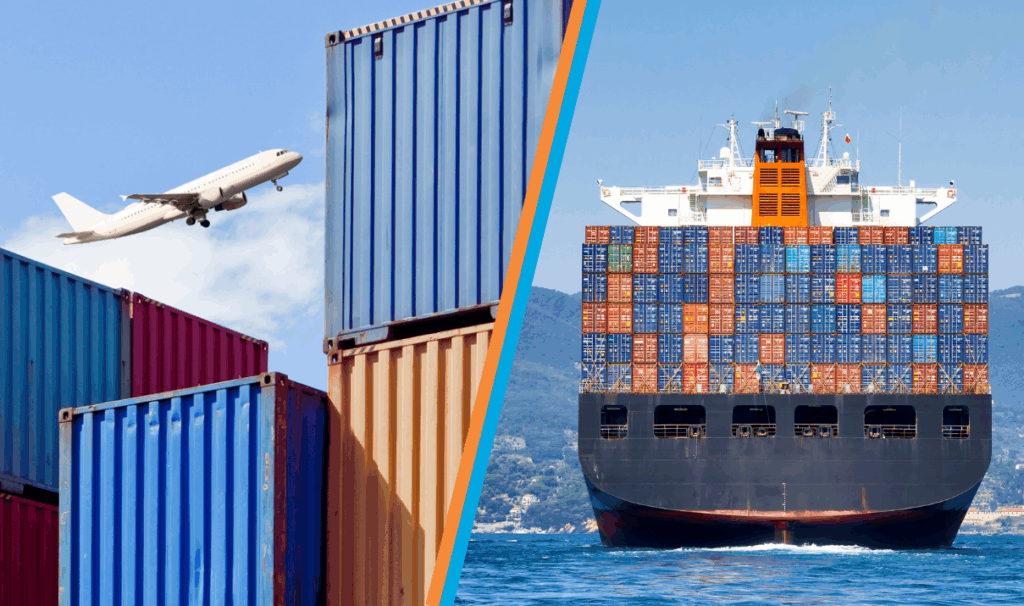
Reliable Flat Rack FCL tracking for medical equipment from China to Netherlands is crucial because medical devices are oversized, sensitive, and heavily regulated. However, many shippers face tracking gaps, unclear timelines, and compliance issues. This guide explains how Flat Rack logistics work, how to track shipments accurately, and how to avoid delays on Europe-bound routes.
1. What Makes Flat Rack FCL Tracking Important for Medical Equipment Shipments?
Medical devices such as MRI machines, surgical beds, CT scanners, or large lab equipment often exceed the dimensions of standard containers. Therefore, Flat Rack containers allow over-height and over-width shipments. However, because these containers travel on deck or in special positions, tracking accuracy is essential.
Why Tracking Matters for Medical Equipment
- Ensures predictable ETAs for hospitals and clinics
- Protects high-value machinery through real-time visibility
- Helps manage customs clearance scheduling
- Supports supply chain planning for installation teams
2. How Does a Flat Rack FCL Help Transport Large Medical Equipment?
Flat Rack containers have no roof and minimal side walls, enabling oversized medical devices to be loaded easily. Additionally, Flat Racks support heavy machinery with reinforced flooring, lashing points, and crane-loading capability.
Common Medical Equipment Shipped by Flat Rack
- MRI machines
- Laboratory automation systems
- CT scanners
- Large sterilization units
- Mobile medical trailers
- Hospital production lines
3. What Documents Are Required for Shipping Medical Equipment to the Netherlands?

Medical shipments face strict European Union compliance requirements. Therefore, documentation must be complete, accurate, and submitted early.
Table: Medical Equipment Documentation Checklist
Essential Documents for Medical Equipment (China → Netherlands)
| Document | Required? | Purpose | Notes |
|---|---|---|---|
| Commercial Invoice | Yes | Declares value & HS code | Must match packing list |
| Packing List | Yes | Shows weight & dimensions | Crucial for Flat Rack approval |
| CE/MDR Certificate | Yes | EU medical compliance | Mandatory for customs |
| Lashing Certificate | Yes | Confirms safe securing | Required for deck cargo |
| Bill of Lading | Yes | Transport contract | Issued after vessel departs |
| Calibration Certificate | Conditional | For precision equipment | Helps reduce inspection |
| Power Safety Reports | Conditional | For powered devices | Needed for CE verification |
| AWB / Additional Docs | Optional | For parts or manuals | Ships separately if needed |
4. What Tracking Tools Are Used for Flat Rack FCL Shipments?
Tracking special equipment shipments requires multiple systems because medical devices often move through terminals, transshipment hubs, and inland networks.
Key Tracking Systems
- Carrier online tracking portals
- Container positioning systems (GPS-enabled)
- EDI tracking updates (Gate in/out, loading, unloading)
- Netherlands port community systems (PCS)
- Forwarder-operated live dashboards
Long-Tail Keywords Integrated
- “China to Netherlands shipping updates”
- “medical equipment special container tracking”
- “Flat Rack machinery tracking solutions”
5. What Shipping Methods Should You Compare Before Choosing a Flat Rack FCL?
Although Flat Rack is ideal for oversized medical equipment, shippers should evaluate alternative options for cost, transit time, and risk.
Table: Shipping Method Comparison
Shipping Method Comparison for Medical Equipment
| Method | Cost | Transit Time | Best For | Pros | Cons |
|---|---|---|---|---|---|
| Flat Rack FCL | Medium-High | 30–40 days | Oversized medical devices | Flexible loading, safe lashing | Requires approvals |
| Standard FCL | Medium | 25–35 days | Regular medical equipment | Cost-efficient | Not suitable for tall cargo |
| Air Freight | Very High | 3–7 days | Urgent devices | Fastest method | Expensive |
| Breakbulk | Very High | 35–50 days | Extreme oversize | No size limits | Long customs procedures |
| Rail Freight | Medium | 18–22 days | Parts & small units | Balanced speed | Not for oversized unit |
6. How to Track Flat Rack FCL Medical Equipment from China to the Netherlands Step-by-Step
Because Flat Rack cargo is special equipment, tracking includes multiple operational events. Many shippers track only vessel movement, but you should follow each step from factory pick-up to final delivery.
Tracking Workflow
- Factory loading confirmation with photos
- Lashing inspection report from port terminal
- Gate-in event (container enters POL terminal)
- Loading confirmation (loaded on vessel)
- Vessel departure tracking update
- Transshipment updates (if Rotterdam/Antwerp hubs used)
- Vessel arrival in the Netherlands
- Customs clearance status
- Container release at terminal
- On-carriage to final destination (by truck or barge)
Semantic Keywords Integrated
- import/export visibility
- supply chain monitoring
- delivery schedule management
- customs compliance tracking

7. What Are the Transit Times for Flat Rack Medical Equipment to the Netherlands?
Transit times vary based on the port of loading, carrier routing, and transshipment hubs. However, Flat Rack containers are sometimes loaded on slower, heavier cargo vessels.
Table: Transit Time Estimates China → Netherlands
| Origin Port | Destination (Netherlands) | Transit Time | Notes |
|---|---|---|---|
| Shanghai | Rotterdam | 30–36 days | Reliable routing |
| Ningbo | Rotterdam | 32–38 days | Occasional transshipment |
| Shenzhen | Rotterdam | 33–40 days | Popular for electronics |
| Qingdao | Rotterdam | 31–37 days | Strong vessel frequency |
| Xiamen | Rotterdam | 30–35 days | Moderate demand |
8. Why Is Flat Rack Tracking More Complex Than Standard Container Tracking?
Flat Rack containers usually travel on deck due to cargo size, exposing them to weather conditions and different loading priorities. Therefore, carriers provide additional scanning and EDI updates for safety.
Reasons for Tracking Complexity
- More lashing checks
- Additional deck-cargo inspections
- Height restrictions affecting routing
- Extra approval required for transshipment ports
9. What Are the Main Risks When Shipping Medical Equipment by Flat Rack from China to the Netherlands?
Because medical devices are high-value and easily damaged, risk management is essential throughout the shipping process.
Common Risks
- Damage from wind exposure on deck
- Improper lashing causing cargo movement
- Customs inspection delays
- Wrong HS codes triggering MDR checks
- Poor packaging leading to moisture damage
Solutions for Mitigating Risks
- Waterproof shrink-wrap and crating
- Anti-rust treatment for metal parts
- Use of shock indicators
- Pre-clearing documents with Dutch customs (optional service)
10. Should You Use a Freight Forwarder Experienced in Flat Rack Medical Equipment Shipping?
Yes — specialized forwarders drastically reduce risk. Although general forwarders can handle basic shipments, medical equipment requires certified lifting, secure lashing, and detailed customs paperwork for MDR compliance.
Benefits of a Specialized Forwarder
- Strong carrier relationships for Flat Rack approval
- Accurate lashing diagrams and safety plans
- Real-time professional tracking support
- Faster customs clearance in Rotterdam or Amsterdam
- Expertise with medical device regulations
📦Get a Free Quote
If you need expert support handling Flat Rack FCL tracking for medical equipment from China to Netherlands, our logistics team provides real-time visibility, secure lashing planning, compliance documentation, and door-to-door solutions. Contact us for an accurate quote and a fully managed logistics process tailored to medical equipment shipments.
❓ Frequently Asked Questions
1. Can Flat Rack containers safely transport oversized medical equipment?
Yes, Flat Racks handle tall or wide medical devices securely when lashing, crating, and inspection standards are followed at both ports.
2. How often are Flat Rack tracking updates provided during shipping?
Typically every major milestone, including gate-in, loading, departure, transshipment, arrival, customs release, and inland trucking movements.
3. Does the Netherlands require extra medical compliance for equipment imports?
Yes, customs verify CE/MDR certificates, calibration records, product labels, and HS codes before releasing medical equipment to importers.
4. What is the best port in the Netherlands for Flat Rack medical equipment?
Rotterdam is preferred due to strong infrastructure, advanced medical logistics hubs, fast customs clearance, and efficient equipment handling.
5. How can I reduce damage risks for sensitive medical equipment?
Use waterproof wrapping, foam cushioning, anti-rust protection, shock indicators, and certified lashing crews for safer deck transport.
Conclusion
The Flat Rack FCL tracking for medical equipment from China to Netherlands process requires strong visibility, accurate documentation, and specialized handling. Although Flat Rack shipments are complex, real-time tracking, experienced forwarders, and proper packaging help ensure the safe arrival of valuable medical devices. With the right logistics plan, companies can avoid delays, optimize supply chain operations, and meet strict EU medical compliance requirements confidently.