

Importing food products freight from China requires expertise, precision, and compliance with international food safety standards. Whether you’re shipping frozen seafood, canned goods, spices, or packaged snacks, understanding logistics procedures, transit times, and customs requirements is essential. This guide covers everything you need to know about shipping food from China — including best freight methods, costs, and documentation — to ensure your goods arrive fresh and compliant.

1. Why Import Food Products from China?
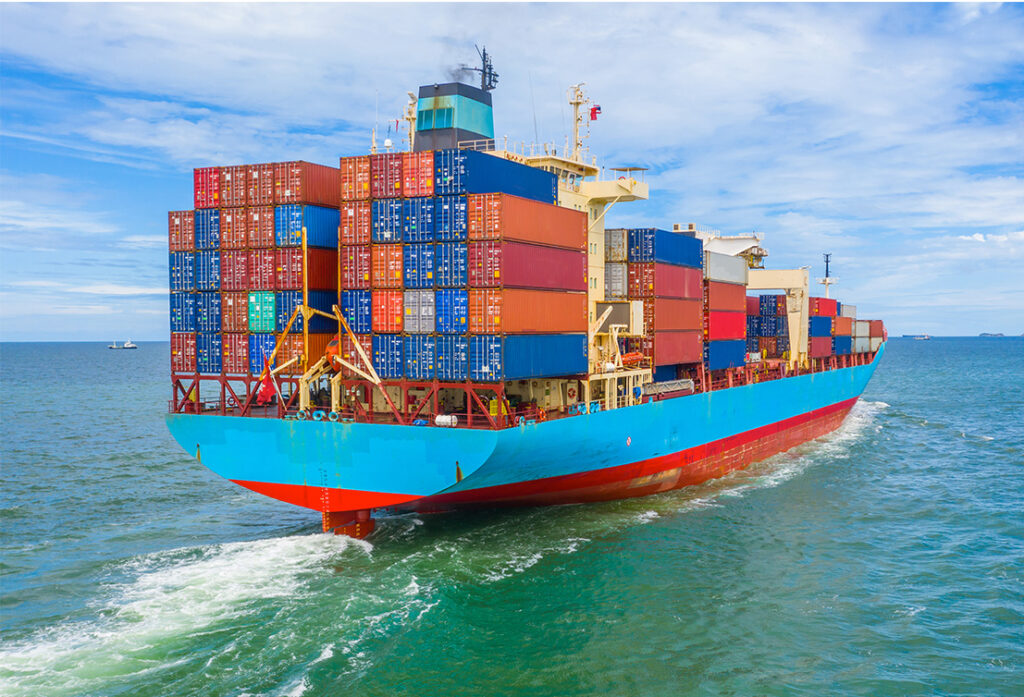
China is one of the world’s largest exporters of food and agricultural products. From preserved fruits to instant noodles, Chinese suppliers offer a vast selection at competitive prices.
Top Reasons Importers Choose China:
- Affordable sourcing: Competitive manufacturing and packaging costs.
- Global logistics network: Major ports and advanced cold-chain systems.
- Variety of goods: Processed, frozen, and packaged foods ready for export.
- Compliance: Increasing alignment with global food safety standards.
Therefore, businesses looking to expand their food supply chain benefit greatly from reliable freight options connecting China to global destinations.
2. What Are the Best Shipping Methods for Food Products from China?
| Shipping Method | Ideal Cargo Type | Transit Time | Cost Level | Notes |
|---|---|---|---|---|
| Sea Freight | Bulk dry or refrigerated food | 25–40 days | Low | Best for large volumes |
| Air Freight | Perishable, high-value food | 3–7 days | High | Fast and reliable |
| Rail Freight | Non-perishable to Europe | 15–22 days | Medium | Eco-friendly alternative |
| Courier / Express | Small food samples | 3–6 days | Very High | Best for testing or small batches |
Tip: For long-distance food shipments, reefer containers (temperature-controlled) ensure product integrity throughout the journey.
3. How Are Food Products Categorized for Export from China?
Food exports are divided into three main categories based on storage and handling needs:
| Category | Examples | Recommended Freight Type |
|---|---|---|
| Dry Food | Noodles, spices, grains, canned goods | Sea / Rail freight |
| Frozen Food | Seafood, meat, ice cream | Reefer sea or air freight |
| Perishable Food | Fresh fruits, vegetables, dairy | Air freight with temperature control |
Moreover, each category requires specific packaging and customs documentation to comply with destination country import regulations.
What are you waiting for?
Contact chinatopfreight for a fast, free quote.
Are you ready to book?
Access live instant freight quotes
4. How Much Does Food Products Freight from China Cost?
Shipping costs depend on product type, destination, and mode of transport.
| Freight Type | Weight / Volume | Estimated Cost (USD) | Notes |
|---|---|---|---|
| Sea Freight (20ft FCL) | 25–28 tons | $1,200–$1,800 | Cheapest for bulk cargo |
| Sea Freight (Reefer 40ft) | 25 tons | $4,000–$6,000 | For frozen or chilled goods |
| Air Freight | 1–1000 kg | $5–$10/kg | For urgent or perishable goods |
| Rail Freight (to Europe) | 20ft Container | $2,500–$3,200 | Cost-effective and fast |
5. What Documents Are Needed for Food Products Freight?
| Document | Purpose | Issued By |
|---|---|---|
| Commercial Invoice | Declares value and product details | Exporter |
| Packing List | Describes weight and packaging | Supplier |
| Health Certificate | Ensures food safety compliance | Chinese CIQ or Authority |
| Certificate of Origin | Confirms product origin | Chamber of Commerce |
| Bill of Lading (B/L) | Proof of shipment | Carrier |
| Import Permit | Required by destination country | Importer |
| Temperature Log Sheet | For perishable/frozen foods | Shipper / Carrier |
Pro Tip: Always check your importing country’s food safety and labeling regulations, as some may require additional laboratory testing reports or ingredient disclosures.
6. How Long Does Food Freight Take from China?
| Destination | Mode | Average Transit Time |
|---|---|---|
| USA (West Coast) | Sea Freight | 25–30 days |
| USA (East Coast) | Sea Freight | 35–40 days |
| Canada | Air Freight | 5–7 days |
| UK | Sea Freight | 30–35 days |
| Europe (Rail) | Rail Freight | 18–22 days |
| Australia | Sea Freight | 20–28 days |
| Southeast Asia | Sea Freight | 10–15 days |
Additionally, customs clearance and quarantine inspections can add 2–5 days depending on documentation accuracy and inspection schedules.
7. What Are the Packaging and Labeling Requirements for Food Exports?
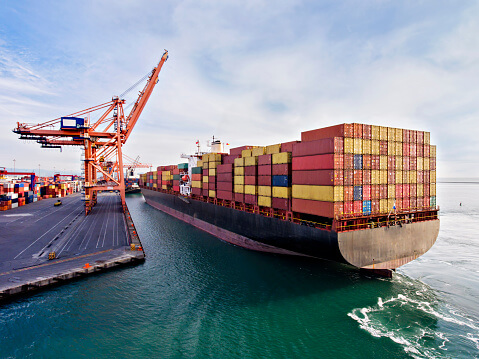
Proper packaging ensures compliance and maintains food quality during international shipping.
Packaging Guidelines
- Use vacuum sealing or airtight containers for dry food.
- For frozen or chilled goods, maintain cold-chain integrity (–18°C to +4°C).
- Include absorbent pads for seafood or meat shipments.
- Follow ISPM 15 standards for wooden pallets.
Labeling Requirements
- Product name and description in English (or destination language).
- Ingredients, allergens, and nutritional information.
- Manufacture and expiry dates.
- Storage conditions and country of origin.
- Compliance logos (FDA, EU, or CFIA approval marks where required).
Therefore, accurate labeling prevents customs rejections and builds consumer trust in destination markets.
8. How to Ensure Food Safety During Freight from China
Maintaining quality and safety during transportation is critical for all food shipments.
Best Practices for Food Freight:
- Use temperature-controlled containers for perishables.
- Implement real-time GPS and temperature tracking.
- Choose carriers experienced in cold-chain logistics.
- Obtain food-grade packaging certifications (BRC, ISO 22000).
- Conduct pre-shipment inspections and microbiological testing.
Moreover, ensure your freight partner provides 24/7 monitoring to detect temperature fluctuations or potential spoilage early.
9. How Do Customs and Quarantine Work for Food Imports?
Importing food involves strict inspection and documentation procedures to meet health and safety standards.
Customs Clearance Steps:
- Declaration Filing: Submit import declaration and documents to customs.
- Inspection & Sampling: Authorities verify packaging, labeling, and ingredients.
- Duties & Taxes: Based on HS code classification and food category.
- Release & Delivery: Once approved, goods are cleared for distribution.
| Inspection Type | Duration | Cost (USD) | Description |
|---|---|---|---|
| Basic Inspection | 1–2 days | $100–$300 | For dry food |
| Quarantine & Sampling | 2–5 days | $300–$800 | For meat or dairy |
| Cold-Chain Verification | 1–2 days | $150–$400 | For frozen or chilled goods |
Tip: Using an experienced customs broker minimizes clearance delays and ensures compliance with all import regulations.
10. Sea vs Air Freight for Food Products: Which Is Better?
| Factor | Sea Freight | Air Freight |
|---|---|---|
| Cost | Low | High |
| Transit Time | 25–40 days | 3–7 days |
| Temperature Control | Available (reefer containers) | Excellent (air chillers) |
| Cargo Type | Bulk, non-perishables | Perishable, high-value food |
| Environmental Impact | Lower CO₂ per kg | Higher CO₂ footprint |
| Customs Clearance | Standard | Faster |
Therefore, sea freight suits large-volume dry food shipments, while air freight is best for short-shelf-life perishables like seafood, fruits, or dairy.
Conclusion
Choosing the right logistics strategy for food products freight from China ensures freshness, compliance, and profitability. Sea freight is best for dry or bulk goods, while air freight guarantees the fastest transit for perishable products.
By partnering with experienced freight forwarders, importers can manage temperature control, navigate customs, and meet international food safety standards with confidence.
In summary, food shipping success depends on planning, compliance, and collaboration—ensuring every shipment from China reaches global markets in perfect condition.
FAQ
1. Can I import frozen food from China safely?
Yes, using refrigerated (reefer) containers and certified cold-chain logistics ensures frozen products remain at optimal temperatures during transit.
2. What are the most popular exported food products from China?
Top exports include noodles, seafood, spices, canned fruits, sauces, frozen vegetables, and packaged snacks.
3. Do I need a food import license?
Yes, most countries require importers to register and obtain a food import license before customs clearance.
4. How can I prevent spoilage during transit?
Use insulated packaging, moisture control materials, and continuous temperature monitoring systems throughout the shipping process.
5. Are food shipments from China subject to inspection?
Yes, all food imports undergo inspection and may be sampled to ensure compliance with food safety and labeling regulations.