

Food Products Sea Freight from China: Your Ultimate Guide
Shipping food products from China requires careful planning and execution to ensure safety, compliance, and cost-effectiveness. Navigating international logistics for perishable or sensitive goods can be complex, involving strict regulations and specific handling requirements. This comprehensive guide will explore the intricacies of food products sea freight from China, offering insights into optimizing your supply chain and securing your cargo’s journey.
Why Choose Sea Freight for Food Products from China?
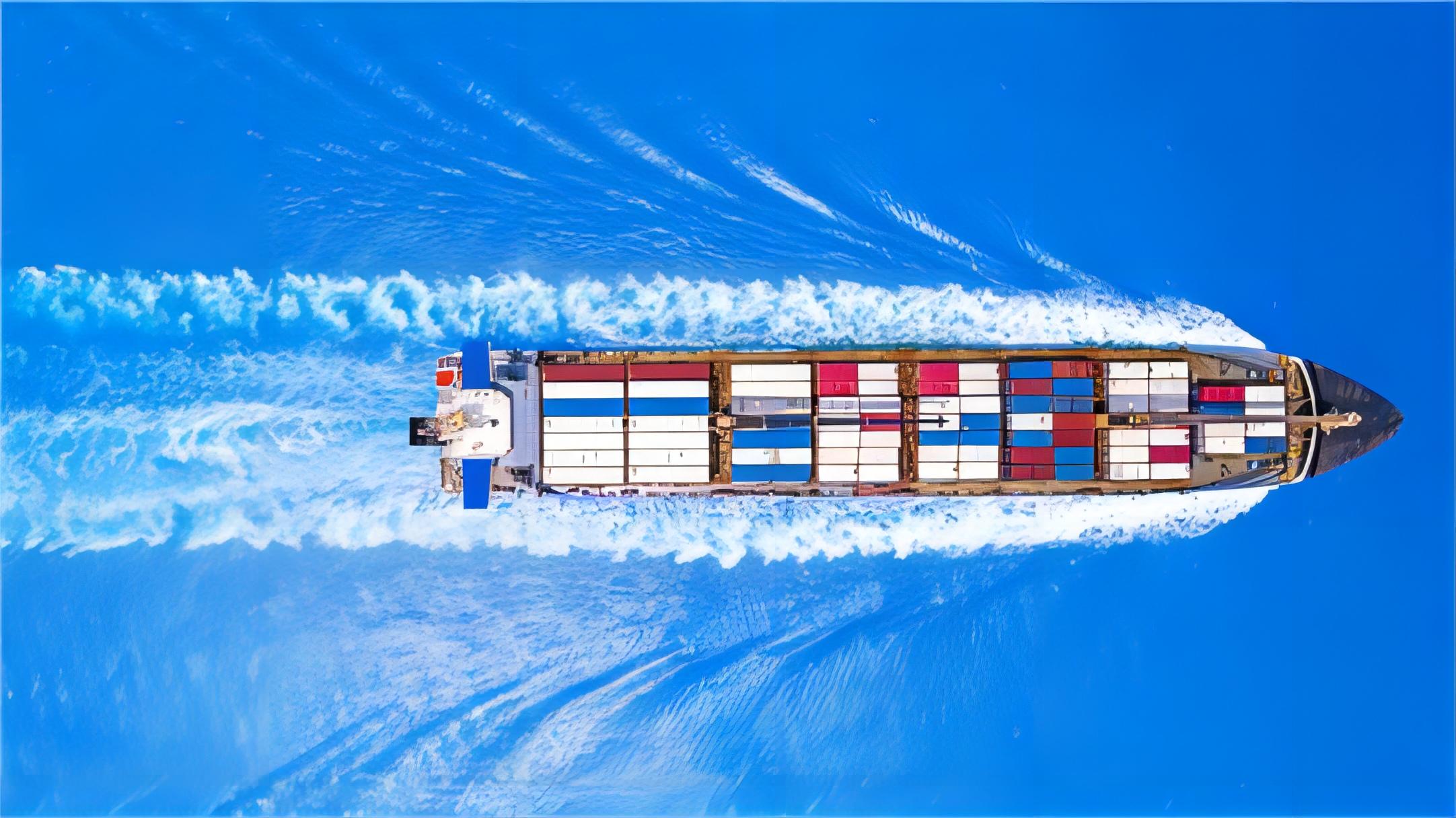
When importing food products from China, sea freight often emerges as the most economical and sustainable choice. This method particularly suits large volumes of non-perishable or appropriately packaged temperature-controlled goods. Consequently, businesses can significantly reduce their overall shipping expenditures, which directly impacts profit margins.
Moreover, ocean vessels boast immense carrying capacity, accommodating everything from bulk ingredients to packaged consumer goods. This allows for economies of scale, making it ideal for businesses seeking to import substantial quantities. For instance, shipping frozen vegetables or canned fruits via sea freight is generally more viable than air cargo due to cost.
Key Considerations for Food Products Sea Freight from China
Successfully moving food products requires strict adherence to international and destination country regulations. Importers must comply with food safety standards, labeling requirements, and obtain necessary health certificates. Therefore, understanding these complex rules is paramount before initiating any shipment.
Furthermore, perishable food items demand specialized handling, including refrigerated containers known as reefers. Maintaining a consistent cold chain throughout the journey prevents spoilage and preserves product quality. Additionally, proper packaging and accurate customs documentation are crucial steps in this intricate process. For seamless navigation through these requirements, consider expert assistance in customs brokerage.
How Does Sea Freight Compare to Other Shipping Options?
Choosing the right shipping method for your food products from China depends on various factors, including urgency, budget, and cargo type. While sea freight offers unparalleled cost-effectiveness for bulk shipments, other options provide different advantages. Consequently, evaluating each method carefully is essential for optimal logistics planning.
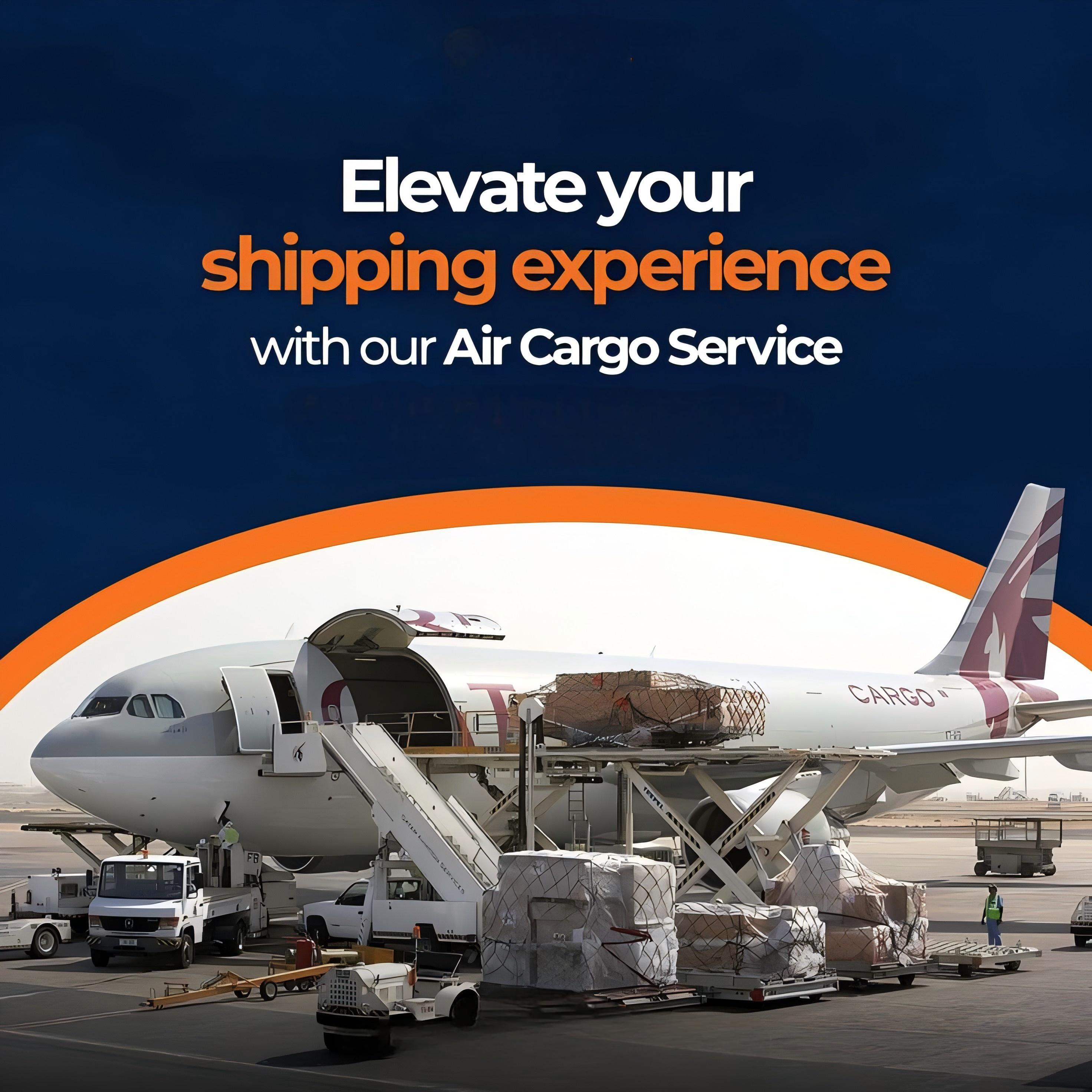
For time-sensitive or high-value perishable goods, air freight presents a faster, albeit more expensive, solution. Conversely, for certain regions, rail freight can offer a middle ground in terms of speed and cost, particularly for landlocked destinations in Europe. Ultimately, the decision hinges on balancing speed against shipping costs and cargo characteristics. Exploring sea freight options remains a primary consideration for many.
| Shipping Method | Cost Range | Transit Time | Key Characteristics |
|---|---|---|---|
| Sea Freight | Low | Long (20-45 days) | Best for bulk, heavy, non-urgent; requires temperature control for perishables. Slower. |
| Air Freight | High | Short (3-7 days) | Best for urgent, high-value, perishable, small volumes. Very expensive. |
| Rail Freight | Medium | Medium (15-25 days) | Good for Europe-bound, non-perishable, moderate urgency. Limited routes. |
Alternative Shipping Strategies and Hybrid Solutions
For shipments under 15 CBM, Less than Container Load (LCL) sea freight may be more economical than a full container, even if it adds a few days to transit. Conversely, if you have sufficient volume, a Full Container Load (FCL) offers better security and potentially faster transit. Furthermore, hybrid solutions like sea-air combination can reduce transit time compared to pure sea freight for certain routes, balancing speed and cost. This approach is useful when air freight is too costly, but sea freight is too slow.
Which Option Should You Choose?
Your decision framework should prioritize your specific business needs. If budget is your primary concern, sea freight is undoubtedly the most cost-effective solution for food products. However, if speed is paramount, especially for highly perishable items, air freight becomes necessary. Moreover, cargo type considerations, such as the need for refrigeration, will heavily influence the choice. Consider volume thresholds as well; FCL is best for large quantities, while LCL suits smaller, less urgent shipments.
Understanding Shipping Costs and Transit Times
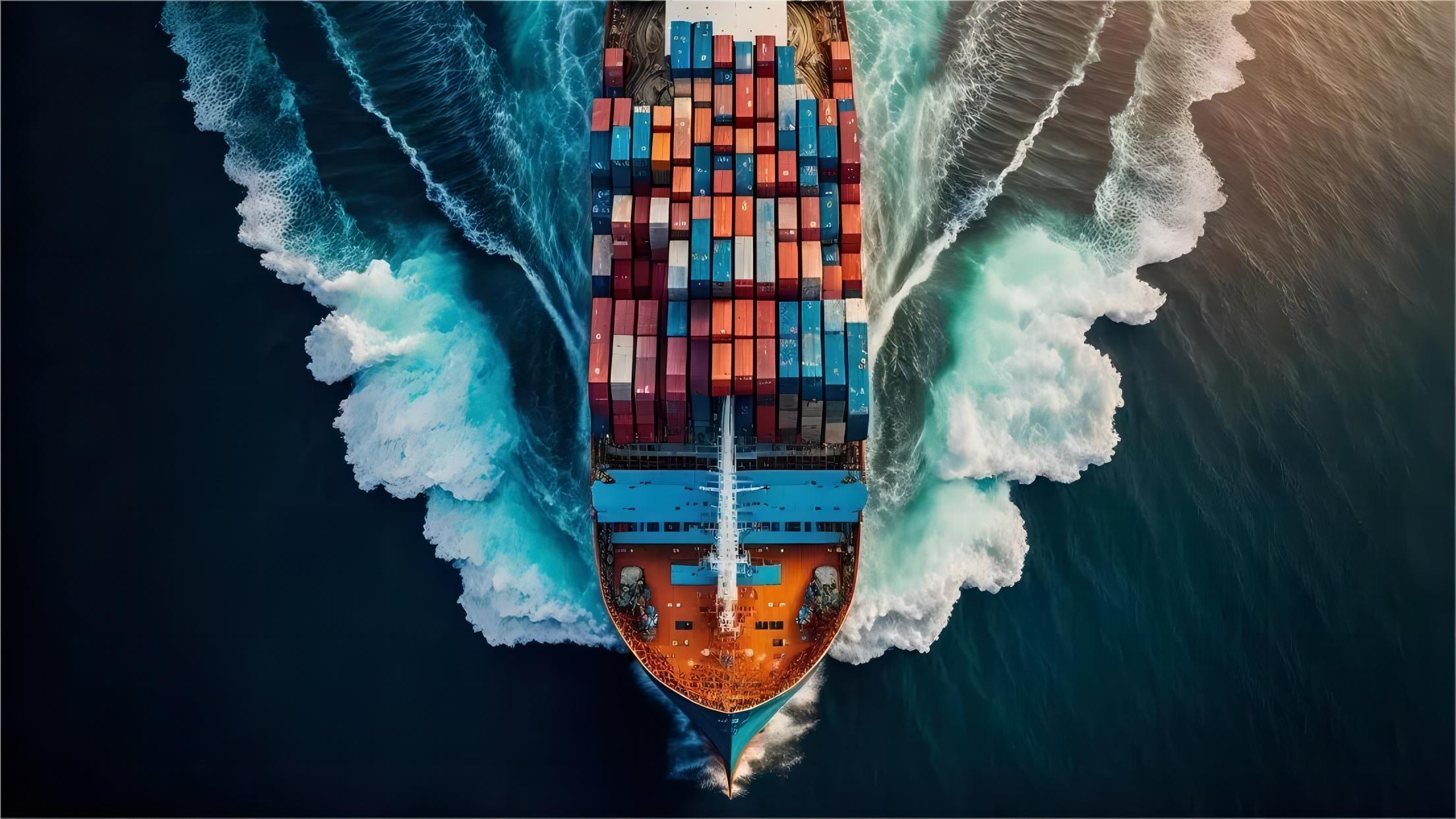
Freight rates for food products sea freight from China are influenced by numerous variables. These include fuel surcharges, container type (e.g., reefer containers cost more), port congestion, and seasonal demand fluctuations. Consequently, rates typically increase by 15-25% during August-October peak season. Additionally, global events, such as the 2024 Red Sea disruptions, can significantly impact shipping costs and transit times, leading to volatility.
Transit times also vary widely depending on the destination port, carrier, and whether the route is direct or involves transshipment. For instance, direct routes often cost 10-15% more but save 5-7 days compared to transshipment via major hubs like Singapore. Therefore, careful route planning is crucial for managing delivery schedules and maintaining product freshness.
| Destination Region | Typical Transit Time | Cost Range (40HQ, est. 2025) | Key Ports of Discharge |
|---|---|---|---|
| Europe | 28-35 days | $3,000 – $4,200 | Rotterdam, Hamburg, Felixstowe |
| USA West Coast | 14-18 days | $2,800 – $3,800 | Long Beach, Los Angeles |
| USA East Coast | 30-35 days | $4,500 – $6,000 | New York, Savannah |
| Australia | 12-18 days | $1,400 – $2,000 | Sydney, Melbourne |
Ensuring Quality and Safety: Specialized Food Logistics
The integrity of food products during sea transit is paramount, demanding specialized logistics solutions. Refrigerated containers, or reefers, are indispensable for maintaining precise temperature control for frozen, chilled, and even some dry goods. Indeed, continuous temperature monitoring systems are often employed to detect and prevent any deviations that could compromise cargo quality.
Furthermore, stringent hygiene protocols must be observed throughout the loading, transit, and unloading processes. Proper ventilation, pest control, and secure stacking within containers are also critical factors. Ultimately, partnering with logistics providers experienced in cold chain management ensures compliance and preserves the freshness and safety of your food imports.
Real-World Scenarios: Food Products Sea Freight from China
Based on Q3 2024 market rates, these examples provide a realistic snapshot of costs and timelines. However, rates fluctuate based on fuel surcharges, peak seasons, and carrier capacity. Always obtain a current quote for your specific food products sea freight from China.
Case Study 1: Frozen Vegetables to Europe
This case illustrates the successful shipment of frozen vegetables requiring strict temperature control.
| Field | Value |
|---|---|
| Route | Qingdao, China -> Rotterdam, Netherlands |
| Cargo | Frozen mixed vegetables, 60 CBM, 20,000 kg |
| Container | 40HQ Reefer |
| Shipping Details | |
| – Carrier/Service | Major carrier |
| – Port of Loading | Qingdao |
| – Port of Discharge | Rotterdam |
| – Route Type | Direct |
| Cost Breakdown | |
| – Ocean Freight | $4,100 |
| – Origin Charges | $450 |
| – Destination Charges | $600 |
| – Customs & Duties (estimated) | $800 |
| – Total Landed Cost | $5,950 |
| Timeline | |
| – Booking to Loading | 7 days |
| – Sea Transit | 32 days |
| – Customs Clearance | 3 days |
| – Total Door-to-Door | 45 days |
| Key Insight | Proactive booking of reefer space during peak season was crucial for securing competitive rates and timely departure. |
Case Study 2: Packaged Snacks to North America (LCL)
This scenario highlights the efficiency of LCL for smaller volumes of shelf-stable food products.
| Field | Value |
|---|---|
| Route | Shanghai, China -> Los Angeles, USA |
| Cargo | Packaged snack foods, 12 CBM, 3,500 kg |
| Container | LCL 12 CBM |
| Shipping Details | |
| – Carrier/Service | Freight forwarder consolidation |
| – Port of Loading | Shanghai |
| – Port of Discharge | Los Angeles |
| – Route Type | Direct consolidation |
| Cost Breakdown | |
| – Ocean Freight | $850 |
| – Origin Charges | $280 |
| – Destination Charges | $350 |
| – Customs & Duties (estimated) | $400 |
| – Total Landed Cost | $1,880 |
| Timeline | |
| – Booking to Loading | 5 days |
| – Sea Transit | 16 days |
| – Customs Clearance | 4 days |
| – Total Door-to-Door | 28 days |
| Key Insight | Consolidating with other cargo reduced costs significantly compared to a partial container, despite slightly longer transit. |
Case Study 3: Canned Goods to Australia
This example demonstrates a standard FCL shipment of durable food items to a major Oceania market.
| Field | Value |
|---|---|
| Route | Shenzhen, China -> Sydney, Australia |
| Cargo | Canned fruits, 25 CBM, 15,000 kg |
| Container | 20GP |
| Shipping Details | |
| – Carrier/Service | COSCO |
| – Port of Loading | Shenzhen |
| – Port of Discharge | Sydney |
| – Route Type | Direct |
| Cost Breakdown | |
| – Ocean Freight | $1,100 |
| – Origin Charges | $300 |
| – Destination Charges | $250 |
| – Customs & Duties (estimated) | $350 |
| – Total Landed Cost | $2,000 |
| Timeline | |
| – Booking to Loading | 6 days |
| – Sea Transit | 14 days |
| – Customs Clearance | 2 days |
| – Total Door-to-Door | 24 days |
| Key Insight | Efficient port operations and a direct carrier service ensured a swift and cost-effective delivery, typical for this route. |
Streamlining Your Supply Chain with Door-to-Door Services
Managing multiple logistics providers for different stages of a food products shipment can be cumbersome and prone to errors. Therefore, opting for a comprehensive door-to-door service simplifies the entire process. This integrated approach covers everything from factory pickup in China to final delivery at your warehouse, ensuring seamless transitions.
Moreover, a single point of contact enhances communication and accountability, reducing potential delays and complications. This service often includes customs clearance, warehousing, and local transportation, which saves businesses time and resources. Ultimately, it provides peace of mind, knowing your valuable food cargo is expertly handled every step of the way.
Navigating Customs and Documentation for Food Imports
Importing food products from China involves a rigorous documentation process to ensure compliance with health and safety regulations. Essential documents typically include the Bill of Lading, commercial invoice, packing list, and various health or phytosanitary certificates. Furthermore, specific permits might be required depending on the type of food product and the destination country.
Accurate and complete documentation is critical to avoid customs delays, fines, or even cargo rejection. Consequently, many importers engage experienced customs brokers who specialize in food product regulations. These experts ensure all paperwork is correctly prepared and submitted, facilitating a smooth and efficient customs clearance process for your food products sea freight from China.

Conclusion: Master Your Food Products Sea Freight from China
Navigating the complexities of food products sea freight from China demands expertise, meticulous planning, and adherence to stringent regulations. From selecting the right shipping method and understanding cost drivers to ensuring cold chain integrity and managing customs, every detail matters. By leveraging specialized services and partnering with experienced logistics providers, businesses can successfully import food products, maintaining quality and efficiency.
Ultimately, a well-executed sea freight strategy for food items supports a robust supply chain and business growth. Therefore, focus on these critical areas to ensure your food products arrive safely and cost-effectively, strengthening your market position.
Ready to streamline your logistics?
Ready to optimize your food products sea freight from China? Our team of experts is prepared to provide tailored solutions and competitive quotes for your specific shipping needs. Contact us today to discuss how we can streamline your international food logistics and ensure safe, timely delivery.
Request Quote