

- By kelly
- October 20, 2025
- Logistics, Tips or Guide
Food Products Shipping China to UK: Complete Guide for Importers
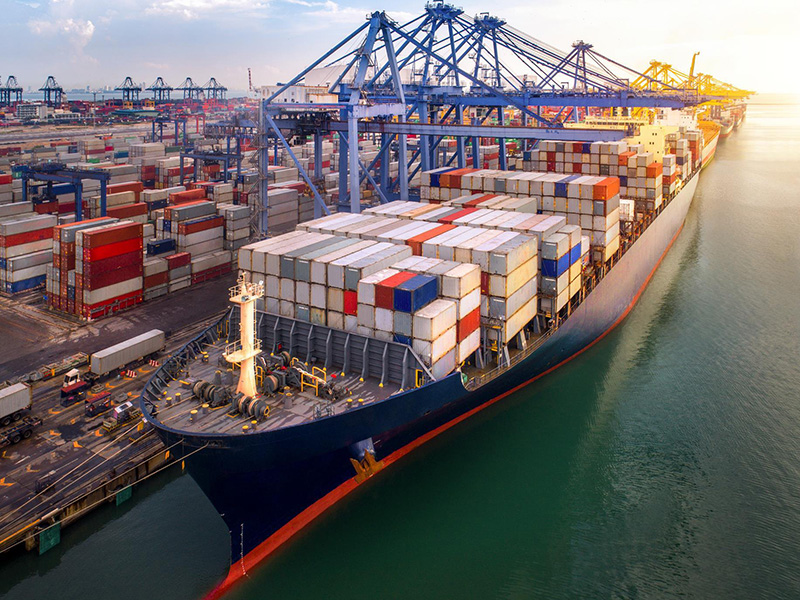
The demand for food products shipping China to UK continues to grow as British retailers and distributors seek cost-effective suppliers of packaged, processed, and specialty foods. However, importing food products involves strict compliance with UK and EU food safety regulations, detailed documentation, and careful logistics planning. This guide explains costs, customs procedures, transit times, and the best freight methods to ensure successful delivery of food imports from China to the UK.
1. Why Import Food Products from China to the UK?
China has become a leading exporter of packaged foods, snacks, canned goods, beverages, and specialty ingredients. UK businesses choose Chinese suppliers because of:
- Competitive pricing and high production capacity.
- Wide product range including sauces, noodles, tea, and confectionery.
- Established supply chain supporting bulk exports.
2. How Much Does It Cost to Ship Food Products from China to the UK?
Shipping costs depend on method (air vs. sea), cargo type, and volume.
| Shipping Method | Average Cost | Transit Time | Best For | Cons |
|---|---|---|---|---|
| Sea Freight (20FT FCL) | $2,000 – $3,200 | 30–35 days | Bulk packaged food | Long transit |
| Sea Freight (40FT FCL) | $3,800 – $5,800 | 30–35 days | Large wholesale shipments | Port congestion |
| LCL (per CBM) | $120 – $180 | 32–38 days | Small food shipments | Consolidation delays |
| Air Freight | $5 – $8/kg | 5–8 days | Perishables, urgent goods | Expensive |
| Express Courier (DHL/UPS) | $8 – $12/kg | 3–5 days | Samples, urgent orders | Limited cargo size |
3. What Is the Transit Time for Food Products Shipping China to UK?
| Route | Transit Time |
|---|---|
| Shanghai → Felixstowe | 30–35 days |
| Shenzhen → Southampton | 32–38 days |
| Ningbo → London Gateway | 28–34 days |
| Qingdao → Liverpool | 33–37 days |
| Air Freight (major airports) | 5–8 days |
4. What Documents Are Needed for Food Imports into the UK?
| Document | Purpose |
|---|---|
| Bill of Lading / Air Waybill | Proof of shipment |
| Commercial Invoice | Declares product value |
| Packing List | Itemized details of food goods |
| Certificate of Origin | Confirms Chinese origin |
| Health Certificate | Proves compliance with food safety |
| Phytosanitary Certificate | Required for plant-based foods |
| Importer’s EORI Number | Mandatory for UK customs |
| Import License (if applicable) | Certain products require permits |
5. Why Are Food Safety Regulations Important for Imports?
Food imports into the UK must comply with UK Food Standards Agency (FSA) requirements. This includes:
- Accurate ingredient labeling.
- Compliance with hygiene standards.
- Ensuring products are free from restricted substances.
Failure to meet these rules can result in customs seizures or fines.
6. Should You Choose Sea Freight or Air Freight for Food Products?
| Factor | Sea Freight | Air Freight |
|---|---|---|
| Cost | Lower | Higher |
| Speed | 30–35 days | 5–8 days |
| Best For | Bulk, non-perishable foods | Perishables, urgent shipments |
| Risk | Moderate | Low |
| Storage | Requires reefer containers for perishables | Limited volume |
Sea freight is ideal for canned goods and packaged foods, while air freight is essential for perishables.
7. What Duties and Taxes Apply to Food Imports in the UK?
- Customs duties: Vary depending on HS codes (generally 5%–15%).
- VAT: Standard 20% applied to most imported foods.
- Excise duty: May apply to beverages like alcohol.
Importers should calculate the landed cost (product + freight + insurance + duties + VAT) before placing large orders.
8. How Do Refrigerated Containers Help in Food Shipping?
Perishable food products often require reefer containers with temperature control between -25°C to +25°C. These are critical for frozen foods, dairy, seafood, and fresh produce.
9. What Are Common Challenges in Food Products Shipping?
- Customs inspections due to food safety concerns.
- Seasonal delays during holiday peaks.
- High air freight costs for perishable goods.
- Compliance issues with food labeling and packaging standards.
10. How Can Importers Reduce Shipping Costs?
- Book shipments early to avoid peak surcharges.
- Consolidate food orders for full container loads.
- Use a freight forwarder for lower contract rates.
- Choose the right mode (reefer sea freight for perishables, air for urgent).
11. Pros and Cons of Food Products Shipping China to UK
| Pros | Cons |
|---|---|
| Wide product variety | Strict food safety regulations |
| Cost-effective sourcing | Long sea transit times |
| Multiple shipping options | Customs inspections possible |
| Scalable supply chain | Higher air freight costs |
📦Get a Free Quote
If you are planning food products shipping China to UK, the safest option is to work with a professional freight forwarder experienced in food logistics. We provide customs clearance, reefer container services, and reliable air/sea freight solutions to ensure your goods arrive on time and in compliance with UK standards. Contact us today for a tailored shipping quote.
❓ Frequently Asked Questions
1. How much does it cost to ship food products from China to the UK?
Sea freight ranges from $2,000–$6,000 per container, while air freight costs $5–$8/kg depending on urgency.
2. Do food imports into the UK require special certificates?
Yes, a Health Certificate and sometimes a Phytosanitary Certificate are mandatory for customs clearance.
3. How long does customs clearance take for food shipments?
Normally 1–3 days, though delays may occur if additional safety checks are required.
4. Can frozen food be shipped from China to the UK?
Yes, using refrigerated (reefer) containers with strict temperature controls.
5. Which UK ports handle most food imports from China?
Felixstowe, Southampton, and London Gateway are the busiest UK ports for food shipments.
Conclusion
The food products shipping China to UK route is vital for British retailers, wholesalers, and distributors. Sea freight is ideal for bulk packaged food, while air freight is necessary for perishable or urgent orders. By preparing the correct documents, complying with FSA regulations, and working with a reliable freight forwarder, importers can reduce risks, save costs, and deliver safe food products to the UK market on time.