

Businesses involved in food products shipping from china must meet strict international food safety standards, navigate complex customs rules, and maintain proper temperature during transport. However, with the right shipping method, compliance documents, and packaging strategy, food exporters can move products safely and efficiently to global markets ranging from Europe to the United States. This guide covers costs, transit time, documents, and best practices to protect food quality during international transit.

1. Why Is food products shipping from china More Complex Than Standard Cargo Shipping?
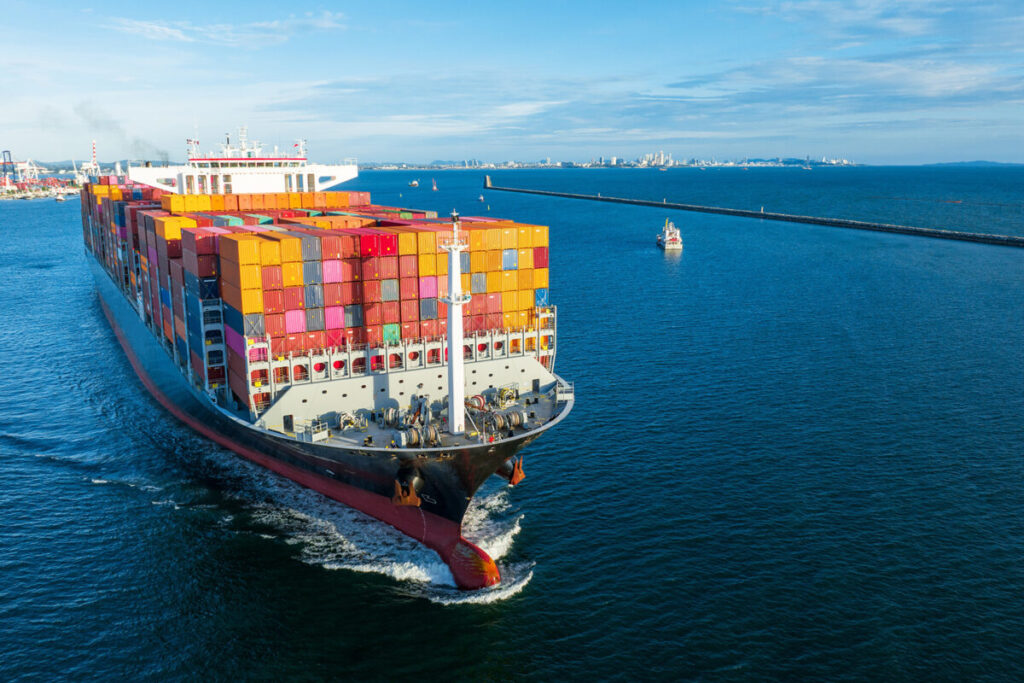
Shipping food requires strict temperature control, airtight packaging, and adherence to import regulations to prevent contamination. Moreover, many countries have unique food safety laws, ingredient restrictions, and labeling requirements that must be followed to avoid delays or product rejections.
Special Requirements for Food Shipments
- Controlled temperature for perishable products
- Export and import food safety certificates
- Ingredient declaration
- Moisture-proof packaging
- Shortened transit windows for freshness
- Destination-specific labeling rules
Long-tail keywords integrated:
China food export logistics, perishable cargo shipping from China, cold chain freight China, bulk food shipping China to Europe, dry goods import China shipping
Semantic keywords: supply chain, transit time, customs clearance, food logistics, temperature control, import/export compliance
2. How Much Does food products shipping from china Cost?
Food shipping prices depend on product type, temperature requirements, container type, route, and shipping method. Additionally, peak seasons may increase rates due to reefer container shortages.
| Shipping Method | Estimated Cost | Best For |
|---|---|---|
| Express | $10–$18/kg | Snacks, packaged dry food |
| Air Freight | $4–$10/kg | Perishable or premium food |
| Sea LCL | $80–$150/CBM | Dry food in small batches |
| Sea FCL Dry 20GP | $1,200–$2,200 | Big-volume packaged food |
| Reefer 40HQ | $4,000–$7,500 | Frozen meat, seafood, dairy |
Long-tail keywords included:
cheap food shipping China, reefer container price China export, dry food shipping cost, air freight perishable China
3. What Is the Transit Time for food products shipping from china?
Transit time varies greatly depending on the destination country and required temperature control.
| Destination | Transit Time | Notes |
|---|---|---|
| USA West Coast | 16–22 days | Refrigerated available |
| USA East Coast | 25–35 days | Longer route |
| Europe (Rotterdam) | 28–40 days | Popular for EU food imports |
| UK | 25–38 days | Post-Brexit checks |
| Middle East | 15–25 days | Fast route |
| Australia | 18–28 days | Quarantine rules strict |
Semantic keywords included: delivery schedule, container lead time, global food shipping timeline
What are you waiting for?
Contact chinatopfreight for a fast, free quote.
Are you ready to book?
Access live instant freight quotes
4. What Shipping Methods Are Best for food products shipping from china?
Food demands different shipping methods depending on shelf life, sensitivity, and packaging style.
Express Courier
- Fastest for low-weight dry goods
- Ideal for samples and small retail orders
- Not suitable for bulk perishables
Air Freight
- Best for perishable, semi-perishable, and frozen food
- Temperature-controlled air freight available
- Higher cost but shortest transit time
Sea Freight (Dry or Reefer)
- Cheapest for large-volume food shipments
- Dry containers for non-perishable goods
- Reefer containers for frozen or chilled foods
Rail Freight (China–EU)
- Balanced transit time and cost
- Suitable for packaged food, beverages
- Reefer rail options for temperature-controlled cargo
Long-tail keywords included:
reefer shipping China to Europe, express dry food shipping, air freight frozen food China, bulk food sea freight
5. What Documents Are Required for food products shipping from china?
International food imports face strict documentation checks to prevent food safety risks.
| Document | Purpose | Required For |
|---|---|---|
| Commercial Invoice | Value, HS code, ingredients | All shipments |
| Packing List | Carton count & weight | All shipments |
| Bill of Lading / AWB | Transport document | Sea/Air |
| Certificate of Origin | Duty reduction | Some destinations |
| Health Certificate | Safety compliance | Most food products |
| Phytosanitary Certificate | Plants, nuts, grains | Required globally |
| CIQ Certificate | China inspection | Food exports |
| MSDS | Food with chemicals | Certain items |
| Import Permit | Required by destination country | E.g., meat, dairy |
6. What Are the Pros and Cons of Shipping Food by Air, Sea, and Rail?
| Method | Pros | Cons |
|---|---|---|
| Air Freight | Fastest, best for perishables | High cost |
| Sea Freight | Lowest cost for bulk food | Long transit time |
| Rail Freight | Balanced speed and cost | Not suitable for frozen foods |
| Express | Good for small boxes | Expensive for heavy goods |
Long-tail keywords included:
air vs sea freight food, rail shipping packaged food, express shipping snacks China
7. How Should Food Be Packed for food products shipping from china?

Proper packaging prevents spoilage, contamination, and product damage.
Packaging for Dry Food
- Airtight sealed pouches
- Outer corrugated cartons
- Moisture absorbers
Packaging for Temperature-Sensitive Food
- Vacuum sealing
- Insulated foam boxes
- Gel packs or dry ice
- Use reefer containers
Labeling Requirements
- Ingredient list
- Production & expiry dates
- Storage temperature
- Country of origin
Semantic keywords: food-grade packaging, cold chain solutions, moisture protection
8. What Are Common Challenges in food products shipping from china?
Shipping food internationally is complex due to safety regulations and temperature sensitivity.
Key Challenges
- Temperature fluctuations during long voyages
- Import restrictions for certain ingredients
- Country-specific packaging regulations
- Spoilage risks for fresh or frozen food
- Quarantine checks for grains and nuts
- Customs delays due to incomplete documents
Long-tail keywords included:
avoid food shipping delays, frozen food shipping challenges, import compliance food industry
9. What HS Codes Apply to food products shipping from china?
| Food Category | HS Code |
|---|---|
| Instant noodles | 1902.30 |
| Snacks / biscuits | 1905.90 |
| Tea | 0902.10 |
| Coffee | 0901.21 |
| Dried fruit | 0813.30 |
| Meat & seafood (frozen) | 0303 / 0203 |
| Sauces & condiments | 2103.90 |
Long-tail keywords included:
food product HS code China export, global food tariff classification
10. What Are the Import Rules for Food Products in Major Markets?
Europe (EU)
- Must comply with EU food safety regulations
- Requires health certificates, labeling, allergen declaration
- Strict pesticide residue limits
United States
- FDA Prior Notice required
- FSMA compliance
- Importer must be registered with FDA
Australia
- Biosecurity rules extremely strict
- Meat, dairy, and nuts require permits
Semantic keywords: food regulations, global import requirements, health inspection standards
Conclusion
Successful food products shipping from china requires strict compliance with food safety regulations, proper packaging, temperature control, and accurate documentation. By understanding shipping methods, transit times, and destination rules, exporters can avoid delays, reduce spoilage risks, and deliver high-quality food products safely across global markets. Partnering with a professional logistics provider ensures smoother customs clearance, enhanced cargo protection, and a more reliable supply chain for all food categories.
FAQ
1. Can all types of food be shipped internationally from China?
Not all foods are allowed. Many countries restrict meat, dairy, seeds, or fresh produce. Always check import regulations and obtain required certificates before shipping.
2. Do food shipments need temperature control?
Many perishable items—including frozen seafood, dairy, and fresh foods—require reefer containers or insulated air freight packaging to maintain safe temperatures during transi
3. What documents are required for food imports?
Key documents include health certificates, phytosanitary certificates, CIQ reports, commercial invoices, packing lists, and import permits depending on the destination country.
4. Which method is best for shipping perishable food?
Air freight or reefer sea containers are recommended. They maintain consistent temperature controls and significantly reduce spoilage risk over long distances.
5. How do I avoid customs delays?
Prepare accurate documents, verify ingredient restrictions, follow labeling rules, and use a freight forwarder experienced in global food export and customs requirements.