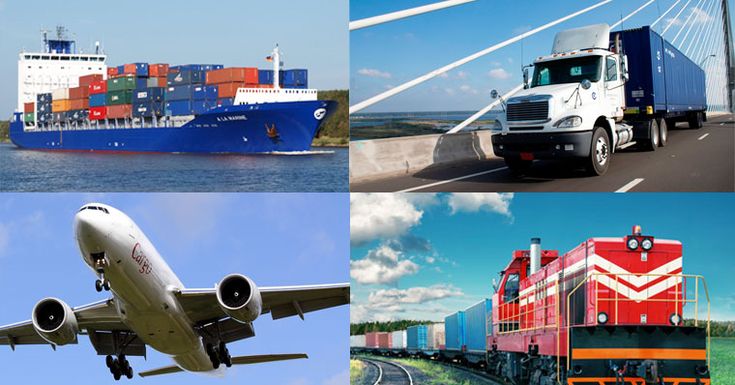
Sea Freight vs Air Freight vs Courier: Which to Choose?
Method
Pros
Cons
Sea Freight
Cheapest for bulk
Slower transit
Air Freight
Fast, reliable
Expensive
Courier
Door-to-door, easy
Costly for large cargo
What Documents Are Needed?
Document
Purpose
Bill of Lading
Shipment proof
Commercial Invoice
Declares cargo value
Packing List
Item details
Import Permit
Regulated goods
Customs Declaration
Clearance process
How Can a Forwarder Reduce Costs?
Consolidating LCL shipments.
Booking early to avoid peak-season hikes.
Choosing alternative Philippine ports.
Negotiating long-term contracts with carriers.
Should You Use FCL or LCL?
FCL (Full Container Load): Better for large shipments, cheaper per unit, faster handling.
LCL (Less than Container Load): Flexible for small volumes, but longer due to consolidation.
Which Philippine Ports Handle Cargo from China?
Manila International Container Port (MICP).
Cebu Port for central islands.
Davao Port for Mindanao region.
Pros and Cons of Using a Freight Forwarder
Pros
Cons
Professional customs handling
Service fees apply
Access to cheaper rates
Reliance on third party
Simplified logistics
Quality varies by provider
Flexible shipping options
Must choose reliable partner
Example: Real Shipment Cost Breakdown
Shipment: 1 × 40ft container, Shenzhen → Manila
Freight Rate: $3,000
Port Charges: $200
Customs Duties: $350
Insurance: $100
Total Landed Cost: $3,650
Final Thoughts
In conclusion, selecting the right forwarder from China to Philippines helps businesses lower costs, streamline customs, and ensure reliable transit times. Whether you choose FCL, LCL, air freight, or courier, a professional freight partner ensures smooth supply chains and hassle-free importing.