

- By kelly
- September 15, 2025
- Logistics, Tips or Guide
Freight Broker China: Complete 2025 Guide for Global Importers
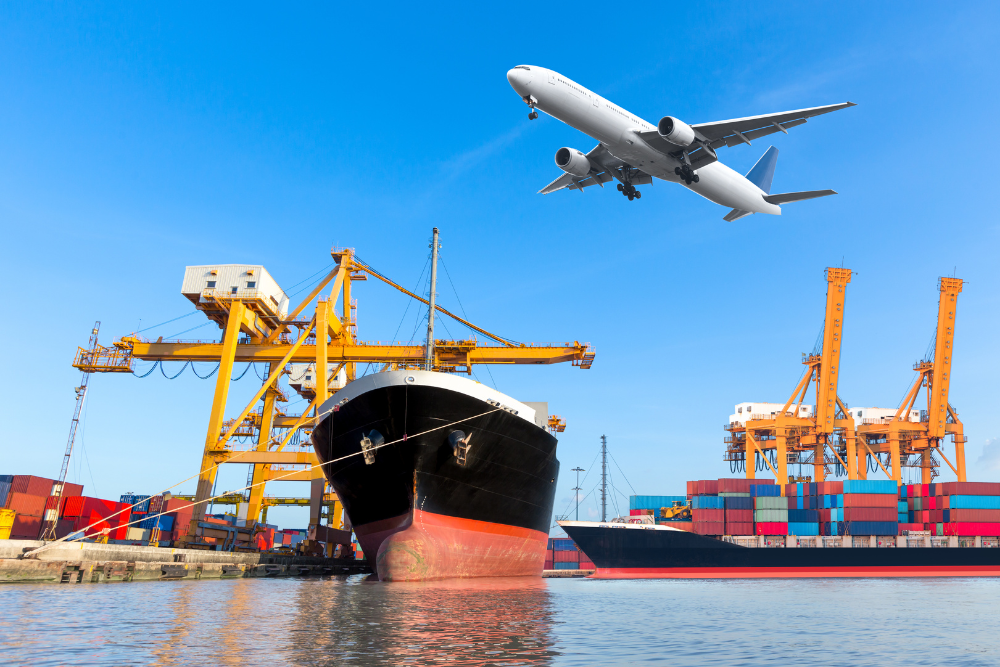
If you are importing from Asia, you’ve probably wondered whether you need a freight broker China to manage your logistics. Many businesses struggle with shipping costs, customs clearance, and delivery schedules when working with Chinese suppliers. However, a reliable freight broker ensures smoother supply chain management, competitive rates, and hassle-free international shipping. This guide explains their role, services, costs, and how to choose the right partner.
1. What Is a Freight Broker in China?
A freight broker China acts as an intermediary between shippers and carriers, helping businesses move goods across borders efficiently. Unlike a freight forwarder who manages the shipment directly, a broker connects you with the best transport providers and ensures compliance.
Core responsibilities include:
- Negotiating freight rates with carriers
- Coordinating international shipments (sea, air, rail, courier)
- Preparing customs and compliance documents
- Ensuring smooth import/export processes
- Advising on supply chain optimization
2. Why Should You Work with a Freight Broker in China?
Working with a broker helps solve common pain points:
- Customs compliance – reduces clearance delays
- Cost savings – negotiated contracts lower rates
- Flexibility – multiple carrier options for air, sea, or rail freight
- Time efficiency – one-stop coordination for logistics needs
Moreover, they provide visibility across the supply chain, ensuring accurate tracking and predictable delivery schedules.
3. How Much Does Freight Brokerage Cost from China?
| Shipping Method | Average Transit Time | Cost Estimate (USD) | Best For |
|---|---|---|---|
| Sea Freight (20ft FCL) | 20–35 days | $2,000–$3,200 | Large cargo |
| Sea Freight (40ft FCL) | 25–40 days | $3,800–$5,600 | Bulk shipments |
| LCL (per CBM) | 25–40 days | $80–$120 | Small businesses |
| Air Freight | 5–12 days | $6–$10 per kg | Urgent cargo |
| Express Courier | 3–7 days | $8–$15 per kg | Small parcels |
| Rail Freight (China–EU) | 15–20 days | $5,000–$8,000 per container | European destinations |
4. What Factors Influence Freight Brokerage Costs?
- Cargo weight and volume (chargeable weight matters)
- Mode of transport – sea is cheapest, air is fastest
- Origin and destination – long-distance ports cost more
- Seasonal demand – rates spike during holidays
- Customs duties and taxes – vary by product classification
5. What Are the Major Chinese Ports and Airports for Freight?
| Port/Airport | Type | Common Destinations | Notes |
|---|---|---|---|
| Shanghai | Sea | USA, Europe | Largest container port globally |
| Ningbo | Sea | USA, Middle East | Major export hub |
| Shenzhen | Sea | Australia, EU | Strong electronics trade |
| Guangzhou (CAN) | Air | USA, UK, AU | Busy air freight center |
| Beijing (PEK) | Air | Global | Fast delivery for high-value goods |
6. What Customs Documents Are Required?
| Document | Purpose |
|---|---|
| Commercial Invoice | Declares goods’ value and details |
| Packing List | Breaks down shipment contents |
| Bill of Lading (B/L) or Air Waybill (AWB) | Proof of shipping contract |
| Import/Export Declaration | Required for customs clearance |
| Certificates of Origin | For duty reduction under FTAs |
7. What Are the Pros and Cons of Freight Options from China?
| Mode | Pros | Cons |
|---|---|---|
| Sea Freight | Cheapest per CBM, large capacity | Long transit time |
| Air Freight | Fast and reliable | Expensive |
| Rail Freight | Balance between sea and air | Only for China–Europe |
| Courier | Door-to-door convenience | Expensive for bulk cargo |
8. How Reliable Are Freight Brokers in China?
Reputable freight brokers:
- Provide accurate rate quotations
- Track shipments in real-time
- Minimize risks of cargo delays
- Handle customs smoothly
However, inexperienced brokers may cause miscommunication or hidden fees, so careful selection is vital.
9. Which Businesses Benefit Most from Freight Brokers?
- E-commerce sellers (Amazon FBA, Shopify, eBay)
- Small and medium enterprises (SMEs) lacking in-house logistics staff
- Manufacturers with recurring imports of raw materials
- Retailers needing cost-efficient inventory replenishment
10. How to Choose the Best Freight Broker in China?
- Experience in handling your product category
- Transparent pricing with no hidden charges
- Customs clearance expertise in both China and destination country
- Tracking technology for supply chain visibility
- Global carrier network for flexible solutions
11. Common Challenges Without a Freight Broker
- Customs clearance errors causing shipment holds
- Overpaying for freight due to lack of negotiation power
- Cargo delays from miscommunication with suppliers
- Difficulty booking container space during peak season
📦Get a Free Quote
Partnering with an experienced freight broker in China ensures affordable rates, compliance with customs, and reliable international delivery. We offer sea, air, rail, and courier options tailored to your needs. Contact us today for a competitive freight quote and let us simplify your supply chain.
❓ Frequently Asked Questions
1. What does a freight broker in China do?
They connect shippers with carriers, negotiate rates, and handle customs paperwork to ensure smooth international logistics.
2. How much does it cost to ship from China?
A 20ft container averages $2,000–$3,200, while a 40ft container costs $3,800–$5,600 depending on the destination.
3. Can small businesses use freight brokers in China?
Yes, brokers help SMEs with LCL, courier services, and affordable logistics tailored to smaller shipment sizes.
4. Do freight brokers manage customs clearance?
Yes, they handle invoices, packing lists, HS codes, and import declarations to ensure fast clearance.
5. How long does sea freight take from China?
Transit takes 20–40 days depending on route and port congestion, while air freight is 5–12 days.
Conclusion
Partnering with a freight broker China is one of the best ways to simplify global imports. They connect shippers with reliable carriers, negotiate competitive shipping costs, and manage customs requirements, making logistics more efficient. By choosing a trusted freight broker, businesses can reduce risks, cut expenses, and ensure timely deliveries across the supply chain.