

- By carlie tj
- September 8, 2025
- Logistics, Tips or Guide
Shipping goods across international borders can be complex, especially when calculating freight charges from China to Sri Lanka. Businesses often struggle with hidden costs, varying transit times, and customs clearance requirements. To simplify the process, this guide provides a detailed breakdown of costs, shipping methods, and documentation, helping importers reduce expenses and improve efficiency. For competitive quotes, visit ChinaTopFreight.
1. What Are the Current Freight Charges from China to Sri Lanka?
The cost of freight depends on the mode of transport, shipment size, and urgency. Sea freight generally offers the lowest rates for bulk cargo, while air freight ensures faster deliveries at higher prices. Additionally, factors like fuel surcharges, port handling, and customs duties influence final charges.
📌2. How Do Shipping Methods Affect Freight Charges?
| Shipping Method | Average Cost (per CBM/kg) | Transit Time | Pros | Cons |
|---|---|---|---|---|
| Sea Freight (FCL) | $1,800–$2,200 per 20ft container | 12–18 days | Cheapest for bulk | Slower |
| Sea Freight (LCL) | $60–$80 per CBM | 15–20 days | Cost-sharing | Longer consolidation |
| Air Freight | $5–$8 per kg | 3–5 days | Fastest transit | Expensive |
| Courier/Express | $8–$12 per kg | 2–4 days | Door-to-door | Limited volume |
Moreover, choosing the right method requires balancing speed with budget.
3. Why Choose Sea Freight from China to Sri Lanka?
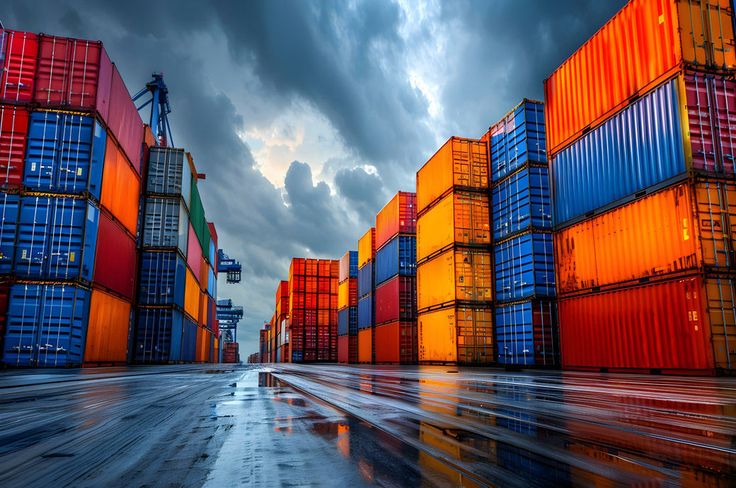
Sea freight is the most popular option for bulk imports. Full Container Load (FCL) shipments are cost-effective for large volumes, while Less than Container Load (LCL) works well for smaller consignments. Additionally, major Sri Lankan ports like Colombo handle large container traffic efficiently, ensuring smooth customs clearance.
📌4. What Are the Typical Air Freight Charges?
Air freight is ideal for urgent, high-value, or perishable shipments. Rates average between $5–$8 per kilogram depending on weight brackets and airline partners. However, additional costs like security checks, terminal handling, and fuel surcharges should be considered.
5.What Customs Duties and Taxes Apply in Sri Lanka?
Import duties in Sri Lanka vary depending on product categories. Common charges include:
- Customs Duty: Based on HS codes.
- VAT (15%): Applied to most imported goods.
- Cess Levy: Additional charge on specific commodities.
- Port Handling Charges: Vary by cargo type.
Additionally, accurate documentation ensures smooth customs clearance and prevents delays.
6.Do Incoterms Affect Freight Costs?
Yes, terms like FOB (Free on Board), CIF (Cost, Insurance & Freight), and DDP (Delivered Duty Paid) define responsibility for charges. Importers must clarify Incoterms with suppliers before shipment to avoid unexpected costs.
For reliable and transparent freight charges from China to Sri Lanka, our team provides competitive rates, expert customs support, and flexible shipping solutions. Request a quote today to secure cost-effective logistics tailored to your business.
7.Conclusion
Understanding freight charges from China to Sri Lanka is essential for budgeting and supply chain planning. Sea freight remains the most economical method, while air freight ensures faster delivery for urgent shipments. Importers must also factor in customs duties, documentation, and Incoterms. By working with experienced freight forwarders, businesses can save money, reduce risks, and ensure timely delivery of goods.
8. Request a Quote
China Top Freight offers:
- ✅ Origin and Destination Countries
- ✅ Cargo Type and Volume
- ✅ Preferred Transport Method (Air, Sea, Rail, Road)
- ✅ Delivery Timeline
- ✅ Special Handling Requirements (if any)
💬9. FAQ
Q1: What is the cheapest way to ship goods from China to Sri Lanka?
Sea freight using FCL containers offers the lowest per-unit shipping cost, making it the most affordable option for bulk cargo transportation.
Q2: How long does sea freight take from China to Sri Lanka?
Typical sea freight takes 12–18 days depending on the Chinese port of departure, destination, and any transshipment involved during transport.
Q3: Are air freight charges higher during peak seasons?
Air freight costs increase significantly during peak seasons due to limited space and high demand, especially around holidays and festivals.
Q4: Do I need an import license for goods from China to Sri Lanka?
Certain categories require an import license issued by Sri Lankan authorities, particularly restricted or regulated items such as pharmaceuticals.
Q5: What additional charges should importers expect besides freight?
Importers should account for customs duties, VAT, port handling fees, and inland delivery costs, which all contribute to total landed expenses.