

- By kelly
- September 15, 2025
- Logistics, Tips or Guide
Freight China to Australia: Complete Shipping Costs, Transit & Customs Guide
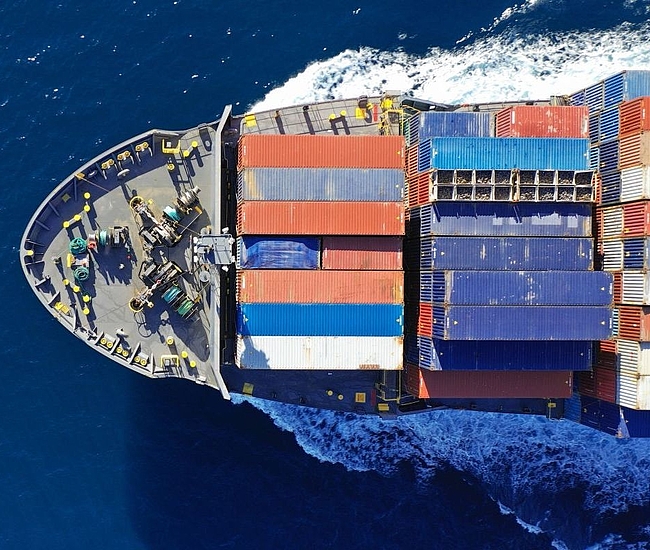
When importing goods, understanding freight China to Australia is crucial to managing your supply chain effectively. Rising shipping costs, variable transit times, and strict customs requirements can directly affect your profit margins. However, by comparing freight methods, estimating charges, and planning ahead, you can reduce costs and ensure smooth deliveries. This guide covers container pricing, transit schedules, customs documentation, and strategies to save money.
1. Why Is Freight from China to Australia Important?
China is Australia’s largest trading partner, with billions of dollars in goods shipped every year. From electronics and machinery to textiles and consumer goods, most Australian businesses depend on efficient logistics. Therefore, keeping track of freight costs and customs processes is not only important but also necessary for competitiveness.
2. How Are Freight China to Australia Costs Calculated?
Several factors affect shipping rates:
- Shipping method – sea, air, courier, or express.
- Container size – 20ft, 40ft, or 40HQ.
- Cargo weight & volume – heavy and bulky shipments increase charges.
- Origin & destination ports – e.g., Shanghai to Sydney may differ from Ningbo to Melbourne.
- Seasonal demand – Chinese New Year and holiday peaks drive prices higher.
- Customs duties & port charges – added costs upon arrival.
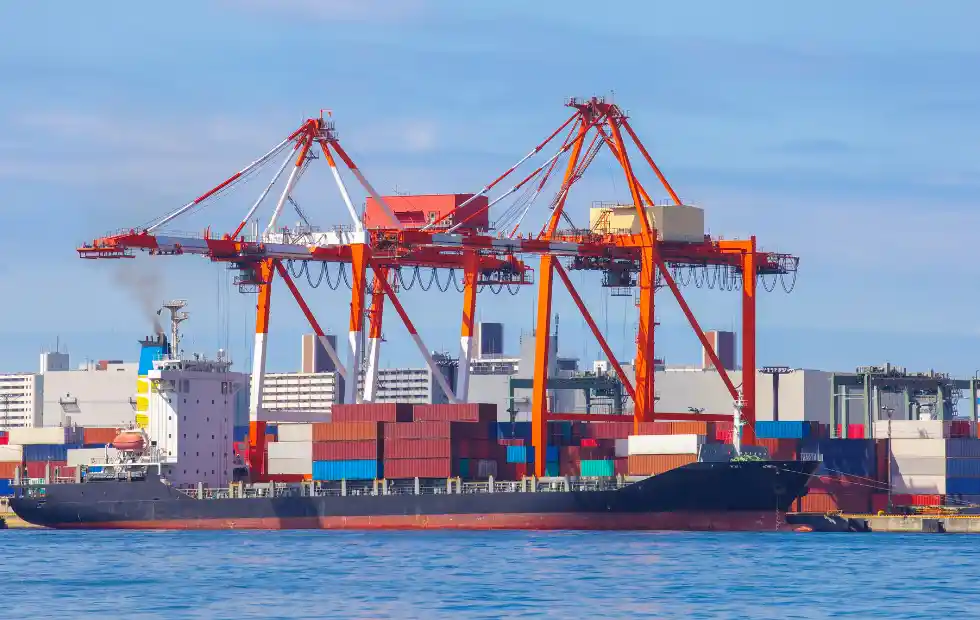
3. Average Sea Freight Charges from China to Australia
| Container Size | Average Cost (USD) | Transit Time | Best For |
|---|---|---|---|
| 20ft FCL | $1,100 – $2,000 | 18–25 days | Small/medium shipments |
| 40ft FCL | $1,800 – $3,200 | 18–25 days | Large shipments |
| 40HQ | $2,000 – $3,600 | 18–25 days | Bulky cargo |
| LCL (per CBM) | $90 – $150 | 20–28 days | Small shipments <15 CBM |
Note: Rates fluctuate weekly due to fuel costs, carrier demand, and port conditions.
4. How Long Does Shipping from China to Australia Take?
| Route | Transit Time (Days) |
|---|---|
| Shanghai → Sydney | 18–22 |
| Ningbo → Melbourne | 20–25 |
| Shenzhen → Brisbane | 16–20 |
| Guangzhou → Fremantle | 22–26 |
| Tianjin → Adelaide | 25–30 |
Although sea freight is the most affordable option, importers must plan ahead for potential delays at major ports.
5. Air Freight vs Sea Freight: Which Is Better?
| Mode | Average Cost | Transit Time | Best For | Pros | Cons |
|---|---|---|---|---|---|
| Sea Freight | $1,100–$3,600 per container | 18–30 days | Bulk shipments | Cheapest per unit, reliable | Slow, port delays |
| Air Freight | $5–$8 per kg | 3–7 days | Urgent cargo | Fast, secure | Expensive |
| Courier (DHL/UPS/FedEx) | $7–$10 per kg | 3–5 days | Small parcels | Door-to-door, tracking | High per-unit cost |
| Express Air | $9–$12 per kg | 1–3 days | Samples, urgent goods | Fastest option | Most expensive |
Therefore, while sea freight is ideal for bulk, air freight works best for urgent or high-value shipments.
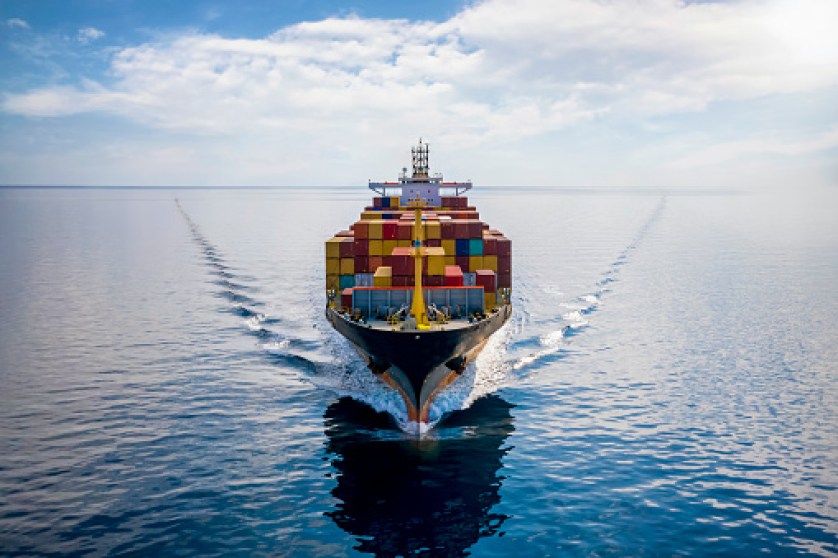
6. Customs Requirements for Freight from China to Australia
Importers must comply with Australian Border Force (ABF) and Department of Agriculture, Fisheries and Forestry (DAFF) regulations.
Required Documents:
- Bill of Lading (B/L) or Air Waybill
- Commercial Invoice
- Packing List
- Import Declaration
- Certificates of Origin (if applicable)
- Biosecurity documents for restricted items
7. Customs Duties & Taxes in Australia
- Import Duty – typically 5% of customs value, but varies by HS code.
- Goods and Services Tax (GST) – 10% on most imports.
- Customs Clearance Fees – $100–$200 per shipment.
- Biosecurity Inspection Fees – for goods like timber, food, or plants.
Additionally, importers should budget for port service charges of $300–$600.
8. Common Trade Routes from China to Australia
- Shanghai → Sydney
- Ningbo → Melbourne
- Shenzhen → Brisbane
- Guangzhou → Fremantle
- Tianjin → Adelaide
These major routes ensure steady availability of sailings, although congestion can increase costs during peak seasons.
9. FCL vs LCL: Which Should You Choose?
| Option | Pros | Cons | Best For |
|---|---|---|---|
| FCL (Full Container Load) | Lower cost per unit, secure | Requires large volume | Businesses with high shipment volume |
| LCL (Less than Container Load) | Flexible for small shipments | Longer transit due to consolidation | Small importers |
Thus, if your cargo exceeds 15 CBM, FCL usually saves more.
10. Hidden Costs Importers Should Watch Out For
- Terminal Handling Charges (THC)
- Delivery Order Fee
- Quarantine Inspection Charges
- Storage Fees (if cargo not collected promptly)
- Insurance – 0.5%–1% of shipment value
Careful planning helps avoid unnecessary expenses.
11. Example Cost Breakdown: 40ft Container Shanghai → Sydney
| Cost Component | Estimated Cost (USD) |
|---|---|
| Ocean Freight | $2,500 |
| Customs Duty (5%) | $1,250 |
| GST (10%) | $2,750 |
| Port Handling & Clearance | $500 |
| Trucking (Sydney port to warehouse) | $700 |
| Total | $7,700 |
This example shows why freight charges are only part of the total landed cost.
12. Factors Influencing Freight Charges China to Australia
- Fuel Surcharges (BAF, CAF)
- Port Congestion in Sydney and Melbourne
- Global Trade Demand fluctuations
- Seasonal Shipping Peaks (Sept–Dec)
- Container Imbalances between imports and exports
13. How to Save on Freight from China to Australia
- Book shipments early to secure space.
- Avoid peak seasons when possible.
- Use FCL instead of LCL for larger shipments.
- Consolidate smaller shipments into one.
- Partner with experienced freight forwarders.
📦Get a Free Quote
Looking to reduce your freight China to Australia costs? Our team provides tailored solutions for sea, air, and courier shipments. Get accurate container rates, faster customs clearance, and seamless delivery. Contact us today for a free quote and start optimizing your supply chain.
❓ Frequently Asked Questions
Q1: What is the cheapest way to ship from China to Australia?
Sea freight is the most affordable option for large shipments, especially FCL containers.
Q2: How long does sea freight take from China to Australia?
Transit times range from 16–30 days depending on the route and port congestion.
Q3: Do freight charges include customs duties?
No, duties and GST are separate charges calculated on the value of goods.
Q4: What documents are required for customs clearance?
Importers need invoices, packing lists, bill of lading, and import declarations.
Q5: Can small businesses ship less than a container?
Yes, through LCL services, which consolidate shipments from multiple buyers.
Conclusion
Understanding freight China to Australia is essential for effective importing. While sea freight remains the most cost-efficient method, importers must also account for customs duties, GST, and port handling fees. By planning ahead, choosing between FCL and LCL wisely, and working with a trusted freight forwarder, businesses can save money and ensure smoother deliveries.