

- By kelly
- September 15, 2025
- Logistics, Tips or Guide
Freight China to India: Complete Guide on Shipping Costs, Transit Times & Customs
When businesses search for freight China to India, they face challenges like high logistics costs, complex customs rules, and unpredictable delivery times. However, by understanding shipping methods, cost structures, and documentation requirements, you can simplify your supply chain and ensure timely delivery. This guide explores everything you need to know about freight solutions between these two trade partners.
Why Is Freight China to India So Important?
Trade between China and India has grown significantly, with India importing electronics, textiles, machinery, and chemicals from China. Freight plays a vital role in ensuring goods move seamlessly. Moreover, the right shipping choice impacts profit margins, supply chain stability, and customer satisfaction.
What Are the Main Freight Options from China to India?
When booking freight, businesses can choose among sea freight, air freight, rail freight, and courier/express services. Each comes with unique benefits.
| Freight Method | Transit Time | Cost Range | Best For | Pros | Cons |
|---|---|---|---|---|---|
| Sea Freight (FCL/LCL) | 20–30 days | Lowest | Bulk cargo | Economical, large volumes | Slow, port delays |
| Air Freight | 3–7 days | Higher | Urgent shipments | Fast, reliable | Expensive |
| Rail Freight | 14–18 days | Moderate | Mid-size cargo | Balanced speed & cost | Limited coverage |
| Courier/Express | 3–5 days | Highest (per kg) | Small parcels | Door-to-door, fast | Costly for bulk |
How Much Does Freight from China to India Cost?
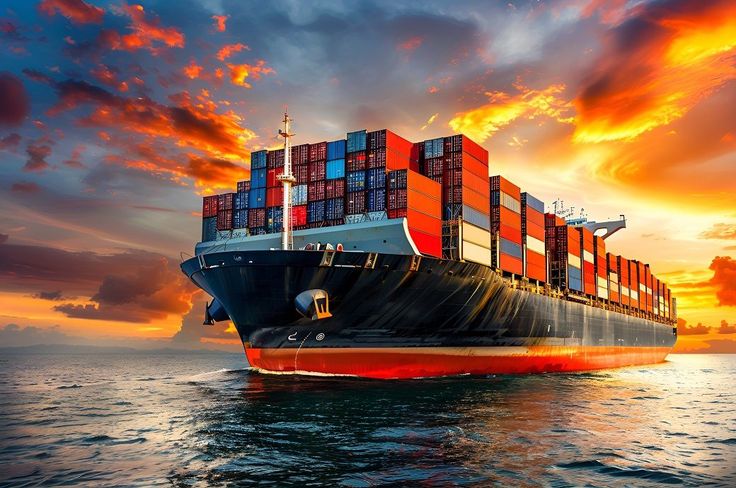
Shipping costs depend on cargo weight, volume, method, and seasonality. Below is a general estimate:
| Cargo Type | Sea Freight Cost | Air Freight Cost | Courier Cost |
|---|---|---|---|
| 20ft Container | $1,200–$1,800 | N/A | N/A |
| 40ft Container | $2,200–$3,200 | N/A | N/A |
| 100 kg cargo | $250–$400 (LCL) | $600–$900 | $1,000+ |
| 500 kg cargo | $800–$1,200 (LCL) | $2,800–$3,500 | $5,000+ |
Note: Prices vary depending on ports, airlines, and seasonal demand.
Which Ports and Airports Connect China and India?
Major Sea Ports
- China: Shanghai, Shenzhen, Ningbo, Qingdao, Guangzhou
- India: Mumbai (Nhava Sheva), Chennai, Kolkata, Cochin
Major Airports
- China: Beijing Capital (PEK), Guangzhou (CAN), Shanghai Pudong (PVG)
- India: Delhi (DEL), Mumbai (BOM), Bangalore (BLR), Chennai (MAA)
Therefore, businesses can choose multiple entry points based on cargo type and final destination.
What Customs Documents Are Required?
Customs clearance is a critical step in freight from China to India. Below is a checklist:
| Document | Purpose |
|---|---|
| Bill of Lading / Airway Bill | Proof of shipment |
| Commercial Invoice | Declares value of goods |
| Packing List | Itemized cargo details |
| Certificate of Origin | Confirms origin country |
| Import Export Code (IEC) | Mandatory for Indian importers |
| Insurance Certificate | Protects cargo |
| Letter of Credit (if applicable) | Payment security |
Additionally, compliance with Indian Bureau of Standards (BIS) is required for specific products like electronics and chemicals.
How Long Does It Take to Ship Freight China to India?
Transit times vary depending on the chosen method:
| Method | Average Transit Time | Notes |
|---|---|---|
| Sea Freight (FCL) | 20–30 days | Longer during peak season |
| Sea Freight (LCL) | 25–35 days | Extra consolidation time |
| Air Freight | 3–7 days | Fastest for urgent cargo |
| Rail Freight | 14–18 days | Balanced option |
| Courier | 3–5 days | Door-to-door service |
Therefore, businesses must balance cost versus time when choosing the best option.
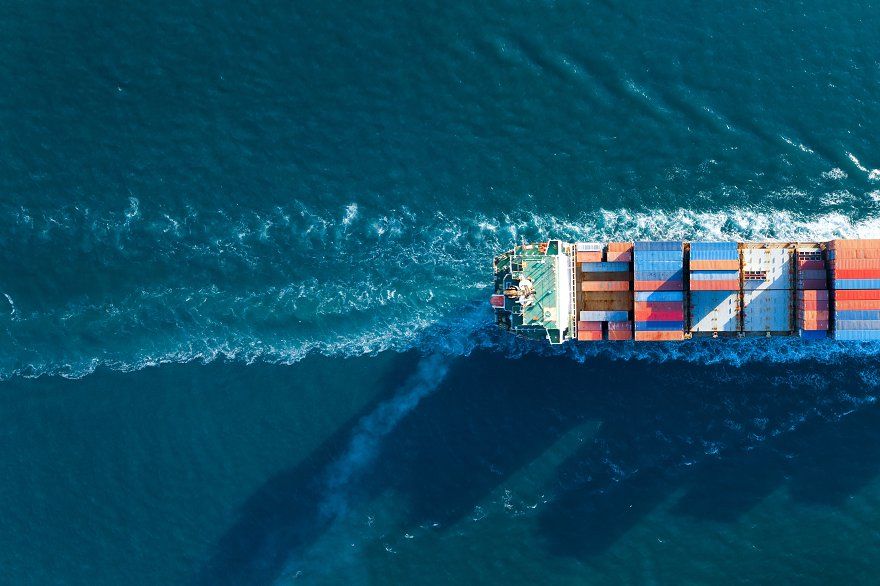
Should You Choose FCL or LCL for Sea Freight?
- FCL (Full Container Load): Best for large shipments, offers cost efficiency per unit, faster handling, and lower risk of damage.
- LCL (Less than Container Load): Suitable for smaller shipments; however, it involves longer handling and potential delays due to consolidation.
Is Air Freight a Better Option Than Sea Freight?
Although air freight is significantly faster, it is costlier. Below is a comparison:
| Factor | Air Freight | Sea Freight |
|---|---|---|
| Cost | High | Low |
| Transit Time | 3–7 days | 20–30 days |
| Reliability | Very high | Moderate |
| Best For | Electronics, urgent cargo | Bulk goods, low urgency |
Can Rail Freight Be a Good Alternative?
Rail freight between China and India is emerging as a cost-effective, eco-friendly alternative. It is faster than sea freight but cheaper than air freight. However, coverage is limited, and cargo must comply with cross-border regulations.
What Factors Affect Freight Costs from China to India?
Several factors influence costs:
- Cargo weight and volume
- Incoterms (FOB, CIF, DAP, DDP)
- Customs duties and GST in India
- Seasonal surcharges (peak shipping seasons)
- Choice of ports and carriers
- Type of cargo (hazardous, oversized, temperature-controlled)
How Can Businesses Reduce Freight Costs?
To minimize shipping expenses:
- Book in advance to avoid peak season surcharges.
- Choose FCL when possible for cost efficiency.
- Use rail freight as a middle ground for mid-sized cargo.
- Consolidate shipments with a trusted freight forwarder.
- Compare multiple carriers for better rates.
📦Get a Free Quote
China Top Freight provides customized freight China to India services, covering sea, air, rail, and courier shipping. Our team ensures smooth customs clearance, competitive pricing, and reliable delivery schedules tailored to your business needs. Contact us today for a free quote and professional consultation.
❓ Frequently Asked Questions
Q1: What is the cheapest shipping method from China to India?
Sea freight is usually the cheapest, especially for FCL containers, although it takes 20–30 days depending on the port.
Q2: How much does air freight cost from China to India per kg?
On average, $6–$9 per kg, depending on weight breaks, airline, and season. Express couriers may charge higher.
Q3: Do I need an Import Export Code (IEC) for shipping to India?
Yes. All Indian importers must have an IEC issued by DGFT to clear customs successfully.
Q4: How long does customs clearance take in India?
Typically, 1–3 working days if all documents are in order. However, delays can occur during inspections.
Q5: Can small businesses use courier services for imports?
Yes. Courier services like DHL, FedEx, and UPS are ideal for small shipments under 100 kg with door-to-door delivery.
Conclusion
Choosing the right freight China to India method depends on your budget, cargo size, and delivery timeline. Sea freight offers cost savings, air freight ensures speed, and rail freight balances both. Additionally, understanding customs rules, required documents, and cost factors will help you avoid delays. Partnering with a reliable freight forwarder guarantees efficient shipping, better rates, and peace of mind for your supply chain.