

- By ayla tj
- September 11, 2025
- Logistics Guide
Freight cost from China is one of the most important factors for businesses engaged in global trade. However, costs vary widely depending on shipping methods, cargo type, customs duties, and destination ports. Moreover, without a clear understanding of these costs, companies risk overspending and facing delays. Working with reliable Chinese freight forwarders offering sea freight, air freight, rail freight, and courier services ensures a smoother and more cost-efficient importing experience.
What Determines the Freight Cost from China?
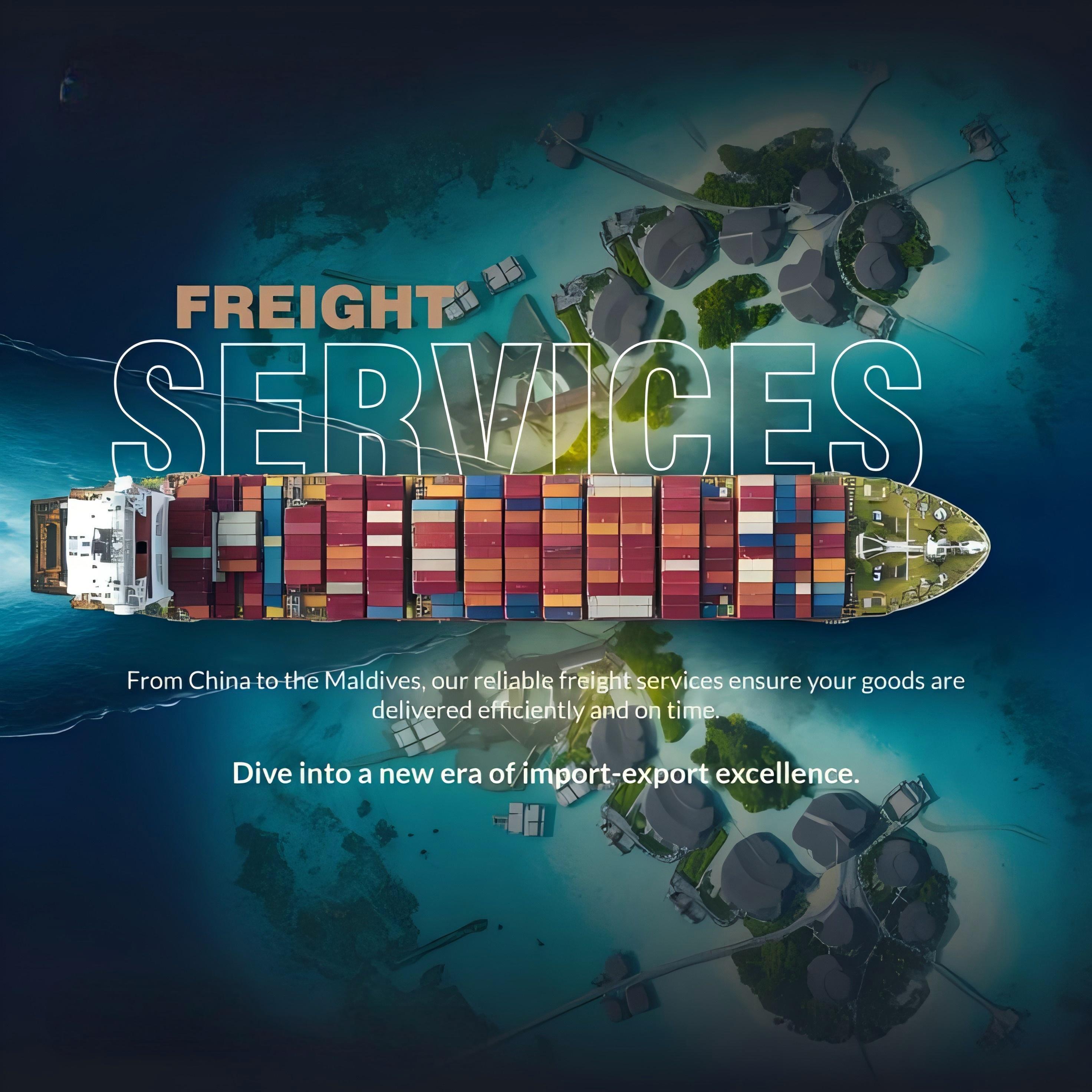
Several factors impact shipping costs, including container size, shipment weight, distance, carrier rates, fuel prices, and customs clearance requirements. Additionally, seasonal demand—such as around Chinese New Year—can significantly increase freight rates.
How Much Does Sea Freight Cost from China?
| Container Type | Average Cost (USD) | Cargo Type |
|---|---|---|
| 20ft Container | $1,500 – $2,500 | Small to medium cargo |
| 40ft Container | $2,800 – $4,200 | Bulk or heavy goods |
| 40ft High Cube | $3,000 – $4,500 | Oversized shipments |
How Much Does Air Freight Cost from China?
| Weight Bracket | Average Cost (USD/kg) | Best For |
|---|---|---|
| 45–100 kg | $5.50 – $7.00 | General cargo |
| 100–300 kg | $4.50 – $6.00 | Electronics, textiles |
| 300+ kg | $4.00 – $5.50 | Heavy air cargo |
What are you waiting for?
Contact TJ China Freight for a fast, free quote.
Are you ready to book?
Access live instant freight quotes
How Long Does Freight from China Take?
| Route | Mode | Average Transit Time |
|---|---|---|
| Shanghai → Los Angeles | Sea | 18–25 days |
| Ningbo → New York | Sea | 30–35 days |
| Guangzhou → London | Sea | 28–32 days |
| Beijing → Frankfurt | Air | 3–5 days |
| Shenzhen → Sydney | Sea | 18–22 days |
Should You Choose FCL or LCL for Sea Freight?
- FCL (Full Container Load): Cost-effective for high volumes, more secure, faster unloading.
- LCL (Less than Container Load): Affordable for small shipments but may face delays due to consolidation and deconsolidation.
| Option | Pros | Cons |
|---|---|---|
| FCL | Lower cost per unit, secure | Requires large cargo volume |
| LCL | Ideal for small loads, flexible | Slower, higher risk of damage |
What Customs Documents Are Required?

| Document | Purpose |
|---|---|
| Bill of Lading (B/L) or Air Waybill (AWB) | Proof of shipment |
| Commercial Invoice | Declares cargo value |
| Packing List | Cargo details |
| Certificate of Origin | Confirms manufacturing country |
| Import Declaration | Required at destination |
How Do Incoterms Affect Freight Cost from China?
Incoterms such as FOB (Free on Board), CIF (Cost, Insurance, and Freight), and DDP (Delivered Duty Paid) define responsibility for costs, risks, and customs. Choosing the right Incoterm can save significant expenses.
Sea vs Air vs Rail: Which Is Better for Freight from China?
| Mode | Cost | Transit Time | Best For |
|---|---|---|---|
| Sea Freight | Low | 18–35 days | Bulk, heavy shipments |
| Air Freight | High | 3–7 days | Urgent, small cargo |
| Rail Freight (China–Europe) | Medium | 15–25 days | Eurasian trade |
How to Reduce Freight Cost from China?
- Book shipments early during off-peak seasons.
- Use FCL instead of LCL for larger shipments.
- Consolidate cargo from multiple suppliers.
- Compare multiple forwarders’ quotes.
- Negotiate long-term contracts for frequent shipments.
- Optimize packaging to reduce volumetric charges.
Which Ports in China Handle the Most Freight?
- Shanghai Port – busiest in the world.
- Shenzhen Port – strong e-commerce and electronics exports.
- Ningbo-Zhoushan Port – leading trade hub for Europe and USA.
- Guangzhou Port – key for South China.
- Qingdao Port – heavy industry and bulk exports.
Why Work with a Freight Forwarder?
Freight forwarders handle booking, customs clearance, and cargo consolidation. Moreover, they secure competitive rates, provide tracking systems, and ensure compliance with international shipping standards, reducing stress for businesses.
Final Thoughts
The freight cost from China depends on shipping methods, cargo size, customs, and seasonal demand. Sea freight remains the most affordable option for bulk cargo, while air freight provides unmatched speed for urgent deliveries. By understanding cost factors, choosing the right Incoterms, and working with reliable freight forwarders, businesses can significantly reduce expenses and ensure smooth supply chain operations.
FAQ
Q1. What is the cheapest way to ship goods from China?
Sea freight with FCL is the most affordable option, offering low per-unit costs for bulk shipments. LCL is better for small shipments but slightly more expensive per unit.
Q2. How are air freight rates calculated from China?
Air freight charges are based on chargeable weight, which considers actual weight or volumetric weight, whichever is greater, plus additional handling fees.
Q3. How do customs duties impact freight cost from China?
Customs duties, VAT, and tariffs significantly affect overall costs. Importers should check HS codes and tariff classifications before shipping to avoid surprises.
Q4. Can I ship personal belongings from China?
Yes, personal items can be shipped by both sea and air freight. However, customs documentation and duties apply depending on the destination country’s regulations.
Q5. What hidden charges should I expect in freight shipping?
Expect port handling fees, terminal charges, customs clearance, insurance, and local delivery costs in addition to basic freight rates.