

- By carlie tj
- September 18, 2025
- Tips or Guide, Transport
Managing freight cost from China to Canada is a crucial step for businesses that import goods across the Pacific. High rates, customs complexities, and long transit times can affect profitability. At China Top Freight, we help importers reduce costs with transparent pricing, efficient shipping solutions, and reliable logistics services tailored to their supply chain.
1. What Factors Affect Freight Cost from China to Canada?
Several elements contribute to the final cost:
- Shipping Method: Sea, air, rail, or courier.
- Cargo Volume & Weight: Heavy or bulky shipments usually favor sea freight.
- Incoterms (DDP, DAP, FOB, CIF): Define responsibilities for freight and customs.
- Fuel Surcharges & Seasonal Demand: Holidays and peak seasons increase prices.
- Customs Duties & Taxes: Vary depending on product category.
Understanding these factors helps importers budget more accurately.
2. How Much Does Sea Freight Cost from China to Canada?
Sea freight is the most cost-effective option for large shipments.
| Container Size | Average Cost (USD) | Transit Time | Best For |
|---|---|---|---|
| 20ft FCL | $4,000 – $5,200 | 25–35 days | Small to medium volume |
| 40ft FCL | $6,500 – $8,500 | 25–35 days | High-volume goods |
| LCL (per CBM) | $120 – $160 | 28–38 days | Small shipments |
Pros: Cheapest for bulk shipments, reliable schedules.
Cons: Slow transit, port congestion delays.
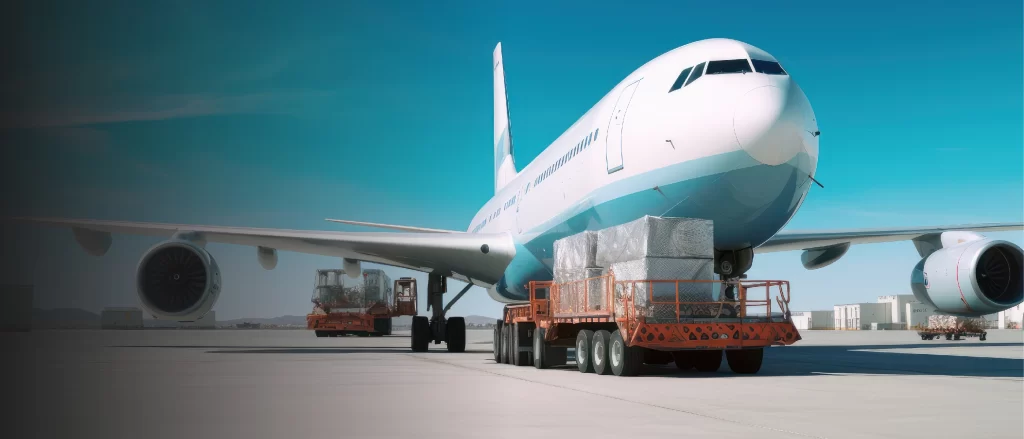
3. What Is the Cost of Air Freight from China to Canada?
Air freight is preferred for urgent or high-value goods.
- General Cargo Rates: $5.50 – $7.50 per kg.
- Express Air Freight: $8.50 – $10.50 per kg.
- Transit Time: 3–7 days depending on the route.
Pros: Fast delivery, high security.
Cons: Expensive for bulky or heavy cargo.
4. Can Courier Services Be a Better Option?
Courier services (FedEx, UPS, DHL, SF Express) are ideal for parcels under 150kg.
| Courier | Cost per kg (USD) | Transit Time | Best Use |
|---|---|---|---|
| DHL | $8 – $12 | 3–5 days | Small, urgent packages |
| FedEx | $7 – $11 | 4–6 days | Samples, documents |
| UPS | $7 – $10 | 4–6 days | E-commerce orders |
5.What Customs Duties Apply for Canada Imports?
When importing from China, you must consider:
Import Duties: Usually 0–8% depending on HS Code.
GST (Goods & Services Tax): 5% of declared value.
PST/HST: Varies by province (e.g., Ontario 13%, British Columbia 12%).
Documentation Needed:
- Commercial Invoice
- Packing List
- Bill of Lading / Airway Bill
- Canada Customs Invoice (CCI)
6.Do Canadian Businesses Benefit from DDP Shipping?
Delivered Duty Paid (DDP) allows shippers to pay all taxes, customs clearance, and delivery fees upfront.
Benefits:
- Simplifies process for Canadian buyers.
- Faster customs clearance.
- Transparent pricing.
Drawbacks:
- Slightly higher freight rates.
- Limited to certain product categories.
Looking to reduce your freight cost from China to Canada? Partner with an experienced freight forwarder like China Top Freight to access competitive rates, reliable schedules, and customized logistics solutions. Contact us today to request a free quote tailored to your business needs.
7.Conclusion
The freight cost from China to Canada varies based on shipping method, cargo volume, and customs regulations. Sea freight remains the most economical, while air freight and courier services offer speed and convenience. By planning shipments strategically, using the right Incoterms, and partnering with an experienced freight forwarder, businesses can save significantly while ensuring smooth delivery. Ultimately, optimizing freight costs is key to staying competitive in Canada’s growing import market.
8. Request a Quote
China Top Freight offers:
- ✅ Origin and Destination Countries
- ✅ Cargo Type and Volume
- ✅ Preferred Transport Method (Air, Sea, Rail, Road)
- ✅ Delivery Timeline
- ✅ Special Handling Requirements (if any)
9. FAQ
Q1: What is the cheapest way to ship goods from China to Canada?
Sea freight using LCL is the most affordable option for small to medium shipments. It balances cost efficiency with reliable delivery times.
Q2: Can I track my shipment from China to Canada?
Most freight forwarders and carriers provide online tracking tools, offering real-time visibility of your shipment from origin to final destination.
Q3: Do I need a customs broker when importing into Canada?
While not mandatory, hiring a customs broker ensures faster clearance, fewer errors, and compliance with Canadian import regulations.
Q4: How do Incoterms affect shipping costs?
Incoterms define responsibilities. For example, DDP includes duties and taxes, while FOB only covers shipping until the port of departure.
Q5: What documents are required for air freight shipments?
Common documents include commercial invoice, packing list, airway bill, and any product-specific certificates required by Canadian authorities.