

- By kelly
- October 22, 2025
- Logistics, Tips or Guide
Freight Forwarder China to Belgium: Complete Guide for Hassle-Free Shipping
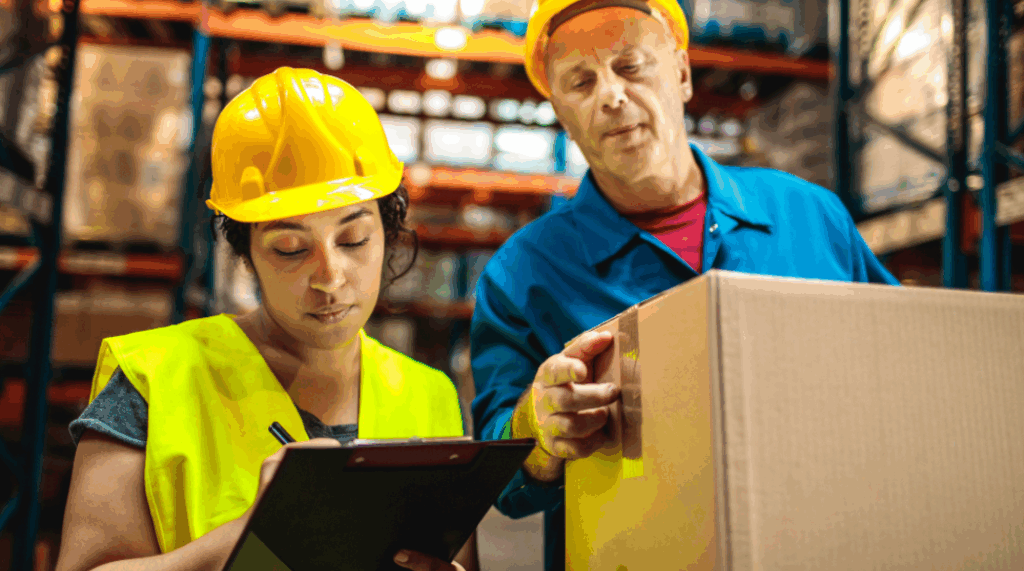
Shipping goods between Asia and Europe is at the core of modern supply chains. Choosing the right freight forwarder China to Belgium can streamline your logistics, minimize costs, and prevent customs delays. Whether you are importing machinery, electronics, textiles, or furniture, this guide explains everything you need to know: shipping methods, costs, documentation, customs clearance, and supply chain strategies.
1. Why Choose a Freight Forwarder China to Belgium?
International trade between China and Belgium involves multiple steps—booking cargo space, managing customs documentation, and handling last-mile delivery. A freight forwarder provides expertise by:
- Consolidating shipments to reduce costs
- Ensuring smooth customs clearance in both China and Belgium
- Providing accurate transit schedules
- Offering supply chain visibility with tracking
Moreover, freight forwarders act as strategic partners for businesses dealing with recurring shipments.
2. What Are the Main Shipping Methods from China to Belgium?
Your choice of transport depends on urgency, cargo volume, and budget.
Table 1: Shipping Method Comparison
| Method | Avg. Transit Time | Cost Level | Pros | Cons |
|---|---|---|---|---|
| Sea Freight (FCL/LCL) | 25–40 days | Low | Ideal for large shipments, cost-efficient | Slow, affected by port congestion |
| Air Freight | 3–7 days | High | Fast, secure, reliable | Expensive for bulky goods |
| Rail Freight | 15–20 days | Medium | Balanced option, eco-friendly | Limited capacity & schedules |
| Courier/Express | 2–5 days | Highest | Door-to-door, convenient | High cost, weight restrictions |
3. How Much Does It Cost to Ship from China to Belgium?
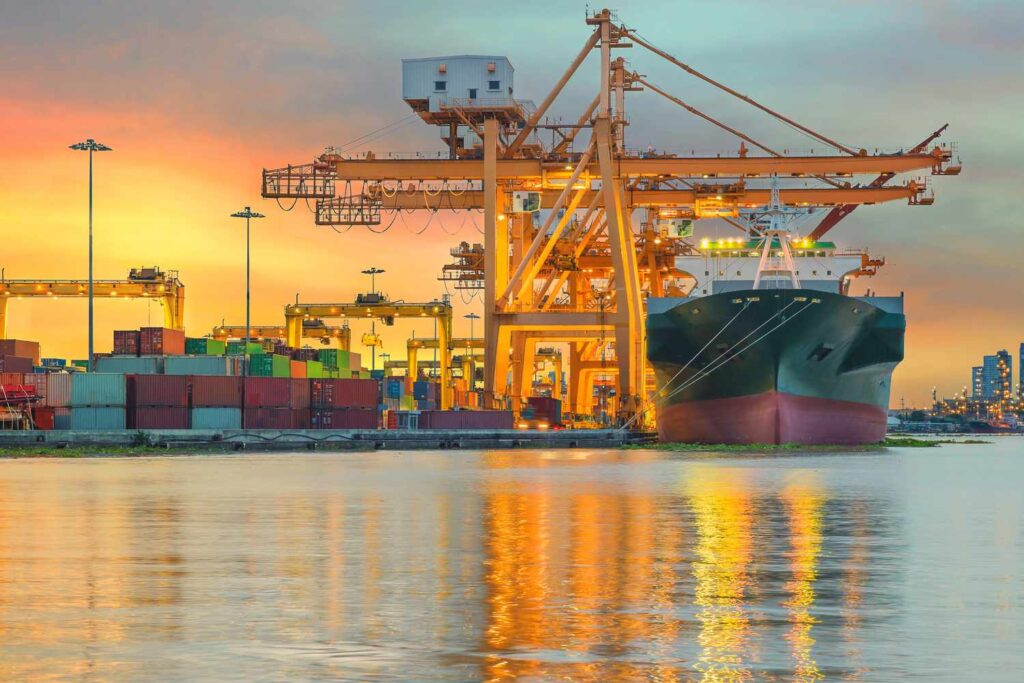
Freight costs depend on volume, shipping method, and seasonality.
Table 2: Estimated Container and Cargo Pricing
| Cargo Type | Sea Freight (20ft) | Sea Freight (40ft) | Air Freight (per kg) | Express (per kg) |
|---|---|---|---|---|
| General Goods | $1,600–$1,900 | $2,700–$3,200 | $5–$8 | $8–$12 |
| Electronics | $1,800–$2,100 | $2,900–$3,400 | $6–$9 | $10–$14 |
| Furniture | $1,500–$1,800 | $2,500–$3,000 | $4–$6 | N/A |
4. How Long Does It Take to Ship from China to Belgium?
Transit times vary by departure port in China and the shipping method.
Table 3: Transit Time by Port of Origin
| Origin Port (China) | Sea Freight Transit | Air Freight Transit | Rail Transit |
|---|---|---|---|
| Shanghai | 30–35 days | 3–5 days | 16–18 days |
| Shenzhen | 28–33 days | 3–5 days | 15–17 days |
| Ningbo | 32–36 days | 4–6 days | 17–19 days |
| Qingdao | 34–40 days | 4–7 days | 18–20 days |
5. What Documents Are Needed for Customs in Belgium?
Correct paperwork is crucial to avoid clearance delays.
Table 4: Customs Documents Checklist
| Document | Purpose |
|---|---|
| Bill of Lading / Air Waybill | Shipment proof |
| Commercial Invoice | Declares value for duty calculation |
| Packing List | Cargo details for inspection |
| Certificate of Origin | Confirms product origin |
| Import License | Authorization for restricted items |
| Customs Declaration (SAD) | Required for entry into the EU |
6. Should You Ship by FCL or LCL?
- FCL (Full Container Load): Best for large, high-volume cargo. Secure and cost-efficient per unit.
- LCL (Less than Container Load): Suitable for smaller volumes but may face delays due to consolidation.

7. How Do Customs and Duties Work in Belgium?
As part of the European Union, Belgium applies EU trade rules. Importers should expect:
- Standard VAT of 21%
- Customs duties depending on product HS code
- Additional regulations for restricted goods (chemicals, medical equipment, etc.)
8. Pros and Cons of Different Freight Modes
Table 5: Pros and Cons of Sea vs Air vs Rail
| Mode | Pros | Cons |
|---|---|---|
| Air Freight | Speed, security, reliability | High cost |
| Sea Freight | Economical for bulk cargo | Long transit |
| Rail Freight | Eco-friendly, mid-range speed | Limited capacity & access |
| Express Courier | Convenience, speed | High cost, size limits |
9. What Are the Common Goods Shipped from China to Belgium?
The Belgium market imports diverse products from China, including:
- Electronics and components
- Furniture and household goods
- Textiles and clothing
- Machinery and automotive parts
- Toys and sporting equipment
10. How Can a Freight Forwarder Optimize Your Supply Chain?
An experienced forwarder doesn’t just book space. They can:
- Consolidate shipments to reduce cost
- Manage inventory with bonded warehouses
- Provide digital shipment tracking
- Offer customs brokerage services
11. How to Reduce Freight Costs from China to Belgium?
- Ship during off-peak seasons
- Choose FCL over LCL when possible
- Use rail freight for mid-cost optimization
- Partner with a trusted freight forwarder for negotiated rates
12. Is Cargo Insurance Necessary?
Yes, cargo insurance protects against:
- Damage in transit
- Delays or loss
- Theft during shipment
It is highly recommended for valuable or fragile goods.
📦Get a Free Quote
A professional freight forwarder China to Belgium ensures your goods move efficiently, cost-effectively, and without customs issues. If you need expert logistics support, competitive rates, and tailored solutions, contact our team today for a free consultation and shipping quote.
❓ Frequently Asked Questions
1. How long does sea freight from China to Belgium take?
On average, sea freight takes 25–40 days depending on the port of origin and shipping line schedule.
2. Is air freight worth the cost for small shipments?
Yes. For urgent or high-value goods, air freight ensures speed and security, even if it costs more than sea freight.
3. Do I need a customs broker in Belgium?
Yes. A customs broker ensures accurate declarations, calculates duties, and helps avoid unnecessary clearance delays.
4. What is the cheapest shipping method from China to Belgium?
Sea freight (FCL) is the most economical for large shipments. LCL is flexible for smaller loads but slightly costlier per unit.
5. Can I ship directly to Antwerp from China?
Yes. Antwerp is one of Europe’s busiest ports and a common destination for shipments from Shanghai, Ningbo, and Shenzhen.
Conclusion
Partnering with a reliable freight forwarder China to Belgium is essential for businesses importing goods into Europe. Whether you choose sea freight for bulk cargo, air freight for urgent shipments, or rail for balance, the right forwarder ensures smooth operations. With expert customs clearance, optimized costs, and on-time delivery, your supply chain will stay competitive and efficient.