

Working with a reliable freight forwarder China to Italy is crucial for importers looking to streamline shipping. Without professional guidance, businesses face delays, unexpected costs, and customs risks. However, experienced Chinese freight forwarders simplify sea freight, air freight, courier, and rail logistics, ensuring cargo reaches Italy efficiently.
Why Do You Need a Freight Forwarder from China to Italy?
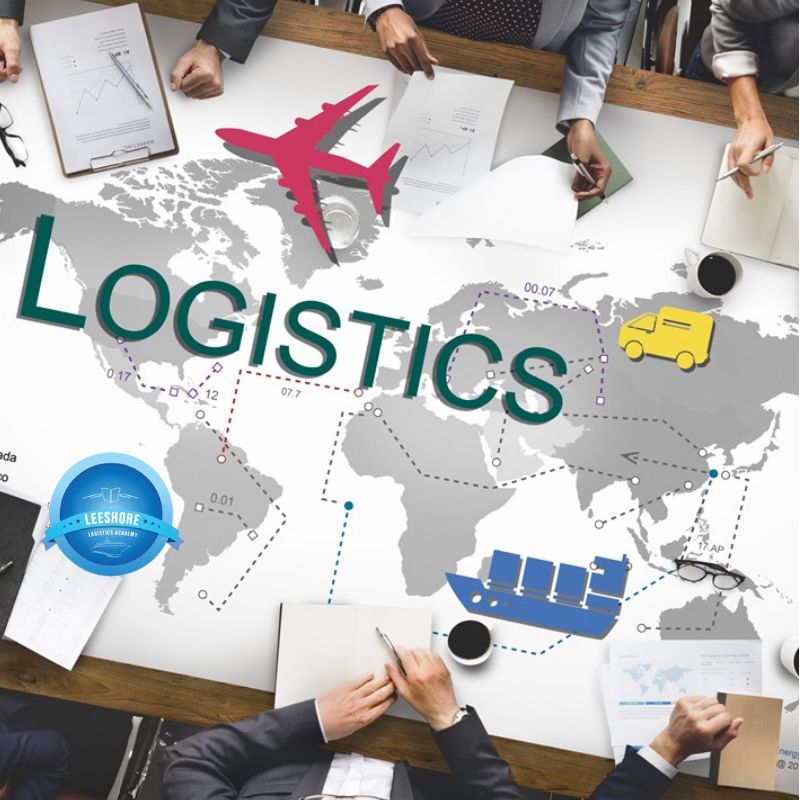
International logistics involves multiple steps, including factory pickup, customs clearance, carrier booking, and last-mile delivery. Moreover, freight forwarders act as intermediaries, negotiating with carriers while ensuring compliance with Italian and EU import laws.
What Shipping Options Are Available for China–Italy Trade?
| Shipping Method | Average Cost | Transit Time | Best For | Advantages | Disadvantages |
|---|---|---|---|---|---|
| Courier Express | $8–$12/kg | 3–6 days | Small parcels, e-commerce | Speed, door-to-door | Expensive |
| Air Freight | $4–$7/kg | 5–10 days | Urgent cargo, electronics | Reliable, fast | High cost |
| LCL (Sea Freight) | $55–$75/CBM | 25–35 days | SMEs, mixed cargo | Affordable | Slower |
| FCL (20ft/40ft) | $1,300–$2,500 | 28–38 days | Bulk loads | Economical | Requires volume |
| Rail Freight | $2,200–$3,400 | 18–25 days | EU-bound cargo | Balanced speed & cost | Limited routes |
How Long Does Shipping Take from China to Italy?
| Origin Port in China | Destination Port in Italy | Sea Freight Transit Time | Rail Freight Transit Time |
|---|---|---|---|
| Shanghai | Genoa | 28–35 days | 20–22 days |
| Ningbo | Venice | 30–36 days | 18–25 days |
| Shenzhen | Trieste | 27–33 days | 19–24 days |
| Qingdao | Naples | 30–38 days | N/A |
What are you waiting for?
Contact TJ China Freight for a fast, free quote.
Are you ready to book?
Access live instant freight quotes
Which Documents Are Needed for Customs Clearance?
| Document | Purpose |
|---|---|
| Bill of Lading | Proof of cargo ownership |
| Commercial Invoice | Declares value of goods |
| Packing List | Lists packages and details |
| Certificate of Origin | Determines applicable tariffs |
| Import Licenses | Required for restricted items |
| Insurance Certificate | Coverage for loss/damage |
How Do Freight Forwarders Reduce Shipping Costs?
- Consolidation services for LCL cargo.
- Negotiated rates with shipping lines and airlines.
- Optimized routing via cost-effective ports like Genoa and Trieste.
- Seasonal planning to avoid peak season surcharges.
- Door-to-door DDP services to eliminate hidden customs fees.
Should You Choose Air or Sea Freight for China–Italy Trade?
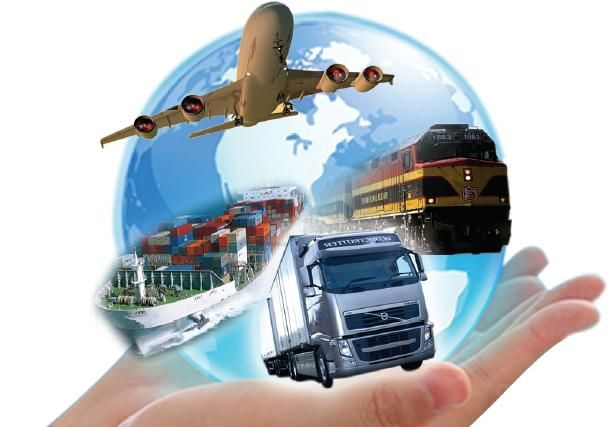
| Factor | Air Freight | Sea Freight |
|---|---|---|
| Cost | Higher per kg | Lower per unit |
| Transit Time | 5–10 days | 28–38 days |
| Cargo Size | 50–500 kg | 5 CBM+ |
| Reliability | Very high | High |
| Best For | Electronics, urgent goods | Furniture, bulk items |
Why Rail Freight Is Gaining Popularity for China–Italy Shipping
The China–Europe rail network offers an attractive alternative. Trains reach Milan, Bologna, and Verona via transcontinental corridors, providing 18–25 day transit times, balancing speed and affordability. Moreover, rail produces fewer carbon emissions compared to air freight.
How to Select the Best Freight Forwarder for China–Italy
| Pros | Cons |
|---|---|
| Handles customs documentation | Service quality varies |
| Access to discounted carrier rates | Additional handling fees |
| Multimodal options (sea, air, rail) | Requires vetting |
| Door-to-door services | Dependence on forwarder’s network |
| Consolidation for SMEs | Risk of delays if poorly managed |
What Industries Rely Most on China–Italy Freight Forwarders?
- Fashion & Apparel – Italy’s textile industry imports fabrics from China.
- Machinery & Electronics – Italian manufacturers source parts from Shenzhen.
- Furniture & Home Decor – Bulk shipping by sea is cost-effective.
- E-commerce – Courier and air freight for fast-moving goods.
- Automotive Parts – Rail freight supports supply chain continuity.
How Can SMEs Benefit from Freight Forwarders?
Small businesses often lack the resources to negotiate directly with carriers. Freight forwarders provide:
- LCL consolidation for smaller volumes.
- Warehousing near Chinese ports.
- Customs clearance assistance in Italy.
- Door-to-door delivery for e-commerce fulfillment.
Final Thoughts
Choosing a professional freight forwarder China to Italy ensures smooth logistics, transparent pricing, and faster customs clearance. With expertise in sea freight, air freight, rail transport, and courier services, forwarders help businesses minimize risks while optimizing costs. Moreover, their ability to provide door-to-door solutions, document preparation, and warehousing makes them essential for companies of all sizes. By working with a trusted forwarder, importers can strengthen their supply chain and expand confidently into Italian markets.
FAQ
1. Do freight forwarders provide insurance for China–Italy shipments?
Yes. Most offer cargo insurance, covering theft, damage, or loss, which is essential for high-value cargo like electronics and textiles.
2. Can forwarders handle Amazon FBA delivery in Italy?
Yes. Many forwarders specialize in e-commerce logistics, delivering goods directly to Amazon fulfillment centers in Milan and Rome.
3. Are import duties included in freight forwarder quotes?
No. Duties and VAT are calculated separately, but forwarders assist importers in estimating costs and preparing customs documents.
4. Can a forwarder arrange both sea and air shipments simultaneously?
Yes. Multimodal freight forwarders can book sea freight for bulk cargo while using air freight for urgent portions of the shipment.
5. Do forwarders help with warehousing in Italy?
Yes. Some offer bonded warehouses in Genoa, Milan, and Trieste, allowing importers to store goods before distribution.
6. How do SMEs save money using forwarders?
By consolidating LCL shipments, avoiding peak-season surcharges, and selecting optimal shipping routes, SMEs significantly reduce per-unit logistics costs.