

- By kelly
- September 16, 2025
- Uncategorized
Freight Forwarder China to New Zealand: Complete Guide to Costs, Transit & Customs
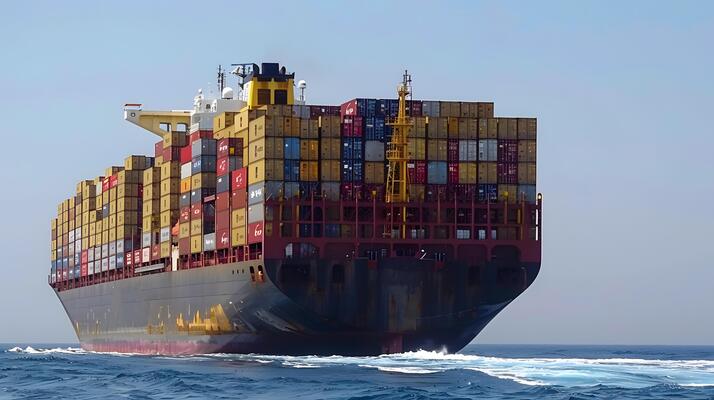
International shipping can be challenging without the right partner. Choosing a trusted freight forwarder China to New Zealand ensures your cargo is transported efficiently, whether by sea freight or air freight. A reliable forwarder helps you cut costs, avoid customs delays, and streamline your supply chain, making trade between China and New Zealand more predictable.
1. Why Work with a Freight Forwarder for China–New Zealand Trade?
Shipping directly may sound straightforward, but in practice, it involves:
- Navigating customs regulations.
- Managing shipping costs and delivery schedules.
- Handling import/export documentation.
- Selecting the best transport routes.
Moreover, a freight forwarder provides flexible solutions such as door-to-door delivery, customs brokerage, and cargo insurance, making your logistics operations seamless.
2. What Shipping Methods Are Available from China to New Zealand?
Importers can choose different shipping methods depending on urgency and budget:
| Shipping Method | Average Cost | Transit Time | Pros | Cons |
|---|---|---|---|---|
| Sea Freight (FCL) | USD 2,200–2,900 per 20ft | 18–25 days | Cost-effective for large cargo | Slower transit |
| Sea Freight (LCL) | USD 150–200 per CBM | 20–28 days | Flexible for small loads | Longer customs clearance |
| Air Freight | USD 6–10 per kg | 3–6 days | Fast and reliable | Expensive |
| Courier (DHL/UPS/FedEx) | USD 15–20 per kg | 3–5 days | Door-to-door service | High cost for bulk |
3. How Much Does It Cost to Ship from China to New Zealand?
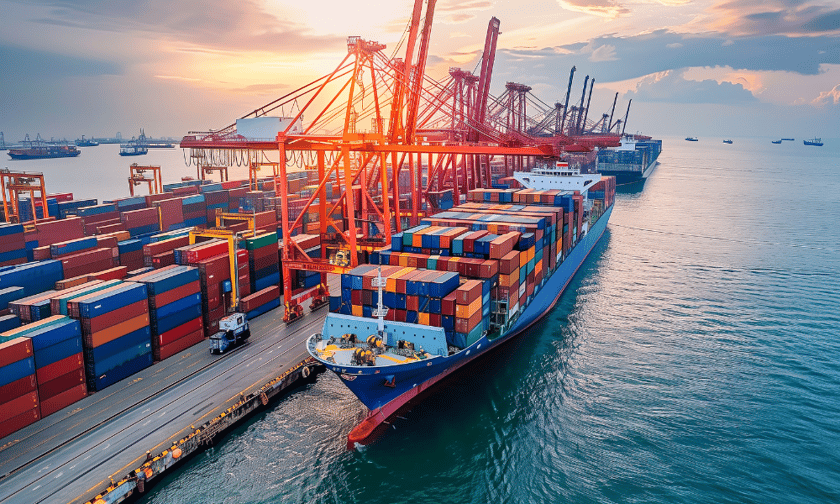
Shipping costs depend on cargo size, method, and port of origin. Below is an overview:
| Container Type | Cost Estimate | Best For |
|---|---|---|
| 20ft FCL | USD 2,200–2,900 | Smaller bulk shipments |
| 40ft FCL | USD 3,800–4,800 | Larger volume cargo |
| LCL (per CBM) | USD 150–200 | Mixed, small shipments |
| Air Freight (per kg) | USD 6–10 | Urgent goods |
4. What Is the Transit Time from China to New Zealand?
Transit time varies by port and method:
| Origin Port (China) | Destination (NZ) | Sea Transit | Air Transit |
|---|---|---|---|
| Shanghai | Auckland | 18–22 days | 3–5 days |
| Shenzhen | Wellington | 20–25 days | 3–5 days |
| Ningbo | Christchurch | 19–24 days | 4–6 days |
| Qingdao | Auckland | 22–28 days | 4–6 days |
5. Should You Choose FCL or LCL?
- FCL (Full Container Load): Suitable for large shipments (15+ CBM). Offers faster handling, better security, and lower per-unit costs.
- LCL (Less than Container Load): Ideal for small shipments. Cost-effective but requires more handling and longer customs processes.
| Option | Ideal Cargo | Benefits | Limitations |
|---|---|---|---|
| FCL | Large shipments | Exclusive use, faster clearance | Higher upfront cost |
| LCL | Small shipments | Cost-sharing, flexibility | Longer transit |
6. What Documents Are Required for Customs Clearance in New Zealand?
Accurate documents are essential for smooth customs clearance:
| Document | Purpose |
|---|---|
| Bill of Lading / Air Waybill | Proof of shipment |
| Commercial Invoice | Declares cargo value |
| Packing List | Cargo details |
| Certificate of Origin | Confirms product origin |
| Import Declaration | Submitted to NZ Customs Service |
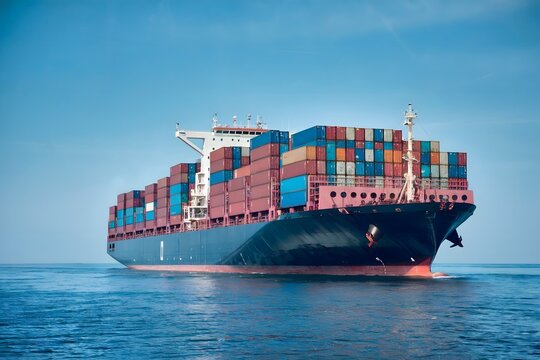
7. What Are the Main Ports in New Zealand for Imports?
- Auckland Port – Handles most container cargo.
- Wellington Port – Central hub for coastal and international trade.
- Christchurch (Lyttelton) – Key for South Island imports.
- Tauranga – One of the fastest-growing ports, efficient for FCL.
8. Sea Freight vs. Air Freight: Which Is Better?
| Factor | Sea Freight | Air Freight |
|---|---|---|
| Cost | Low | High |
| Speed | 18–28 days | 3–6 days |
| Cargo Capacity | High volumes | Limited |
| Reliability | Weather-dependent | Very reliable |
| Best For | Heavy cargo | Urgent shipments |
9. Can Freight Forwarders Offer Door-to-Door Services?
Yes, many forwarders offer DDP (Delivered Duty Paid) and DAP (Delivered at Place) services, which cover:
- Factory pickup in China.
- Export clearance.
- Shipping by sea or air.
- Import clearance in New Zealand.
- Final delivery to your warehouse.
10. How Do You Choose the Best Freight Forwarder China to New Zealand?
When selecting a forwarder, consider:
- Experience with NZ–China trade.
- Competitive rates with clear breakdowns.
- Network coverage across both countries.
- Customer support with real-time updates.
- Flexibility to handle different Incoterms.
11. How Can You Reduce Shipping Costs to New Zealand?
- Consolidate shipments for LCL.
- Choose FCL if cargo nearly fills a container.
- Ship during off-peak months to avoid high rates.
- Use experienced forwarders for faster customs clearance.
- Negotiate long-term contracts for better pricing.
📦Get a Free Quote
Looking for a reliable freight forwarder China to New Zealand? Our team offers competitive rates, efficient transit, and end-to-end logistics solutions. Get in touch today to request a tailored shipping quote and optimize your supply chain.
❓ Frequently Asked Questions
Q1: What is the cheapest way to ship from China to New Zealand?
Sea freight is the cheapest method, especially FCL for large cargo. LCL works best for smaller, cost-sensitive shipments
Q2: How long does customs clearance take in New Zealand?
Clearance usually takes 1–3 days if documentation is accurate. However, inspections or delays in paperwork can extend the process.
Q3: Can I ship personal goods from China to New Zealand?
Yes, personal shipments are allowed. You’ll need detailed packing lists and may face import restrictions on certain goods.
Q4: Do I need an import license to ship to New Zealand?
Most general cargo doesn’t need a license, but restricted items such as chemicals, medicines, or food products may require permits.
Q5: How do freight forwarders calculate shipping rates?
Rates depend on cargo size (CBM), weight, transport method, and destination port. Quotes also include customs and handling fees.
Conclusion
Choosing an experienced freight forwarder China to New Zealand simplifies the entire shipping process, from factory pickup to delivery at your warehouse. By understanding the costs, transit times, and customs requirements, businesses can avoid unnecessary risks and delays. Partnering with the right forwarder ensures efficiency, reliability, and long-term supply chain success.