

Shipping goods between Asia’s busiest trade partners can be complex without professional help. Partnering with a reliable freight forwarder China to Philippines ensures smooth customs clearance, optimized costs, and timely deliveries. Expert forwarders manage sea freight, air freight, courier services, and even door-to-door solutions, simplifying logistics for importers across the Philippines.
1. What Does a Freight Forwarder from China to the Philippines Do?
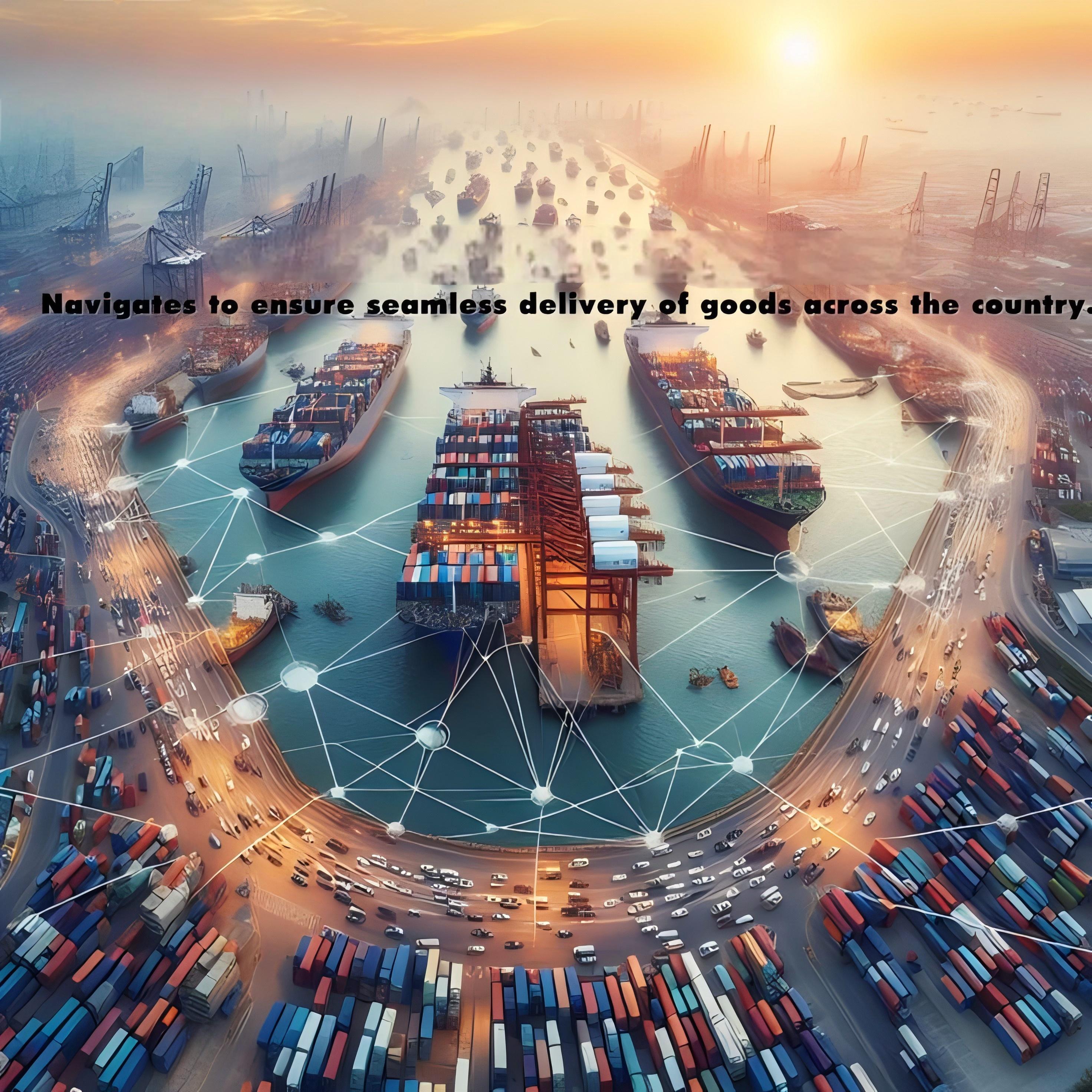
A freight forwarder acts as a logistics partner connecting shippers with carriers. Their key roles include:
- Negotiating carrier rates
- Managing export and import documentation
- Coordinating customs clearance
- Offering warehouse and consolidation services
- Providing door-to-door delivery
Moreover, they help businesses reduce risks of delays, penalties, and unexpected costs.
2. Why Choose Sea Freight for Bulk Cargo?
Sea freight is the most common option for high-volume shipments.
- Affordable for bulk goods
- Flexible FCL (full container) and LCL (shared container) options
- Reliable schedules between Chinese and Philippine ports
- Slower compared to air freight
- Possible port congestion delays
3. How Much Does It Cost to Ship from China to the Philippines?
Costs vary by method, cargo type, and urgency.
| Shipping Method | Typical Cost | Transit Time | Pros | Cons |
|---|---|---|---|---|
| Air Freight | $5 – $8/kg | 3 – 6 days | Fast, reliable | Expensive, weight limits |
| Sea Freight (FCL 20ft) | $1,200 – $1,800 | 8 – 12 days | Economical for bulk | Slower than air |
| Sea Freight (LCL) | $60 – $80/CBM | 10 – 14 days | Cost-effective for small loads | Consolidation delays |
| Express Courier | $7 – $12/kg | 2 – 4 days | Door-to-door, fastest | Costly for heavy cargo |
What are you waiting for?
Contact TJ China Freight for a fast, free quote.
Are you ready to book?
Access live instant freight quotes
4. How Fast Is Air Freight from China to the Philippines?
Air freight offers unmatched speed for urgent cargo like electronics, perishables, or fashion items.
| Route | Average Transit Time |
|---|---|
| Shanghai – Manila | 3–4 days |
| Shenzhen – Cebu | 4–5 days |
| Guangzhou – Davao | 5–6 days |
5. What Customs Documents Are Required?
Accurate documentation avoids delays.
| Document | Purpose |
|---|---|
| Bill of Lading / Air Waybill | Transport contract and proof of shipment |
| Commercial Invoice | Used for customs valuation |
| Packing List | Details cargo contents, weight, and dimensions |
| Import Permit (if required) | For regulated goods like food, chemicals |
| Certificate of Origin | Confirms manufacturing country |
6. Should You Choose FCL or LCL?
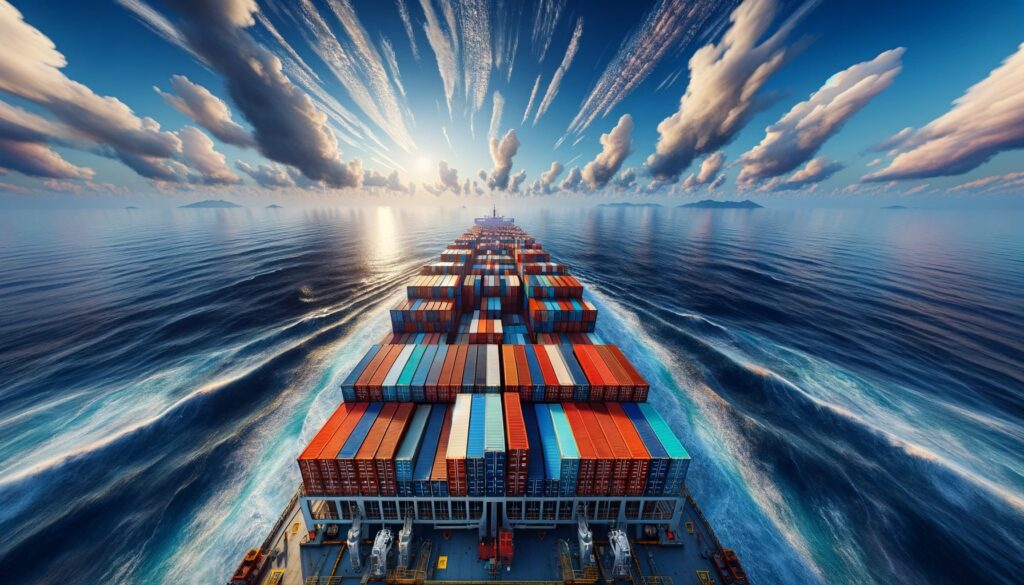
- FCL (Full Container Load): Cost-effective per unit, more secure, ideal for high volumes.
- LCL (Less than Container Load): Perfect for small shipments, but may face delays due to consolidation.
7. What Are the Pros and Cons of Different Shipping Methods?
| Method | Pros | Cons |
|---|---|---|
| Air Freight | Fastest, reliable schedules | High cost, limited cargo |
| Sea Freight | Cheapest for bulk | Long transit, port delays |
| Courier | Convenient, door-to-door | Expensive for large shipments |
| Rail Freight | Limited use for Philippines | Not widely available |
8. How Do Customs and Duties Impact Costs?
Philippine customs duties are based on HS codes and cargo value. Freight forwarders assist by:
- Filing import declarations
- Paying duties and taxes on behalf of shippers
- Ensuring compliance with Bureau of Customs regulations
9. Can Freight Forwarders Handle Door-to-Door Shipping?
Yes, many forwarders offer DDP (Delivered Duty Paid) and DAP (Delivered at Place) services, managing:
- Supplier pickup in China
- Export clearance
- Import customs in the Philippines
- Final delivery to warehouse or retail store
10. What Are the Latest Trends in China–Philippines Freight Shipping?
- Growing demand for e-commerce logistics and small parcel shipping.
- Increased digitalization of customs clearance and tracking.
- Rising interest in eco-friendly shipping solutions.
- Expansion of port infrastructure in Manila and Cebu.
Final Thoughts
Choosing the right freight forwarder China to Philippines is essential for cost efficiency, speed, and reliability. Whether you ship bulk via sea freight, urgent goods via air freight, or small parcels via courier, professional forwarders simplify customs, provide transparency, and ensure on-time delivery. Ultimately, a strong logistics partner strengthens your business competitiveness in the Philippine market.
FAQ
Q1: How do I choose the best freight forwarder from China to the Philippines?
Look for experience, transparent pricing, customs expertise, multiple shipping options, and reliable customer support to ensure smooth logistics and timely deliveries.
Q2: What’s the best way to ship fragile goods from China to the Philippines?
Use air freight or LCL with protective packaging, request fragile handling, and add insurance. Forwarders ensure secure loading and careful cargo management throughout transit.
Q3: Can a freight forwarder help me reduce shipping costs?
Yes, forwarders consolidate shipments, negotiate bulk rates, recommend optimal routes, and advise on FCL versus LCL to lower overall import expenses effectively.
Q4: Do I need a business license to import goods into the Philippines?
Most commercial shipments require a registered business and import clearance. However, small parcels or samples may enter with simplified procedures depending on cargo value.
Q5: How can I speed up customs clearance in the Philippines?
Prepare accurate documents, classify goods correctly, pay duties promptly, and partner with a forwarder who has established contacts with customs authorities.