

Freight Forwarder China to Thailand: Your Ultimate Shipping Guide
“Shipping goods from China to Thailand involves complex logistics. Finding a reliable freight forwarder China to Thailand is crucial for ensuring your cargo arrives safely and on time. This comprehensive guide will navigate the intricacies of international shipping, offering insights into methods, costs, and essential considerations. We aim to simplify your import process, providing valuable information for a smooth supply chain.”

Why Choose a Specialized Freight Forwarder for China-Thailand?
❖Navigating international shipping regulations and logistics can be daunting. Therefore, partnering with an experienced freight forwarder China to Thailand simplifies the entire process. They possess the local knowledge and global network essential for smooth operations.
Furthermore, a specialized forwarder understands the specific trade routes and customs procedures between these two countries. This expertise minimizes potential delays and costly errors, ensuring your goods reach their destination efficiently.
Moreover, they offer end-to-end supply chain management, from origin pick-up to final delivery. Consequently, this integrated approach provides greater visibility and control over your shipments, reducing stress and saving valuable time.
Understanding Your Shipping Options from China to Thailand
❖When planning your shipment, selecting the right transportation method is paramount. Each option offers distinct advantages concerning cost, speed, and cargo suitability. Consider your budget and urgency carefully before making a decision.
Ultimately, the choice depends on your specific business needs and the nature of your goods. A reliable freight forwarder can help you evaluate these options effectively.
| Shipping Method | Cost Level | Transit Time (Avg.) | Best For | Limitations |
|---|---|---|---|---|
| Sea Freight (FCL) | Low | 15-25 days | Large volumes, heavy goods, non-urgent | Slow, potential port delays |
| Sea Freight (LCL) | Medium-Low | 20-30 days | Smaller volumes, cost-sensitive | Longer transit, more handling |
| Air Freight | High | 3-7 days | Time-sensitive, high-value, perishable | High cost, volume restrictions |
| Express Shipping | Very High | 1-4 days | Small parcels, urgent documents, samples | Highest cost, weight/size limits |

Sea Freight: The Most Economical Choice
Undoubtedly, sea freight remains the most popular and cost-effective option for large volumes or heavy cargo. It is ideal for non-urgent shipments, offering significant savings compared to air transport. Major ports in China like Shanghai, Shenzhen, and Ningbo connect to Bangkok’s Laem Chabang Port.
You can choose between Full Container Load (FCL) for exclusive container use or Less than Container Load (LCL) for smaller shipments sharing space. Transit times typically range from 15 to 25 days, depending on the specific origin and destination ports, as well as the service route.
Air Freight: For Speed and High-Value Goods
Conversely, air freight is the fastest method, perfect for time-sensitive, high-value, or perishable goods. While considerably more expensive than sea freight, it drastically reduces transit times to 3-7 days. Key Chinese airports include Shanghai Pudong, Guangzhou Baiyun, and Beijing Capital, flying into Bangkok’s Suvarnabhumi Airport.
This service is often used for e-commerce, electronics, or urgent manufacturing components. Furthermore, air freight offers enhanced security and reliability, albeit at a premium cost. Always weigh the speed benefits against the increased shipping costs.
Express Shipping: Door-to-Door Convenience
For small packages and urgent documents, express service provides unparalleled speed and convenience. Companies like DHL, FedEx, and UPS offer expedited door-to-door delivery, often within 1-4 business days. This premium service includes tracking and streamlined customs processing.
Although it is the most expensive per kilogram, express shipping is invaluable for samples, prototypes, or critical spare parts. It simplifies the shipping process significantly, making it ideal for businesses requiring quick turnaround times.
Key Factors Influencing Your Freight Costs and Transit Times
❖Several critical elements dictate the final cost and delivery schedule of your shipment. Understanding these factors helps in accurate budgeting and logistics planning. In addition, market conditions can significantly impact rates.
First, the volume and weight of your cargo are primary determinants. Larger, heavier shipments naturally incur higher costs. Moreover, the chosen Incoterms (International Commercial Terms) define who is responsible for costs and risks at various stages of the journey. For instance, FOB (Free On Board) and EXW (Ex Works) involve different responsibilities.
Furthermore, seasonal demand and global events can cause significant fluctuations in freight rates. For example, peak seasons like Chinese New Year or holiday shopping surges often lead to increased prices and longer transit times. Fuel surcharges and port congestion also play a role in the overall expense.
Finally, customs duties, taxes, and import regulations in Thailand will add to the total landed cost. It is essential to factor in these governmental charges when calculating your overall budget. Customs brokerage services can help navigate these complexities.
Navigating Customs and Documentation for China-Thailand Shipments
❖Successful international shipping relies heavily on precise documentation and adherence to customs regulations. Any discrepancies can lead to delays, fines, or even seizure of goods. Therefore, meticulous preparation is key.
Crucially, a commercial invoice, packing list, and bill of lading (for sea freight) or air waybill (for air freight) are universally required. Additionally, a Certificate of Origin may be necessary to claim preferential tariffs under free trade agreements. Ensuring all documents are accurate and complete is paramount for smooth customs clearance China Thailand.
Thailand has specific import regulations, including requirements for product labeling, quality standards, and sometimes import licenses for certain goods. Correctly classifying your goods using Harmonized System (HS) codes is vital for determining applicable duties and taxes. Consulting with a professional freight forwarder China to Thailand can prevent common pitfalls.
Real-World Scenarios: Shipping from China to Thailand
❖These case studies illustrate practical shipping solutions and outcomes for various cargo types and business needs. They highlight how different methods and strategies can impact cost and transit time. These examples are based on typical rates as of early 2025.
Case Study 1: E-commerce Apparel via LCL Sea Freight
| Detail | Description |
|---|---|
| Route | Guangzhou, China -> Bangkok, Thailand |
| Cargo | Fashion apparel (textiles), 8 CBM, 1,200 kg |
| Container | LCL 8 CBM |
| Shipping Details | Carrier: Major carrier, Port of Loading: Nansha, Port of Discharge: Laem Chabang, Route Type: Direct |
| Cost Breakdown | Ocean Freight: $480, Origin Charges: $150, Destination Charges: $200, Customs & Duties (est): $180, Total Landed Cost: $1,010 |
| Timeline | Booking to Loading: 5 days, Sea Transit: 18 days, Customs Clearance: 3 days, Total Door-to-Door: 26 days |
| Key Insight | LCL was cost-effective for this medium-sized shipment, balancing budget with reasonable transit for e-commerce. A small delay occurred due to port congestion at Laem Chabang. |
Case Study 2: Industrial Machinery via FCL Sea Freight
| Detail | Description |
|---|---|
| Route | Shanghai, China -> Rayong, Thailand |
| Cargo | Manufacturing equipment, 25 CBM, 15,000 kg |
| Container | 20GP |
| Shipping Details | Carrier: COSCO, Port of Loading: Shanghai, Port of Discharge: Laem Chabang, Route Type: Direct |
| Cost Breakdown | Ocean Freight: $1,200, Origin Charges: $350, Destination Charges: $450, Customs & Duties (est): $700, Total Landed Cost: $2,700 |
| Timeline | Booking to Loading: 7 days, Sea Transit: 16 days, Customs Clearance: 4 days, Total Door-to-Door: 27 days |
| Key Insight | FCL provided dedicated space and better security for high-value machinery. Pre-clearance of customs documents expedited the process upon arrival in Thailand. |
Case Study 3: Urgent Electronics via Air Freight
| Detail | Description |
|---|---|
| Route | Shenzhen, China -> Bangkok, Thailand |
| Cargo | High-value electronic components, 1.5 CBM, 250 kg |
| Container | Air Cargo (Standard) |
| Shipping Details | Carrier: Cathay Pacific Cargo, Airport of Origin: Shenzhen Bao’an, Airport of Destination: Suvarnabhumi Airport, Route Type: Direct |
| Cost Breakdown | Air Freight: $1,100, Origin Charges: $120, Destination Charges: $80, Customs & Duties (est): $200, Total Landed Cost: $1,500 |
| Timeline | Booking to Loading: 2 days, Air Transit: 1 day, Customs Clearance: 1 day, Total Door-to-Door: 4 days |
| Key Insight | Air freight was selected due to the urgent nature and high value of the electronics. The fast transit time minimized production downtime for the recipient. Rates were slightly higher due to Q4 peak season demand. |
How Does Sea Freight Compare to Other Shipping Options?
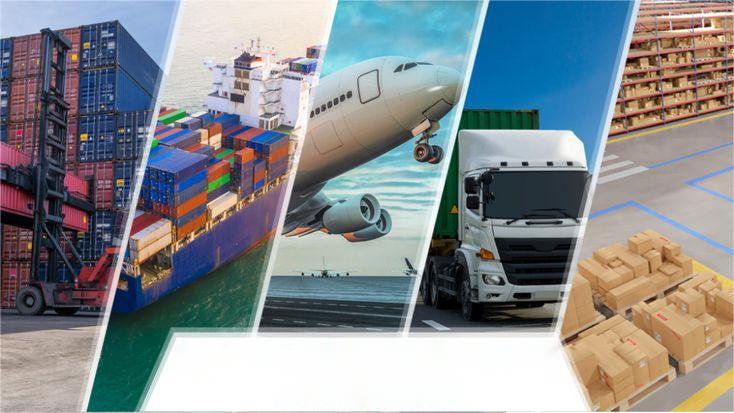
❖Comparing different shipping methods is essential for making informed decisions tailored to your business needs. While sea freight is often the default for cost-effectiveness, other options offer distinct advantages.
For instance, air freight drastically reduces transit times, making it suitable for urgent or high-value shipments. Conversely, express services provide unparalleled speed for smaller parcels. Understanding these trade-offs is crucial for optimizing your supply chain.
Market data suggests that as of Q1 2025, sea freight rates from China to Thailand have remained relatively stable, whereas air freight can be more volatile due to fuel surcharges and capacity issues. Always consider current market conditions.
| Shipping Method | Cost Range | Transit Time | Best For | Limitations |
|---|---|---|---|---|
| Sea Freight (FCL) | $1,000 – $2,500 (per 20GP) | 15-25 days | Bulk goods, large volumes, heavy items | Slow, susceptible to port delays |
| Sea Freight (LCL) | $50 – $100 (per CBM) | 20-30 days | Smaller shipments (under 15 CBM), budget-conscious | Longer consolidation time, more handling |
| Air Freight | $3 – $8 (per kg) | 3-7 days | Urgent goods, high-value items, perishables | High cost, limited volume/weight |
| Express Shipping | $8 – $15 (per kg) | 1-4 days | Documents, samples, small e-commerce parcels | Very high cost, strict size/weight limits |
Which Shipping Option Should You Choose for Your Business?
❖Deciding on the optimal shipping method requires a clear understanding of your priorities. Consider your budget, the urgency of your shipment, and the nature of your cargo. Each factor plays a significant role in the decision-making process.
If budget is your primary concern, sea freight, especially LCL for smaller volumes or FCL for larger ones, is generally the most economical choice. However, be prepared for longer transit times. For shipments under 15 CBM, LCL at $50-80/CBM may be more economical than a full container.
Conversely, if speed is paramount, air freight or express shipping is the clear winner. This is ideal for time-sensitive deliveries or high-value goods where delays mean significant financial loss. A hybrid solution like sea-air might offer a balance for some scenarios, combining ocean transit to a regional hub followed by air freight.
Finally, the type of cargo also dictates the best method. Perishables, hazardous materials, or fragile items may require specialized handling or faster transit. A reliable freight forwarder China to Thailand can provide tailored door-to-door solutions, guiding you through this selection. Note: Freight rates are subject to change based on fuel costs, carrier capacity, and seasonal demand. Contact us for a current quote tailored to your specific shipment.
Optimizing Your Supply Chain with a Reliable Freight Forwarder
❖A strong partnership with a proficient freight forwarder can significantly enhance your supply chain efficiency. They offer expertise beyond just transportation, including warehousing, distribution, and inventory management. Consequently, this holistic approach streamlines your operations.
Furthermore, modern freight forwarders leverage advanced technology for real-time tracking and communication. This transparency allows you to monitor your cargo’s journey and anticipate delivery schedules accurately. Such capabilities are invaluable for maintaining tight delivery schedules.
Ultimately, choosing the right freight forwarder China to Thailand means more than just moving goods. It means gaining a strategic partner who can adapt to logistics trends, mitigate risks, and provide cost-saving strategies. This collaboration fosters long-term business growth and reliability.
Partnering with China Top Freight for Your Thailand Shipments
❖At China Top Freight, we specialize in providing comprehensive and reliable shipping solutions from China to Thailand. Our extensive network and experienced team ensure seamless logistics for all your cargo needs. We are committed to transparency and efficiency.
We offer tailored services, including sea freight, air freight, customs clearance, and door-to-door delivery. Whether you’re an e-commerce business or a large enterprise, we have the expertise to optimize your supply chain. Trust us to be your dedicated freight forwarder China to Thailand.
Conclusion: Your Trusted Freight Forwarder China to Thailand
Selecting the right freight forwarder China to Thailand is a critical decision for any business involved in international trade. Moreover, understanding the various shipping methods, cost factors, and customs requirements is essential for a successful supply chain. By carefully considering your specific needs, you can optimize both efficiency and cost.
Ultimately, a professional freight forwarder provides invaluable expertise, ensuring your goods arrive safely and on schedule. Partnering with a knowledgeable logistics provider like China Top Freight simplifies complexities and fosters reliable trade routes. This strategic alliance ensures your business thrives in the competitive global market.
Ready to streamline your logistics?
Ready to streamline your shipping from China to Thailand? Contact China Top Freight today for a personalized quote and expert guidance. Our team is prepared to assist you with all your logistics requirements, ensuring a smooth and efficient shipping experience.
Request Quote