

Freight Forwarder from China to Nigeria: Your Ultimate Guide
“Shipping from China to Nigeria presents unique opportunities and challenges for businesses. Finding a reliable freight forwarder from China to Nigeria is crucial for ensuring your goods arrive safely and efficiently. This comprehensive guide explores everything you need to know about navigating the complexities of international logistics, from choosing the right shipping method to understanding customs procedures.”

Why Choose a Dedicated Freight Forwarder for China-Nigeria Shipments?
❖Navigating international shipping, especially between China and Nigeria, involves numerous intricate steps. A professional freight forwarder acts as your logistics partner, streamlining the entire process. They possess the expertise to handle diverse cargo types and manage complex trade regulations.
Furthermore, a reliable freight forwarder mitigates risks such as delays, damages, and customs issues. They offer invaluable peace of mind, allowing you to focus on your core business operations. Consequently, engaging an experienced partner ensures a smoother, more predictable supply chain for your imports from China to Nigeria.
Key Shipping Methods from China to Nigeria
❖When importing goods from China to Nigeria, selecting the appropriate shipping method is paramount. Each option offers distinct advantages concerning cost, speed, and cargo capacity. Understanding these differences is vital for making an informed decision that aligns with your business needs.
Consider your budget, the urgency of your shipment, and the nature of your goods before committing to a specific transport mode. Moreover, your chosen freight forwarder can advise on the most cost-effective and efficient solution for your particular cargo.
| Shipping Method | Cost (Relative) | Transit Time (Avg.) | Best For | Limitations |
|---|---|---|---|---|
| Sea Freight (FCL/LCL) | Low | 35-50 days | Large volumes, heavy goods, non-urgent | Slowest, potential port delays |
| Air Freight | Medium-High | 5-10 days | High-value, time-sensitive, smaller shipments | Higher cost, weight/size restrictions |
| Express Service | High | 3-7 days | Documents, samples, urgent small parcels | Highest cost, strict size/weight limits |
Sea Freight: The Economical Choice for Bulk Cargo
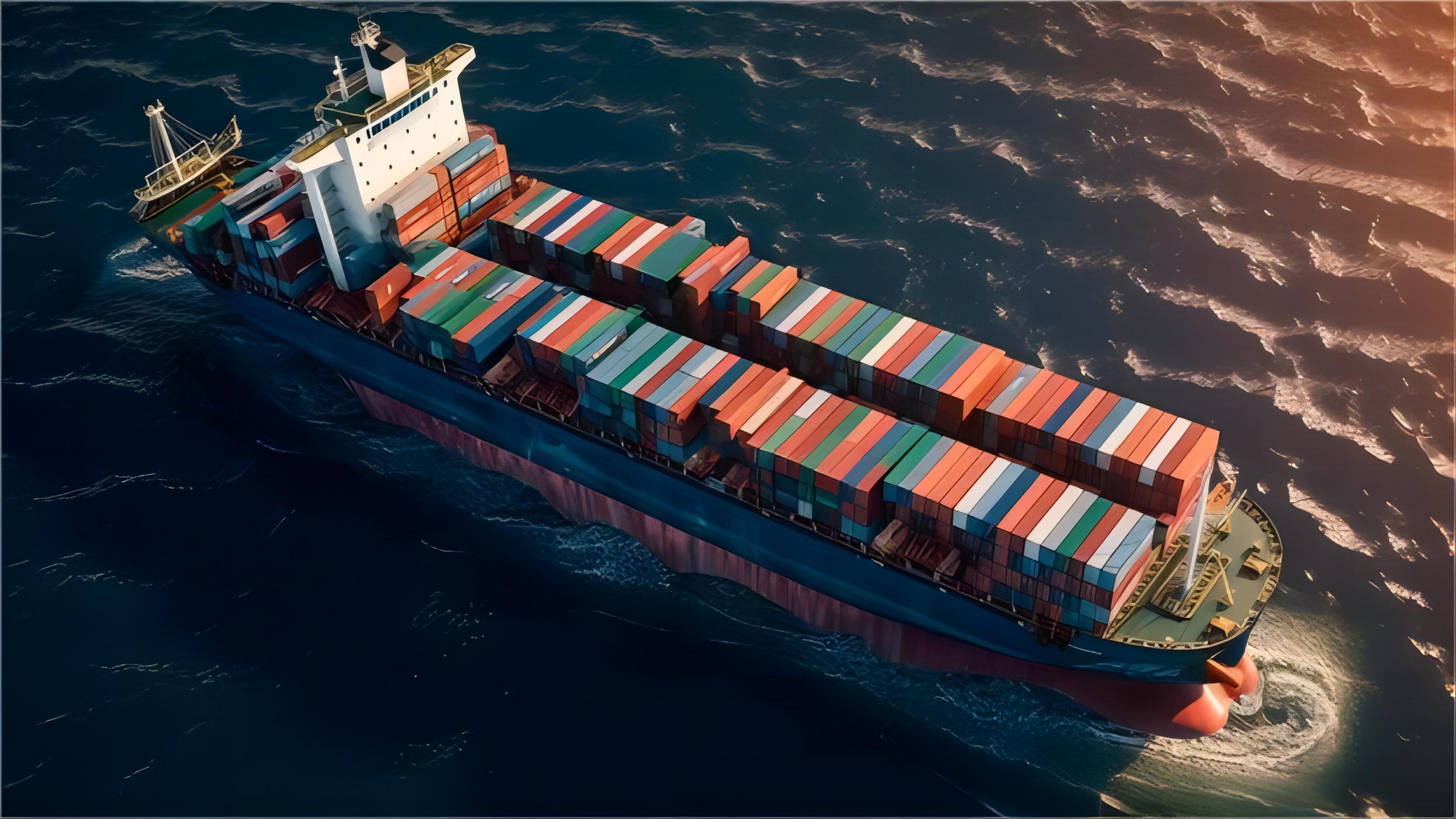
For large volumes and heavy goods, sea freight remains the most economical option. This method is ideal for businesses importing commodities, machinery, or consumer goods in bulk. Although transit times are longer, the cost savings can be significant, especially for full container load (FCL) shipments.
Additionally, less than container load (LCL) options are available for smaller shipments, allowing you to share container space and further reduce shipping costs from China to Nigeria. Sea cargo transit time China to Nigeria typically ranges from 35 to 50 days.
Air Freight: For Speed and Urgency
When time is of the essence, air freight provides the fastest delivery solution. This method is perfect for high-value goods, perishable items, or urgent replenishment of stock. While more expensive than sea freight, it drastically cuts down on transit times.
Air cargo rates China to Nigeria are calculated per kilogram, making it suitable for lighter, smaller shipments where speed is prioritized. Delivery schedules are often more reliable due to less susceptibility to port congestion or weather delays.
Express Service: Fastest for Small Parcels
For very small packages or documents requiring rapid door-to-door delivery, express service is unparalleled. Major international couriers offer expedited services with end-to-end tracking. This option is generally the most expensive per kilogram but offers unmatched speed and convenience.
Consequently, it’s often used for samples, prototypes, or urgent spare parts, ensuring express delivery China to Nigeria within a few days. This service is highly valuable for small business shipping China Nigeria needs.
Understanding Transit Times and Costs for China-Nigeria Shipments
❖Several factors influence both the transit time and overall shipping costs from China to Nigeria. These include the chosen shipping method, the origin and destination ports, cargo volume, and current logistics trends. Therefore, a clear understanding of these elements helps in effective planning.
For instance, direct routes typically offer faster transit but might incur higher freight rates. Conversely, transshipment routes, while potentially longer, can sometimes offer more competitive pricing. Always consider total landed cost rather than just freight charges.
Factors Influencing Cost and Time
The volume and weight of your cargo significantly impact cost, with FCL being more economical per unit for larger quantities. Seasonal demand, fuel surcharges, and port congestion can also cause fluctuations in freight rates. For example, rates often increase during peak seasons like Chinese New Year or Q4.
Moreover, the specific port of loading in China (e.g., Shanghai, Ningbo, Shenzhen) and the port of discharge in Nigeria (e.g., Lagos Apapa, Tin Can Island) affect both time and cost. Efficient cargo handling at both ends reduces delays and associated demurrage charges.

Navigating Customs Clearance and Documentation in Nigeria
❖Effective customs clearance Nigeria imports is a critical step in the shipping process. Non-compliance can lead to significant delays, penalties, and even confiscation of goods. Therefore, meticulous preparation of all required documentation is essential for a smooth import experience.
A knowledgeable customs brokerage service is invaluable here. They can guide you through the specific requirements, ensuring all duties and tariffs are correctly calculated and paid. Understanding import duties China Nigeria is key to avoiding unexpected costs.
| Document | Purpose | Issuing Party | Notes |
|---|---|---|---|
| Commercial Invoice | Details of goods, value, seller/buyer | Exporter | Used for customs valuation |
| Packing List | Itemized list of contents, weights, dimensions | Exporter | Aids cargo inspection |
| Bill of Lading/Air Waybill | Contract of carriage, title to goods | Carrier/Forwarder | Proof of shipment |
| Certificate of Origin | Confirms country of manufacture | Chamber of Commerce | May affect tariffs |
| Form M | Mandatory import declaration | Nigerian Importer | Pre-shipment requirement |
| SONCAP Certificate | Product conformity for regulated goods | Accredited Agency | Ensures product quality/safety |
Essential Documents for Nigerian Imports
To successfully clear customs, you will need a range of documents. These typically include the Bill of Lading (for sea freight) or Air Waybill (for air freight), commercial invoice, packing list, and Certificate of Origin. Furthermore, specific goods may require additional permits or licenses, depending on Nigerian regulations.
Ensure all documents are accurate and consistent to prevent any discrepancies that could trigger customs scrutiny. Your freight forwarder will assist in compiling and submitting these documents efficiently.
How Does Sea Freight Compare to Other Shipping Options?
❖While sea freight is often the default choice for its cost-effectiveness, it is important to objectively analyze its alternatives. The best freight forwarder China to Nigeria understands that different scenarios demand different solutions. Therefore, comparing sea freight with air freight and express services reveals distinct trade-offs.
For instance, a 40HQ container via sea freight from China to Lagos might cost between $4,500 and $6,000, arriving in 40-50 days. Conversely, shipping the equivalent volume by air would be prohibitively expensive, potentially $20,000-$35,000, but would arrive in 7-10 days. These cost-speed dynamics are critical in supply chain solutions China Nigeria.
| Shipping Method | Cost Range (Avg.) | Transit Time (Avg.) | Best For | Limitations |
|---|---|---|---|---|
| Sea Freight (FCL 40HQ) | $4,500 – $6,000 | 40-50 days | Large, heavy, non-urgent goods | Long transit, port congestion risk |
| Sea Freight (LCL per CBM) | $90 – $140/CBM | 40-55 days | Smaller volumes, cost-sensitive, general cargo | Longer transit, potential for multiple handling |
| Air Freight (per kg) | $7 – $12/kg | 5-10 days | High-value, time-critical, smaller shipments | High cost, strict weight/size limits |
| Express Service (per kg) | $12 – $20/kg | 3-7 days | Documents, samples, very urgent small parcels | Highest cost, very limited cargo size |
Alternative Approaches and Hybrid Solutions
For shipments under 15 CBM, LCL sea freight at $90-140/CBM is significantly more economical than a full container, though transit time remains similar. However, if urgency for a portion of the goods is high, a hybrid sea-air solution could be considered, where bulk travels by sea and a smaller, critical component by air.
Cost-saving strategies also include consolidating multiple smaller orders into one larger shipment. This optimization reduces per-unit costs. Direct routes cost 10-15% more but save 5-7 days compared to transshipment via intermediate ports, offering a balance between speed and budget.
Which Shipping Option Should You Choose? A Decision Framework
❖Deciding on the optimal shipping method requires evaluating your priorities and cargo specifics. There is no one-size-fits-all solution for importing from China to Nigeria. Instead, a strategic approach considers several key factors.
Moreover, your chosen freight forwarder can provide tailored advice based on their extensive experience with the trade routes and logistics trends.
Budget Priority
If minimizing costs is your primary concern, sea freight (especially LCL for smaller volumes or FCL for large quantities) is the recommended option. It offers the lowest per-unit cost, making it ideal for bulk goods where time is not critical.
Speed Priority
When goods are urgently needed, air freight is the clear winner, delivering within days rather than weeks. For extremely small, time-sensitive items like samples, express service offers unparalleled speed, albeit at a premium price.
Cargo Type Considerations
Perishable goods, high-value electronics, or fashion items with short shelf lives often benefit from air or express shipping. Conversely, durable goods, raw materials, or machinery are well-suited for the robustness and capacity of sea freight. Always consider cargo insurance regardless of the method.
Volume Thresholds for Switching Methods
For shipments below 2 CBM, express or air freight might be competitive with LCL sea freight on a landed cost basis due to minimal local handling fees. Between 2-15 CBM, LCL sea freight is generally most efficient. Above 15 CBM, an FCL sea container becomes the most cost-effective solution for container shipping China to Nigeria.
Real-World Shipping Scenarios: Case Studies
❖Understanding how different shipping methods perform in real-world situations provides practical insights. These case studies illustrate the decisions and outcomes involved in shipping various types of cargo from China to Nigeria. Based on Q3 2024 market rates, these examples highlight common challenges and effective solutions.
Freight rates are subject to change based on fuel costs, carrier capacity, and seasonal demand. Contact us for a current quote tailored to your specific shipment.
Case Study 1: Small Business Importing Consumer Goods
| Detail | Value |
|---|---|
| Route | Guangzhou, China -> Lagos, Nigeria |
| Cargo | Assorted consumer electronics (headphones, smartwatches), 8 CBM, 1500 kg |
| Container | LCL 8 CBM |
| Shipping Details | |
| Carrier/Service | Major LCL consolidator |
| Port of Loading | Guangzhou |
| Port of Discharge | Lagos (Apapa) |
| Route Type | Transshipment via Singapore |
| Cost Breakdown | |
| Ocean Freight | $1,120 (8 CBM @ $140/CBM) |
| Origin Charges (THC, documentation) | $250 |
| Destination Charges (Lagos THC, handling) | $480 |
| Customs & Duties (estimated) | $750 |
| Total Landed Cost | $2,600 |
| Timeline | |
| Booking to Loading | 5 days |
| Sea Transit | 42 days |
| Customs Clearance | 7 days |
| Total Door-to-Door | 54 days |
| Key Insight | LCL was cost-effective for this small business import. However, the transshipment added a week to the transit time. Pre-clearance for customs was crucial. |

Case Study 2: Machinery Import for Manufacturing
| Detail | Value |
|---|---|
| Route | Shanghai, China -> Lagos, Nigeria |
| Cargo | Industrial textile machinery, 58 CBM, 12,000 kg |
| Container | 1 x 40HQ |
| Shipping Details | |
| Carrier/Service | COSCO |
| Port of Loading | Shanghai |
| Port of Discharge | Lagos (Tin Can Island) |
| Route Type | Direct |
| Cost Breakdown | |
| Ocean Freight | $5,500 |
| Origin Charges (THC, documentation) | $320 |
| Destination Charges (Lagos THC, handling) | $650 |
| Customs & Duties (estimated) | $3,200 |
| Total Landed Cost | $9,670 |
| Timeline | |
| Booking to Loading | 7 days |
| Sea Transit | 38 days |
| Customs Clearance | 6 days |
| Total Door-to-Door | 51 days |
| Key Insight | FCL provided the best value for this large, heavy shipment. Direct route minimized transit time, but port congestion at Tin Can Island caused a slight delay in discharge. |
Case Study 3: Urgent Electronics Delivery
| Detail | Value |
|---|---|
| Route | Shenzhen, China -> Lagos, Nigeria |
| Cargo | High-value electronic components, 0.5 CBM, 150 kg |
| Container | Air Cargo |
| Shipping Details | |
| Carrier/Service | Qatar Airways Cargo |
| Port of Loading | Shenzhen (SZX) |
| Port of Discharge | Lagos (LOS) |
| Route Type | Direct Flight |
| Cost Breakdown | |
| Air Freight | $1,350 (150 kg @ $9/kg) |
| Origin Charges (handling, documentation) | $180 |
| Destination Charges (handling, storage) | $250 |
| Customs & Duties (estimated) | $420 |
| Total Landed Cost | $2,200 |
| Timeline | |
| Booking to Loading | 2 days |
| Air Transit | 3 days |
| Customs Clearance | 2 days |
| Total Door-to-Door | 7 days |
| Key Insight | Air freight was essential for the urgency of these components, enabling rapid replenishment. Despite higher cost, the quick delivery schedule was critical for production continuity. |
Essential Considerations for a Smooth Shipping Experience
❖Beyond choosing a shipping method and understanding customs, several other factors contribute to a seamless import process. These considerations help in managing expectations and preventing unforeseen complications. Therefore, proactive planning in these areas is highly beneficial.
Reliable logistics partner China Nigeria means considering their network, communication, and supplementary services.
Cargo Insurance
Protecting your goods against loss or damage during transit is paramount. While carriers offer limited liability, cargo insurance provides comprehensive coverage. This small investment can save significant financial losses in the event of an incident, offering crucial peace of mind.
Discuss insurance options with your freight forwarder to ensure adequate protection for your specific cargo and its value.
Proper Packaging and Labeling
Appropriate packaging safeguards your goods from physical damage, moisture, and theft. Robust packing, suitable for international transit, is non-negotiable. Clearly labeled packages also facilitate efficient handling and reduce the risk of misdirection.
Adhering to international shipping standards for packaging and labeling is a simple yet effective way to prevent common shipping problems.
Effective Communication and Tracking
Maintaining clear communication with your freight forwarder is vital throughout the shipping process. Regular updates on your shipment’s status, coupled with reliable tracking systems, ensure you are always informed. This transparency helps in managing your inventory and delivery schedule effectively.
A proactive freight forwarder will keep you updated on any potential delays or changes, allowing you to react promptly.
Choosing the Right Freight Partner: What to Look For
❖Selecting the best freight forwarder China to Nigeria is a critical business decision. A reputable partner offers more than just transportation; they provide comprehensive logistics support. Therefore, evaluating potential partners on several key criteria is essential for long-term success.
Look for a company with a proven track record, extensive experience on the China-Nigeria route, and a robust network of agents and carriers.
Experience and Expertise
An experienced freight forwarder understands the nuances of trade between China and Nigeria, including specific customs regulations and logistical challenges. Their expertise minimizes risks and ensures compliance, preventing costly errors. This knowledge is invaluable for seamless operations.
They should be proficient in handling various cargo types and navigating complex documentation requirements.
Comprehensive Service Offerings
A good freight forwarder offers a full suite of services beyond basic transportation. This includes warehousing, cargo consolidation, customs brokerage, and door-to-door shipping. Such integrated services simplify your supply chain and reduce the need for multiple vendors.
They should be able to provide tailored solutions for your specific import needs, from FCL LCL shipping China Nigeria to specialized cargo handling.
Transparency and Communication
Transparency in pricing and consistent communication are hallmarks of a reliable freight partner. They should provide clear quotes with no hidden fees and keep you informed at every stage of your shipment. This fosters trust and builds a strong working relationship.
A dedicated account manager and accessible customer support are also indicators of excellent service.
Conclusion: Partnering for Success in China-Nigeria Trade
Successfully importing goods requires navigating a complex global logistics landscape. Choosing the right shipping method and, more importantly, a competent freight forwarder from China to Nigeria, are paramount. This ensures your cargo arrives safely, on time, and within budget.
By understanding the various shipping options, customs procedures, and critical considerations, businesses can make informed decisions. A reliable logistics partner will be instrumental in achieving your import goals, providing the expertise and support needed for a thriving trade relationship between China and Nigeria.
Ready to streamline your logistics?
Ready to streamline your imports from China to Nigeria? Partner with an expert freight forwarder to ensure efficiency, reliability, and peace of mind. Contact us today for a personalized quote and discover how we can optimize your supply chain.
Request Quote