

Freight Forwarder from China to Pakistan: Your Ultimate Shipping Guide
Navigating the complexities of international shipping requires expertise, especially when seeking a freight forwarder from China to Pakistan. Businesses often face challenges like customs regulations, transit times, and cost management. This comprehensive guide provides insights and solutions to ensure your cargo reaches its destination efficiently and securely.
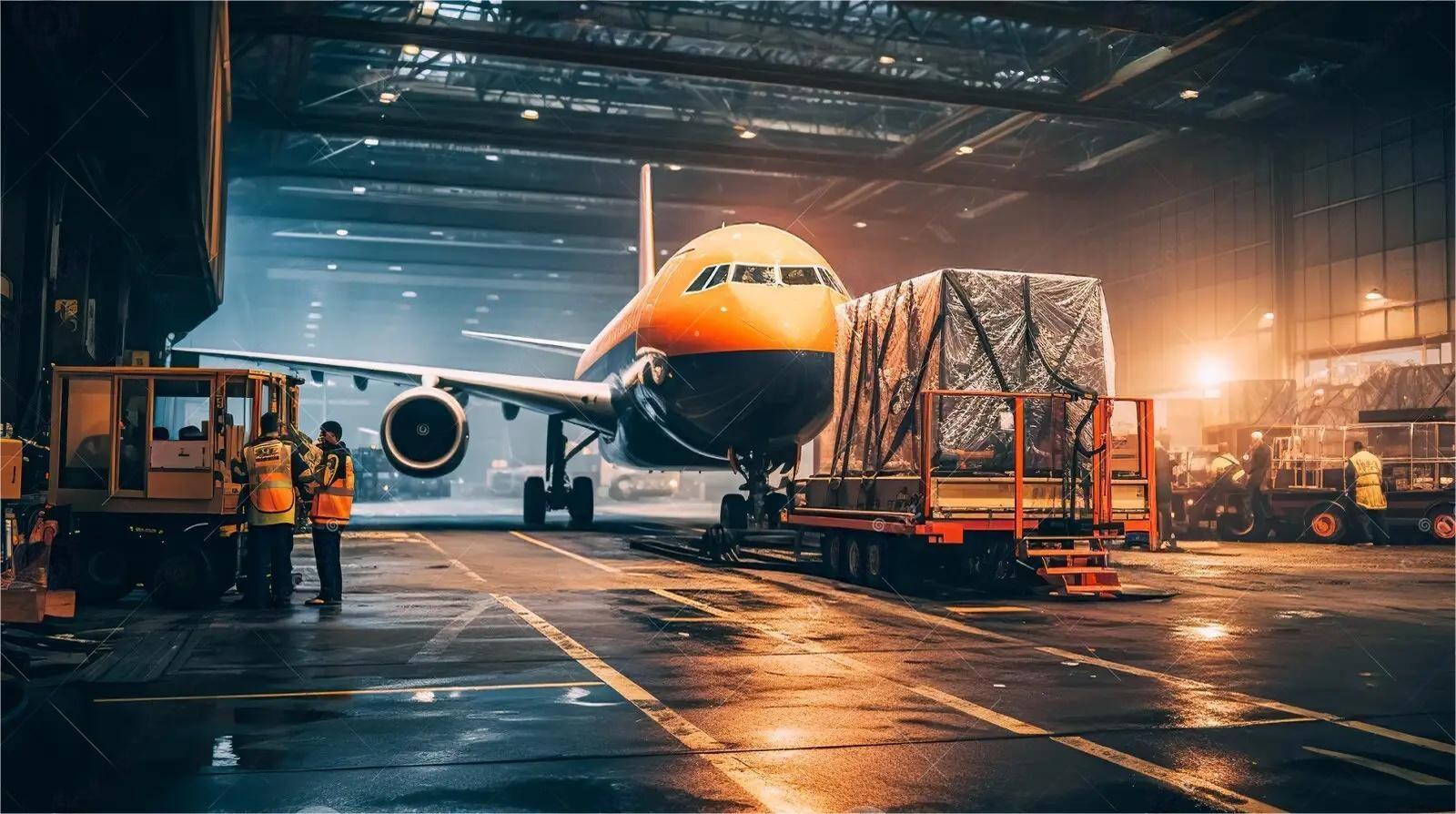
Navigating Freight Forwarding from China to Pakistan
Shipping goods from China to Pakistan involves an intricate network of logistics. Consequently, understanding the various processes and regulations is crucial for successful import and export operations. A reliable freight forwarder acts as your essential partner.
Moreover, the journey across continents demands meticulous planning and execution. Therefore, choosing the right logistics provider can significantly impact your supply chain efficiency and overall business costs. This guide aims to simplify that decision.
Why Choose a Specialized Freight Forwarder for the China-Pakistan Route?
Partnering with an experienced freight forwarder offers numerous advantages. Specifically, they possess in-depth knowledge of both Chinese export and Pakistani import customs brokerage procedures. This expertise minimizes delays and ensures compliance.
Furthermore, a specialized forwarder has established networks with carriers, ports, and local authorities. Indeed, this robust infrastructure allows for smoother cargo handling and better problem resolution. They navigate complex regulatory landscapes on your behalf, ensuring seamless transit.
Ultimately, such a partnership translates into reduced risks and optimized transit times. Consequently, you can focus on your core business operations while your logistics are expertly managed. It is an investment in efficiency and peace of mind.
Key Shipping Methods from China to Pakistan
Importers primarily utilize two main shipping methods for cargo from China to Pakistan: sea freight and air freight. Each method offers distinct advantages depending on your specific needs. Understanding these differences is paramount for strategic planning.
Consider sea freight for large volumes and less time-sensitive shipments. Conversely, air freight is ideal for urgent, high-value, or smaller consignments. The choice impacts both cost and delivery schedule.
| Shipping Method | Cost Range | Transit Time | Best For |
|---|---|---|---|
| Sea Freight (FCL/LCL) | Low to Medium | 18-30 days | Bulky, heavy, non-urgent goods |
| Air Freight | Medium to High | 3-7 days | Urgent, high-value, perishable goods |

Understanding Shipping Costs and Factors Affecting Freight Rates
Several elements contribute to the total shipping costs from China to Pakistan. These include the chosen shipping method, cargo volume and weight, and the origin and destination ports. Fuel surcharges also play a significant role.
Moreover, market demand, seasonal fluctuations, and global logistics trends can heavily influence freight rates. For instance, peak seasons like before Chinese New Year often see higher prices and reduced availability. It is wise to book in advance during these periods.
Additional costs may encompass terminal handling charges, documentation fees, insurance, and customs duties. Therefore, a detailed quote from your freight forwarder is essential to avoid unexpected expenses. Always clarify all inclusions.
Note: Freight rates are subject to change based on fuel costs, carrier capacity, and seasonal demand. Contact us for a current quote tailored to your specific shipment.
Streamlining Your Supply Chain with Comprehensive Services
A comprehensive freight forwarder offers more than just transportation. They provide a suite of services designed to optimize your entire supply chain. This holistic approach ensures efficiency from origin to final delivery.
For example, services like cargo consolidation, warehousing, and quality control are often available. Furthermore, many forwarders offer door-to-door delivery, handling all aspects from pickup in China to final delivery in Pakistan. This simplifies your logistics management considerably.
Moreover, value-added services such as cargo insurance and tracking systems provide peace of mind. Without a doubt, these features enhance visibility and protect your investment throughout the transit process. It ensures transparency and accountability.
Case Studies: Real-World Shipping from China to Pakistan
To illustrate the practical application of these shipping methods, let us examine a few real-world scenarios. These case studies highlight the diverse needs and effective solutions for various cargo types. They demonstrate how different strategies yield optimal results.
Case Study 1: Large Volume Textiles via Sea
This case involved a textile importer needing to transport a large quantity of fabric rolls. Sea freight was the most economical and practical solution for this substantial shipment.
| Detail | Description |
|---|---|
| Route | Shenzhen, China -> Karachi, Pakistan |
| Cargo | Textile Fabric Rolls, 60 CBM, 15,000 kg |
| Container | 2 x 40HQ |
| Shipping Details | Carrier: COSCO, Port of Loading: Yantian, Port of Discharge: Karachi, Route Type: Direct |
| Cost Breakdown (Based on Q3 2024 market rates) | Ocean Freight: $5,800 (2x40HQ), Origin Charges: $600, Destination Charges: $500, Customs & Duties (estimated): $1,200, Total Landed Cost: $8,100 |
| Timeline | Booking to Loading: 5 days, Sea Transit: 20 days, Customs Clearance: 3 days, Total Door-to-Door: 28 days |
| Key Insight | Optimized cost per unit for high volume, ensuring competitive pricing for the textiles in the Pakistani market. |

Case Study 2: Urgent Electronics via Air Cargo
An electronics distributor required a rapid delivery of high-value components to meet a critical production deadline. Air freight was chosen for its speed and security, despite the higher cost.
| Detail | Description |
|---|---|
| Route | Shanghai, China -> Lahore, Pakistan |
| Cargo | Electronic Components, 2 CBM, 500 kg |
| Shipping Details | Carrier: Qatar Airways Cargo, Port of Loading: PVG, Port of Discharge: LHE, Route Type: Direct |
| Cost Breakdown (Typical rates as of early 2025) | Air Freight: $3,500, Origin Charges: $250, Destination Charges: $180, Customs & Duties (estimated): $700, Total Landed Cost: $4,630 |
| Timeline | Booking to Loading: 2 days, Air Transit: 3 days, Customs Clearance: 1 day, Total Door-to-Door: 6 days |
| Key Insight | Prioritized speed to prevent production downtime, justifying the premium air freight cost for critical components. |
Case Study 3: Consolidated LCL for Small Business
A small e-commerce business needed to import diverse small goods from multiple Chinese suppliers. LCL (Less than Container Load) sea freight, consolidated by the forwarder, proved most effective.
| Detail | Description |
|---|---|
| Route | Ningbo, China -> Faisalabad, Pakistan (via Karachi Port) |
| Cargo | Assorted E-commerce Goods, 5 CBM, 1,200 kg |
| Container | LCL 5 CBM |
| Shipping Details | Carrier: Maersk (LCL Consolidation), Port of Loading: Ningbo, Port of Discharge: Karachi, Route Type: Transshipment |
| Cost Breakdown (Based on Q1 2025 market rates) | Ocean Freight (LCL): $850, Origin Charges: $150, Destination Charges: $100, Inland Transport (Karachi to Faisalabad): $200, Customs & Duties (estimated): $400, Total Landed Cost: $1,700 |
| Timeline | Booking to Loading: 7 days, Sea Transit: 25 days, Customs Clearance: 4 days, Total Door-to-Door: 36 days |
| Key Insight | Cost-effective for smaller volumes from multiple vendors, allowing a growing business to manage inventory without large upfront shipping costs. |
How Does Sea Freight Compare to Air Freight for China-Pakistan Shipments?
Alternative strategies often involve hybrid solutions or optimizing container utilization. For example, combining faster air freight for critical components with slower sea freight for bulk items can balance speed and cost. This approach is increasingly popular.
Moreover, for shipments under 15 CBM, LCL sea freight is often significantly more economical than air freight. However, if speed is paramount, the higher cost of air freight is a necessary trade-off. Direct shipping routes, while sometimes costlier, can save several days compared to transshipment options.
Note: Freight rates are subject to change based on fuel costs, carrier capacity, and seasonal demand. Contact us for a current quote tailored to your specific shipment.
| Shipping Method | Cost Range | Transit Time | Best For | Limitations |
|---|---|---|---|---|
| Sea Freight (FCL) | Low ($1,500-$3,000 per 20GP) | 20-30 days | Large volumes, heavy cargo, non-urgent goods | Slower transit, port congestion risks |
| Sea Freight (LCL) | Medium-Low ($70-$120 per CBM) | 25-35 days | Smaller volumes (under 15 CBM), flexible inventory | Longer transit due to consolidation, higher risk of damage |
| Air Freight (Standard) | High ($3.5-$7.0 per kg) | 5-7 days | Urgent, high-value, perishable goods, lighter cargo | High cost, limited capacity for very large items |
| Air Freight (Express) | Very High ($8.0-$15.0 per kg) | 2-4 days | Extremely urgent, small packages, samples | Highest cost, strict weight/size limits |
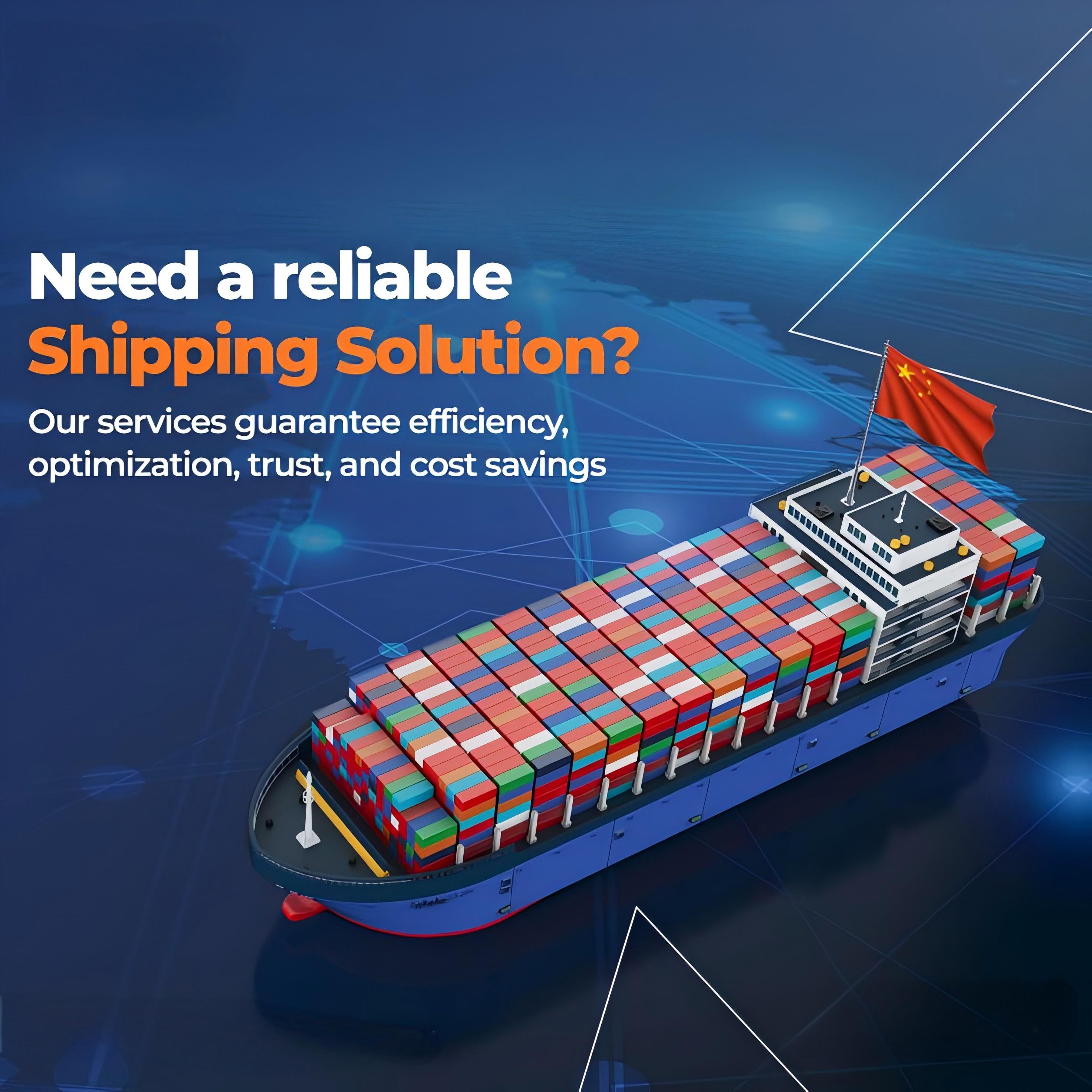
Which Shipping Option Should You Choose? A Decision Framework
Selecting the optimal shipping method involves evaluating several key factors. Your decision should align with your business priorities and the nature of your goods. Consider these criteria carefully before committing to a choice.
Budget Priority
If minimizing costs is your primary concern, sea freight, particularly LCL for smaller volumes or FCL for larger ones, is generally recommended. It offers the most economical rates per unit, especially for heavy or bulky items. This option provides the best value for money.
Speed Priority
When urgent delivery is critical, air freight is the undisputed choice. Although more expensive, it ensures rapid transit, often completing the journey in a few days. This is ideal for time-sensitive products or to avoid production delays.
Cargo Type and Volume
For very large, heavy, or non-perishable goods, FCL sea freight is typically the most efficient. Conversely, small, high-value, or fragile items often benefit from the quicker, more secure handling of air freight. Consider your cargo’s characteristics carefully.
Partnering with the Right Freight Forwarder for Your Pakistan-Bound Cargo
Choosing a reliable freight forwarder from China to Pakistan is a strategic decision. Look for providers with a proven track record, extensive experience on this specific route, and a comprehensive service offering. Their expertise is invaluable for smooth operations.
Indeed, an excellent forwarder offers transparent communication, competitive freight rates, and robust support throughout the shipping process. They act as an extension of your business, ensuring your goods arrive safely and on schedule. This partnership is key to logistics success.
China Top Freight specializes in facilitating secure and efficient shipments from China to various global destinations, including Pakistan. We leverage our extensive network and expertise to provide tailored logistics solutions. Our team is dedicated to your success.
Seamless Shipping with a Trusted Freight Forwarder from China to Pakistan
In summary, successful shipping from China to Pakistan hinges on selecting the right freight forwarder and understanding the available logistics options. By carefully considering factors like cost, speed, and cargo type, businesses can make informed decisions. This ultimately optimizes their supply chain.
Ultimately, a reliable freight forwarder from China to Pakistan offers invaluable expertise, navigating complex regulations and ensuring efficient delivery. Take the next step to enhance your shipping strategy. Reach out for tailored solutions.
Need a tailored shipping solution?
Ready to streamline your imports from China to Pakistan? Partner with an expert freight forwarder. Contact us today for a personalized quote and let us handle your logistics with precision and care, ensuring your cargo arrives safely and on time.