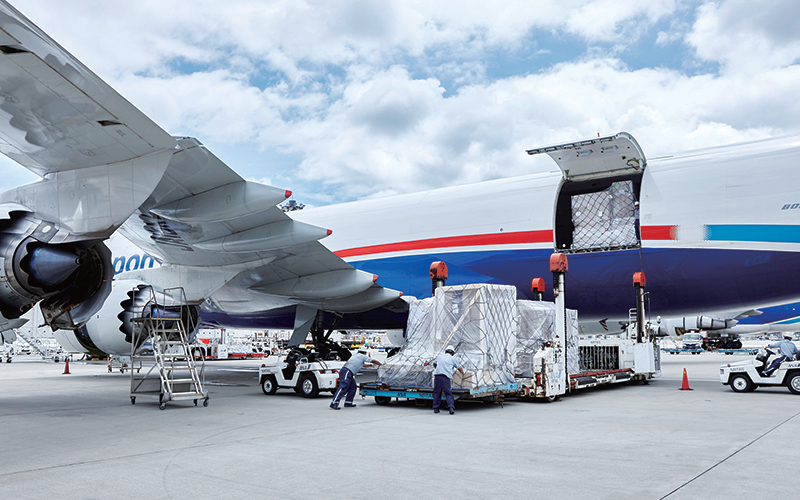
Finding the right freight forwarder in China is essential for businesses managing global supply chains. With experienced partners, you can streamline sea freight, air freight, courier shipments, and customs clearance while reducing delays and hidden costs.
A freight forwarder arranges international transportation, handles customs paperwork, and manages logistics from origin to destination. They act as intermediaries between shippers, carriers, and customs officials.
2. Why Do You Need a Freight Forwarder in China?
Expertise in complex customs regulations
Access to competitive shipping rates
Consolidation services for smaller shipments
Real-time tracking and logistics management
3. What Shipping Methods Can a Freight Forwarder Arrange?
Method
Best For
Transit Time
Pros
Cons
Air Freight
Urgent, valuable cargo
5–10 days
Fast & secure
Expensive
Sea Freight
Large or heavy shipments
25–40 days
Lowest cost per unit
Slow
Courier
Small, urgent parcels
3–7 days
Convenient, door-to-door
Costly for heavy goods
4. How Much Does Freight from China Cost?
Costs vary depending on weight, volume, and destination.
5. What Documents Are Required for Freight from China?
Document
Purpose
Commercial Invoice
Declares shipment value and contents
Packing List
Identifies goods and packaging details
Bill of Lading / AWB
Shipping contract with carrier
Customs Declarations
Required for import/export clearance
Certificates (if needed)
For food, chemicals, or medical items
6. How to Choose the Best Freight Forwarder in China?
Check years of experience in international logistics
Evaluate carrier networks and global partnerships
Review customer testimonials and case studies
Ensure transparent pricing and digital tracking options
7. How Do Customs Clearance Services Work?
Freight forwarders handle all customs filings, tariff payments, and inspections. This ensures smooth clearance without costly delays at Chinese or US ports.
8. Should You Use Air or Sea Freight from China?
Factor
Air Freight
Sea Freight
Speed
5–10 days
25–40 days
Cost
Higher per kg
Lower per container
Best For
Urgent, light cargo
Large, heavy shipments
Risk
Less risk of damage
Higher for delays
9. How Do Freight Forwarders Help Small Businesses?
Offer shared container services (LCL)
Negotiate competitive rates with carriers
Provide step-by-step guidance on customs paperwork
Reduce financial risks with insurance options
10. What Are the Latest Trends in Chinese Freight Forwarding?
Digitalization for instant quotes and booking
Increased demand for express courier via e-commerce
Stronger focus on sustainability and carbon reduction
A reliable freight forwarder in China is crucial for smooth global trade. They optimize routes, secure competitive rates, and simplify customs clearance. By partnering with the right logistics provider, businesses can save money, reduce risks, and maintain steady supply chains.